
Last updated September 22, 2026
Level 1 sweep and inspection to the NFPA 211 annual standard - flue, crown, cap, and flashing checked and photographed
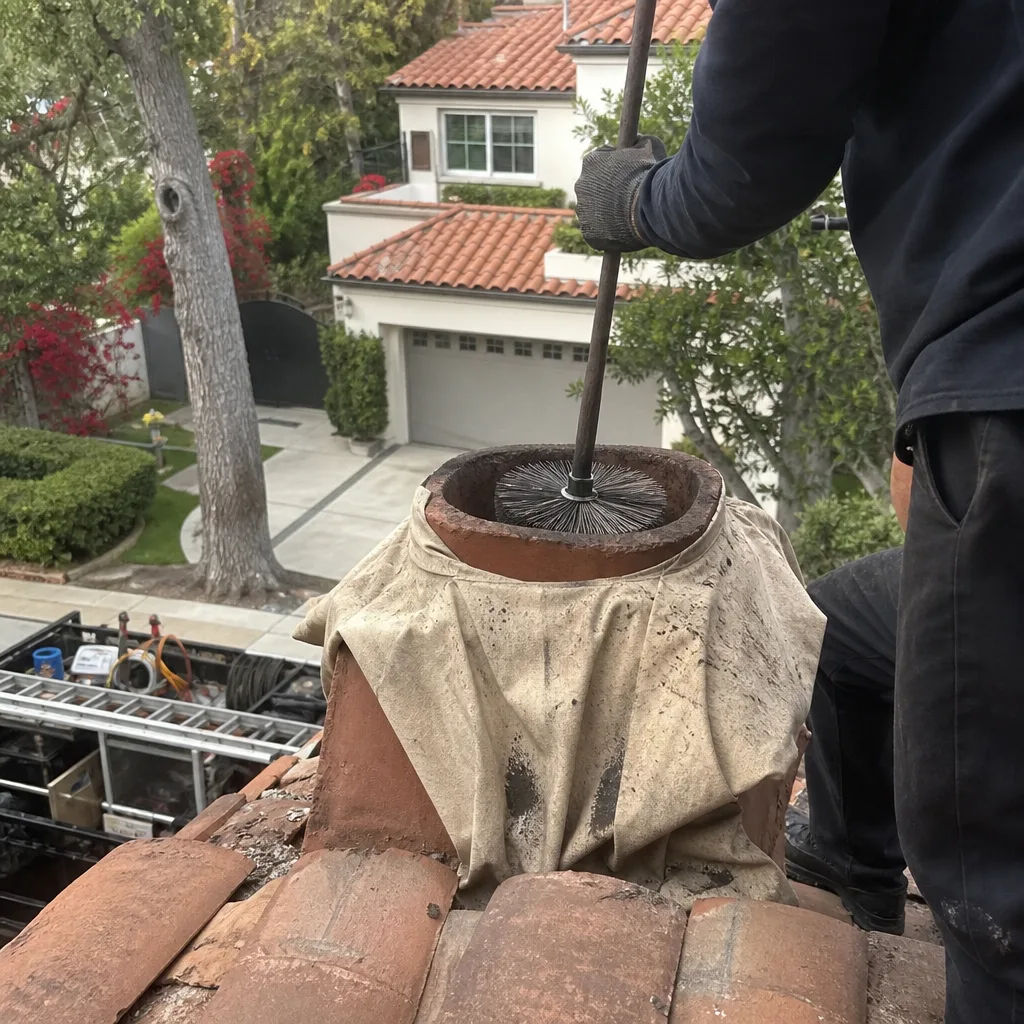
Chimney sweep logs do not sweep chimneys. They loosen some creosote - which then falls where a brush and vacuum still have to collect it.
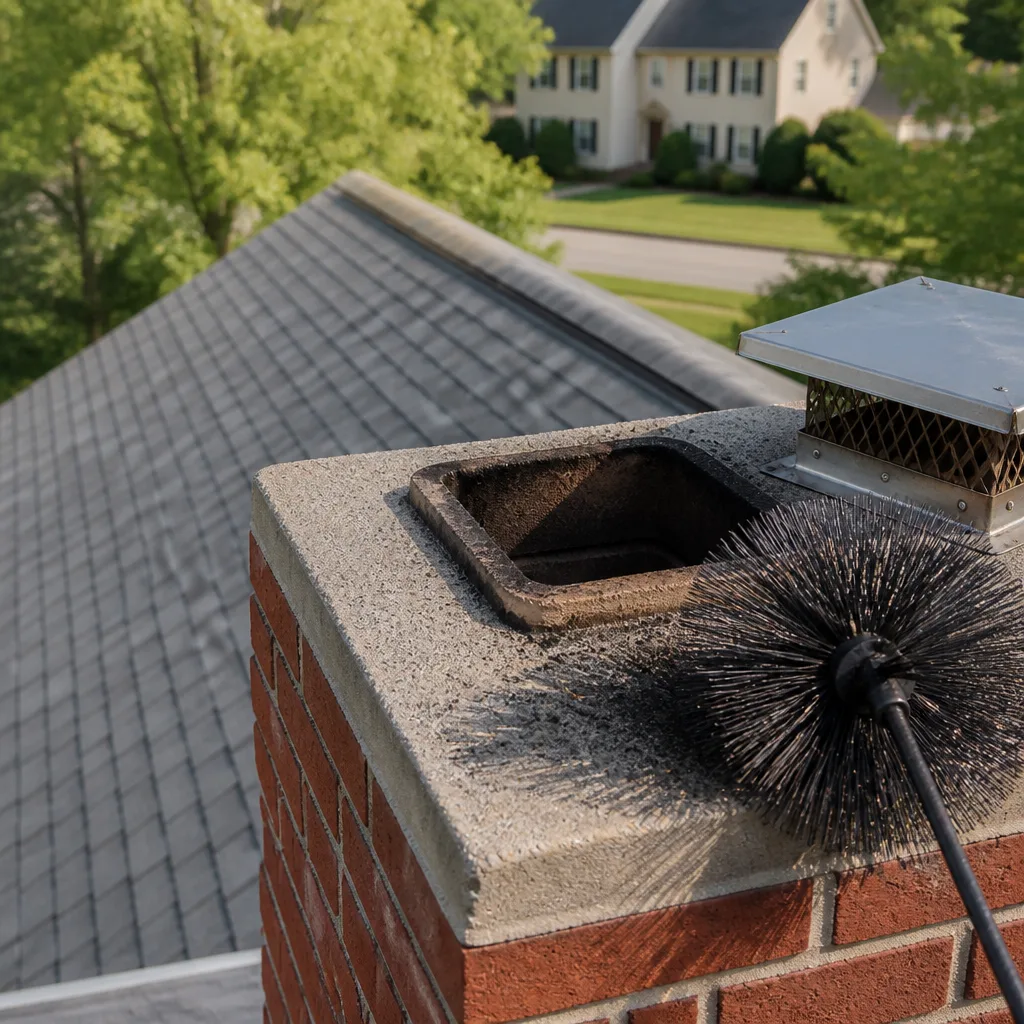
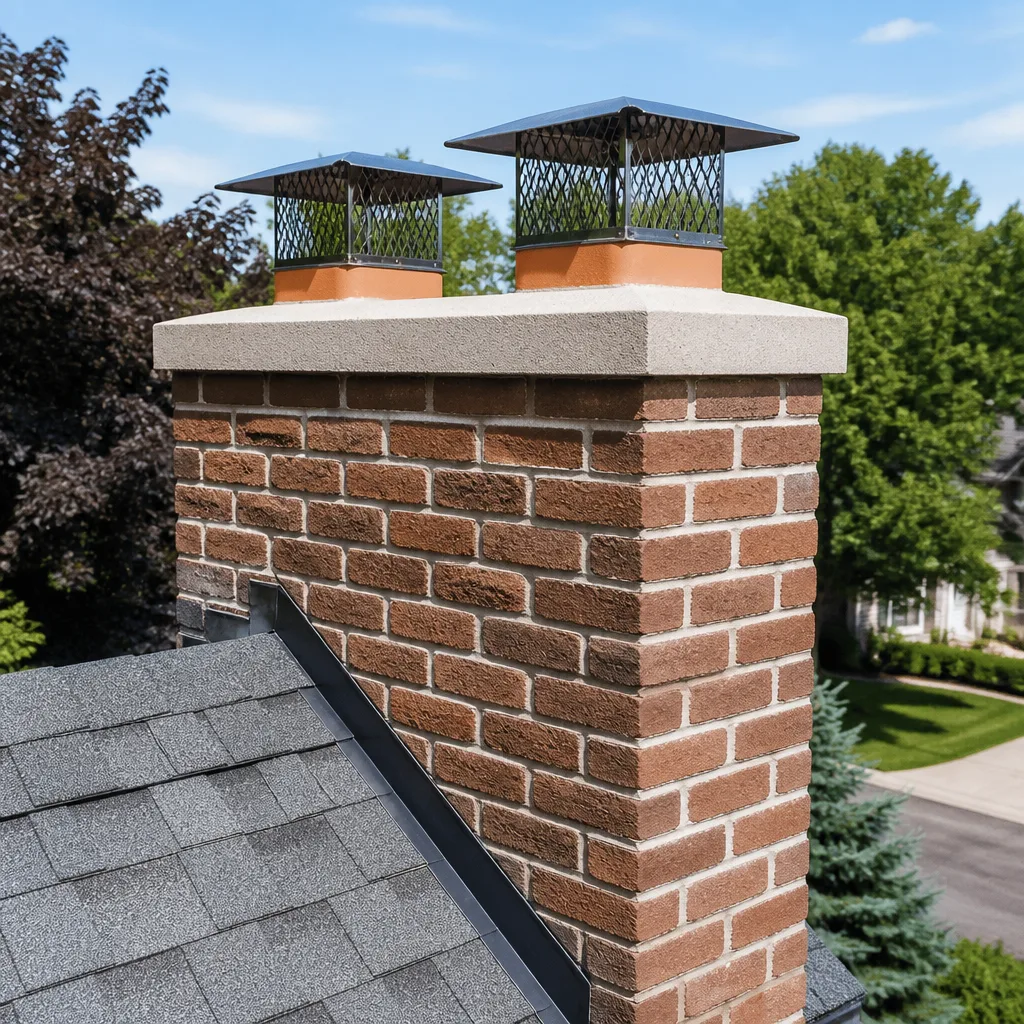
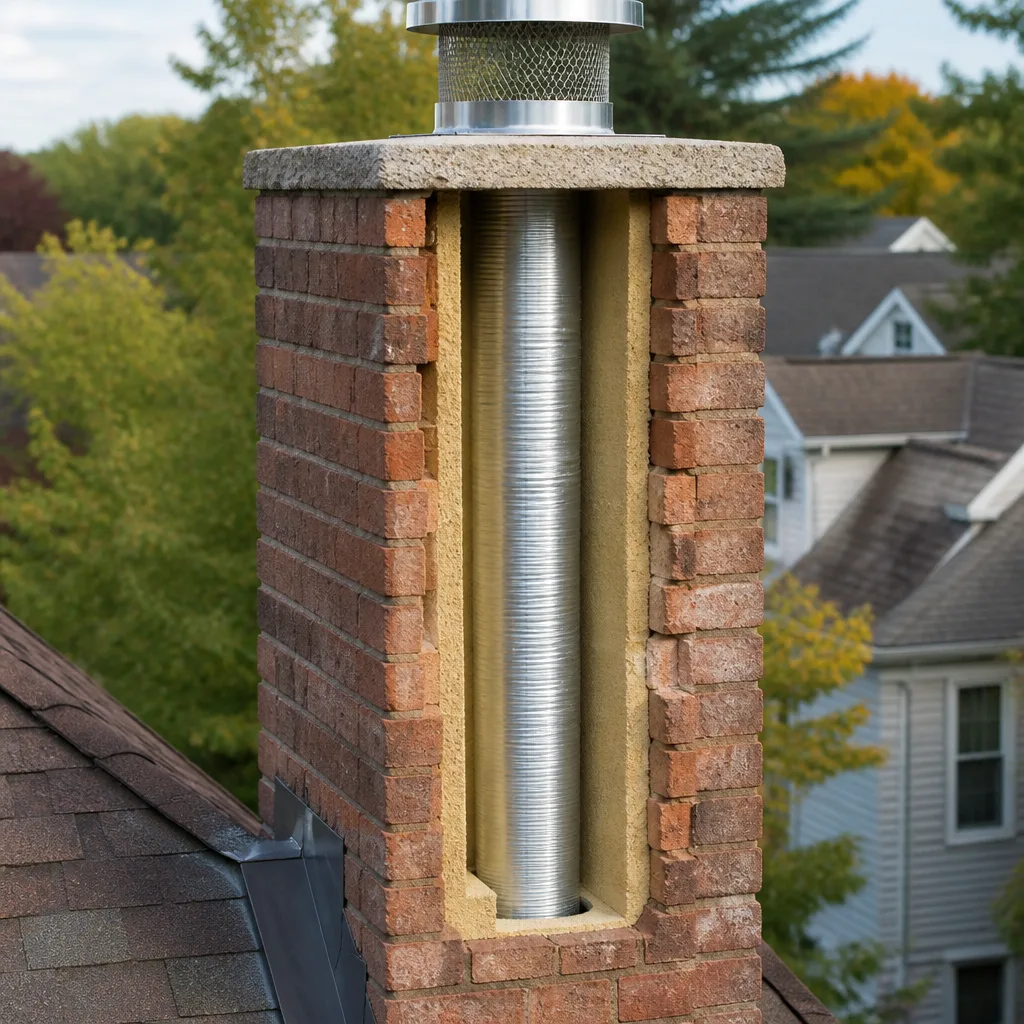
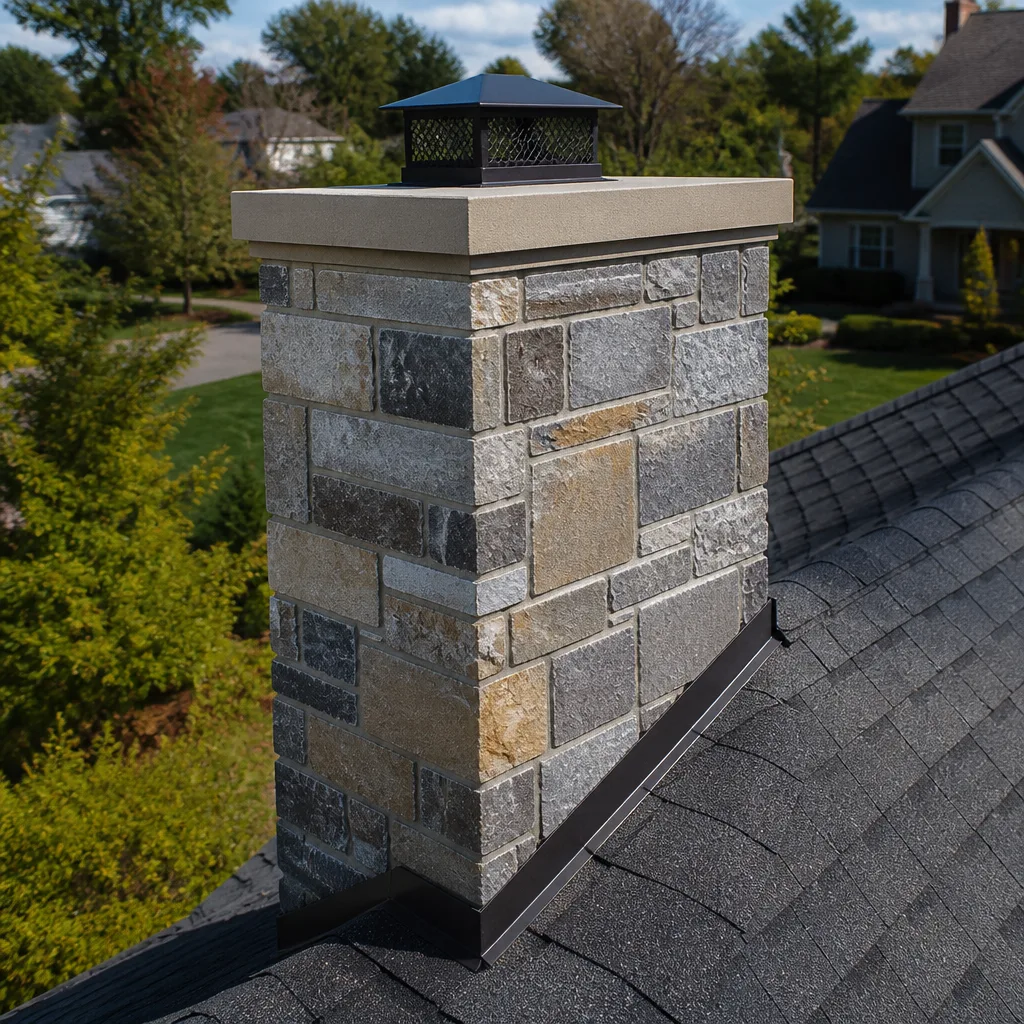
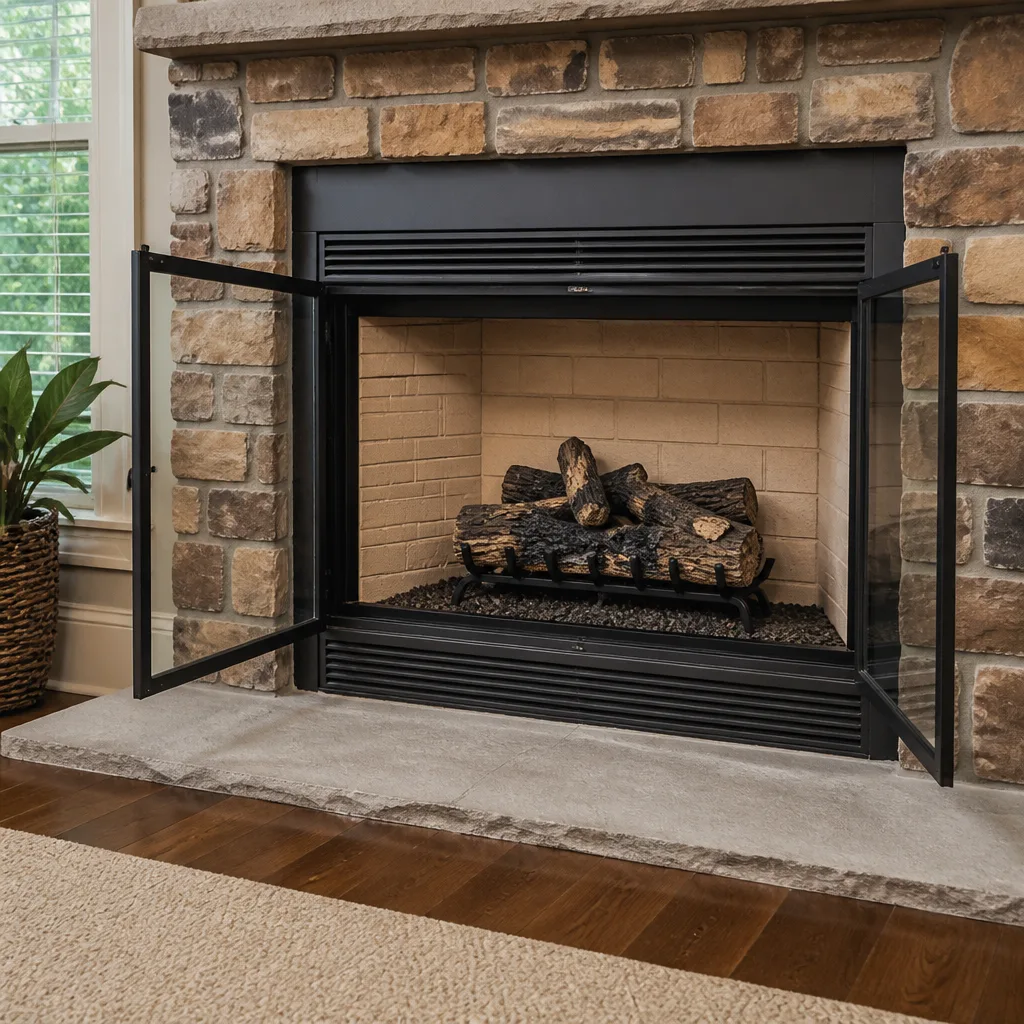
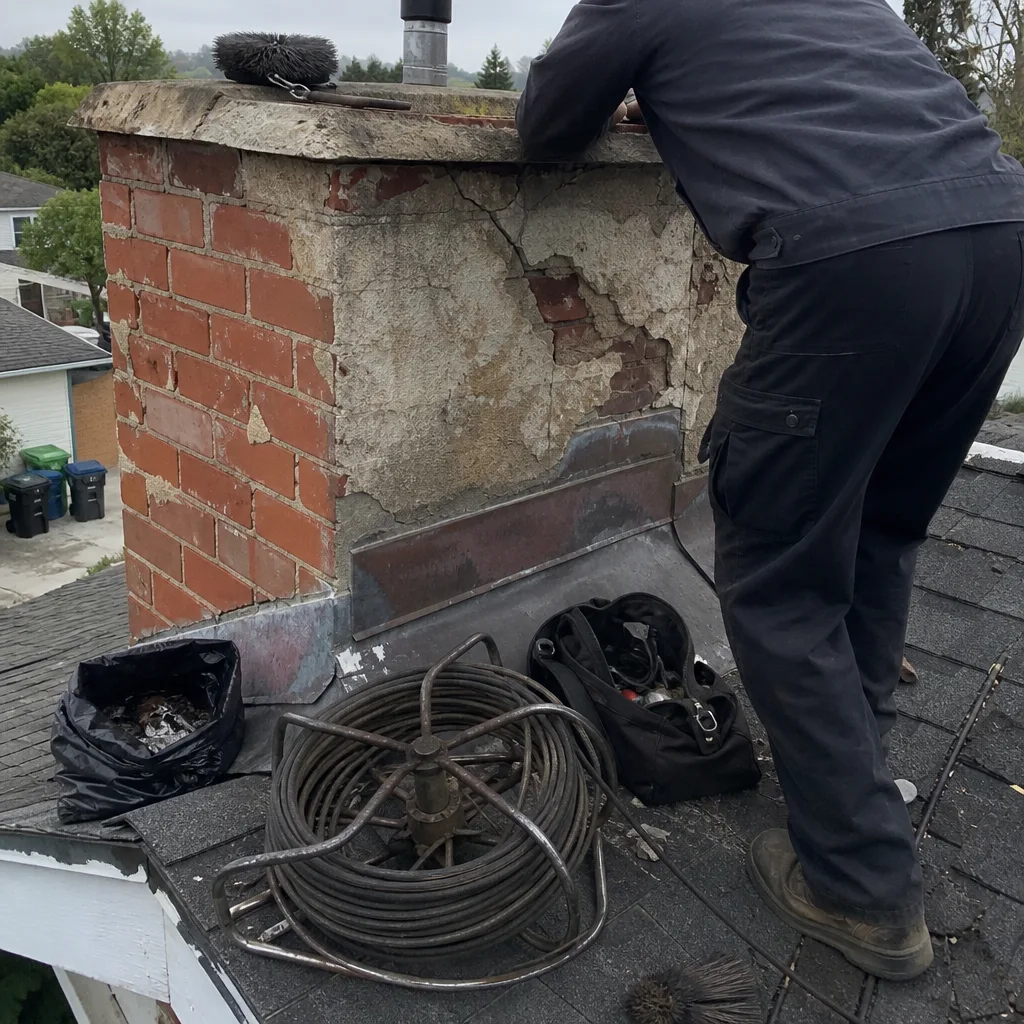 Before
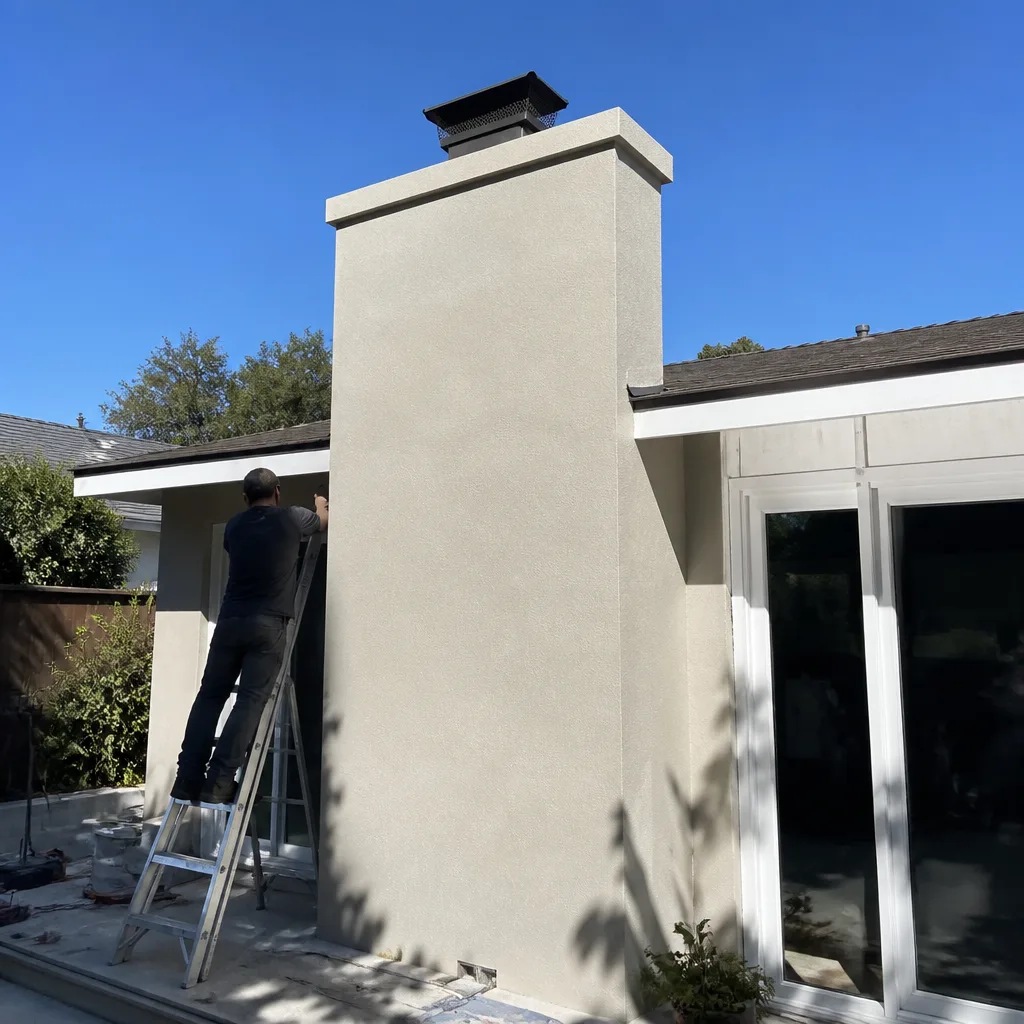 After
After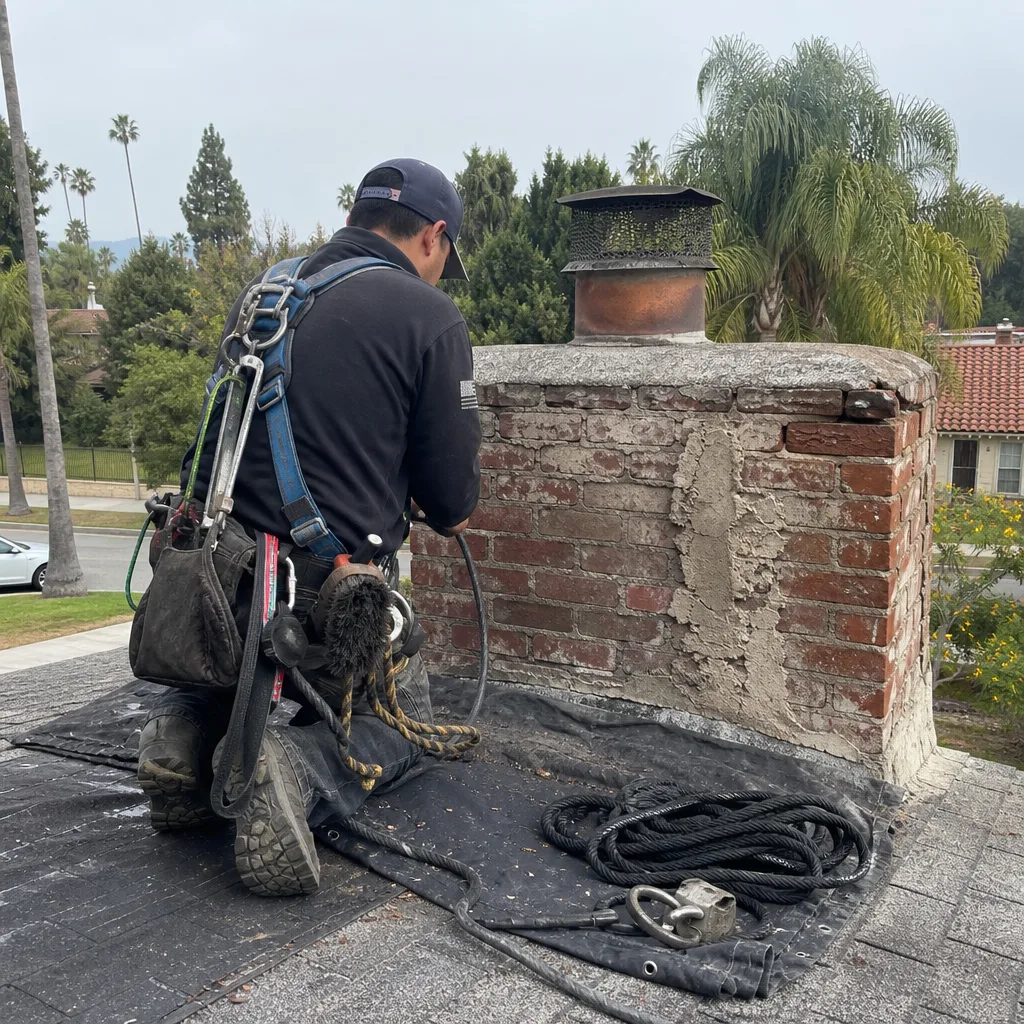 Before
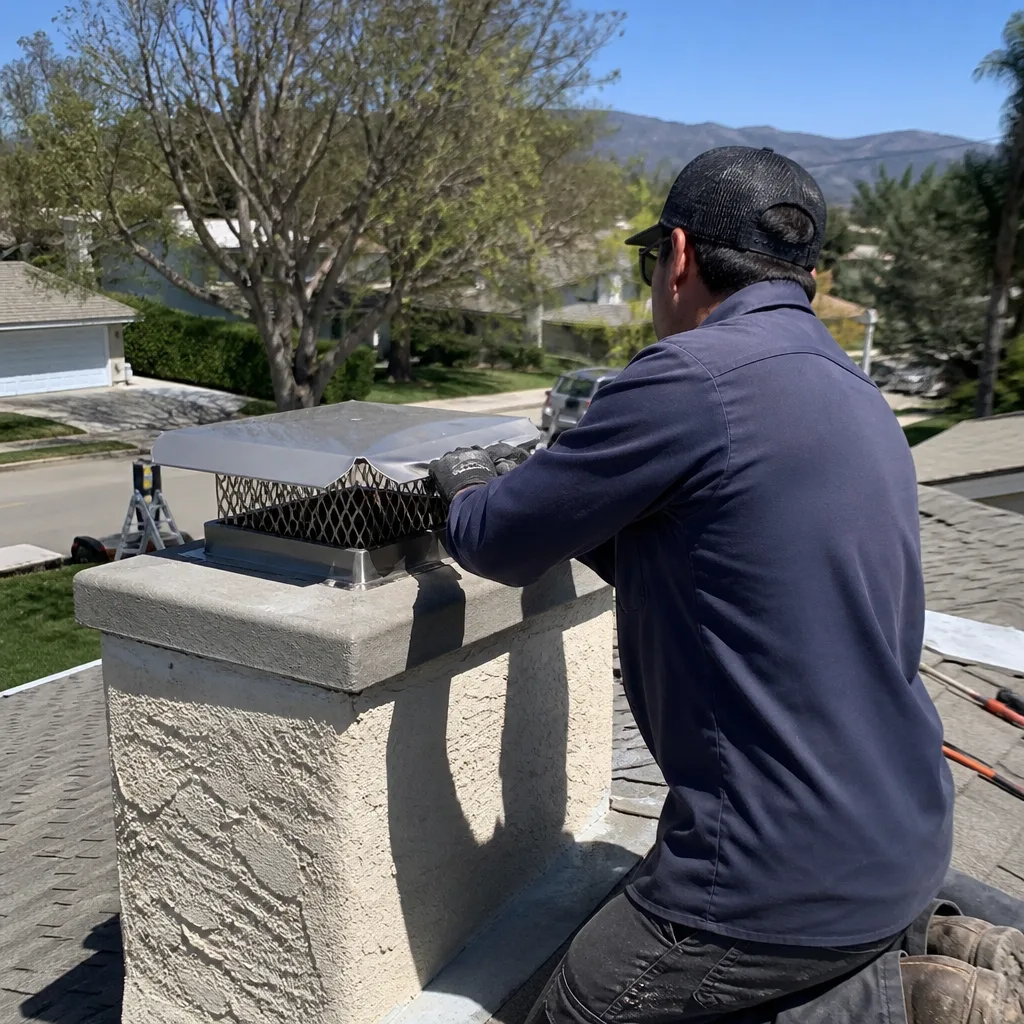 After
After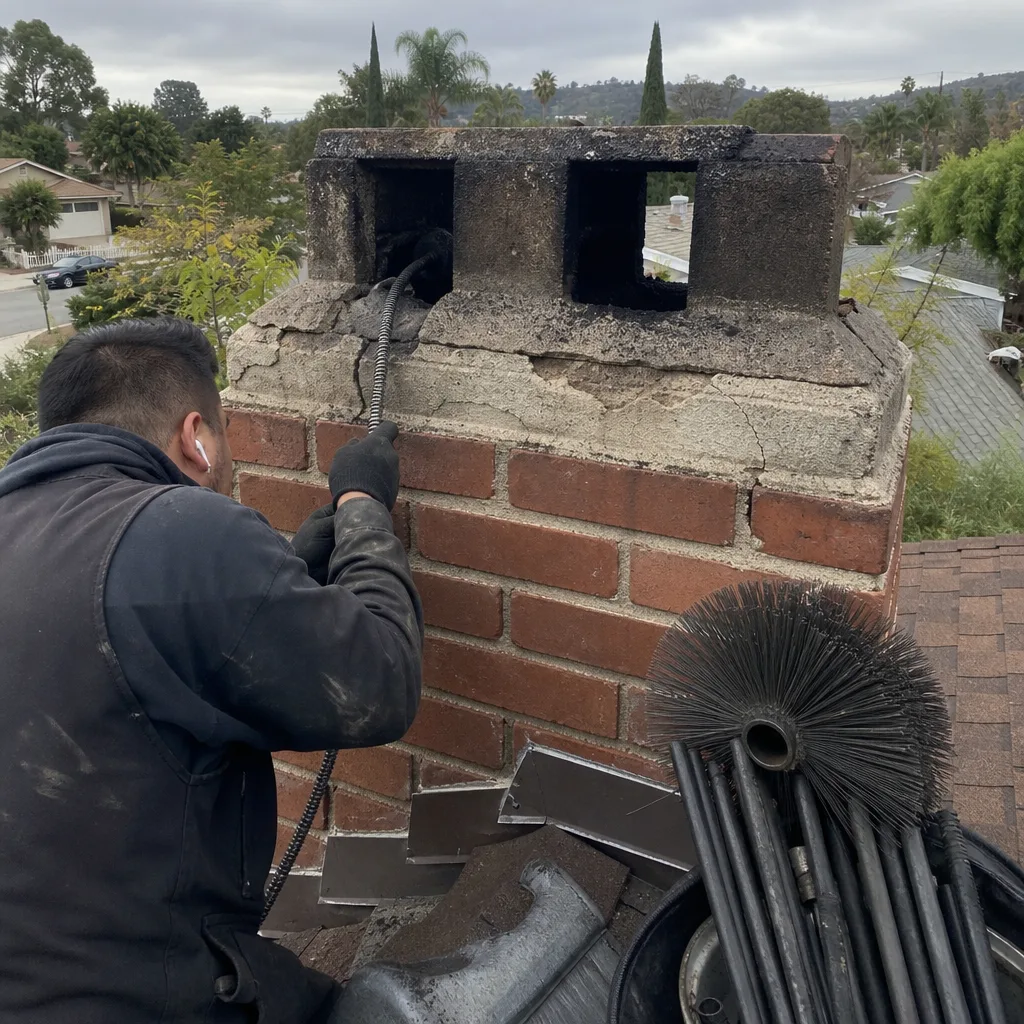 Before
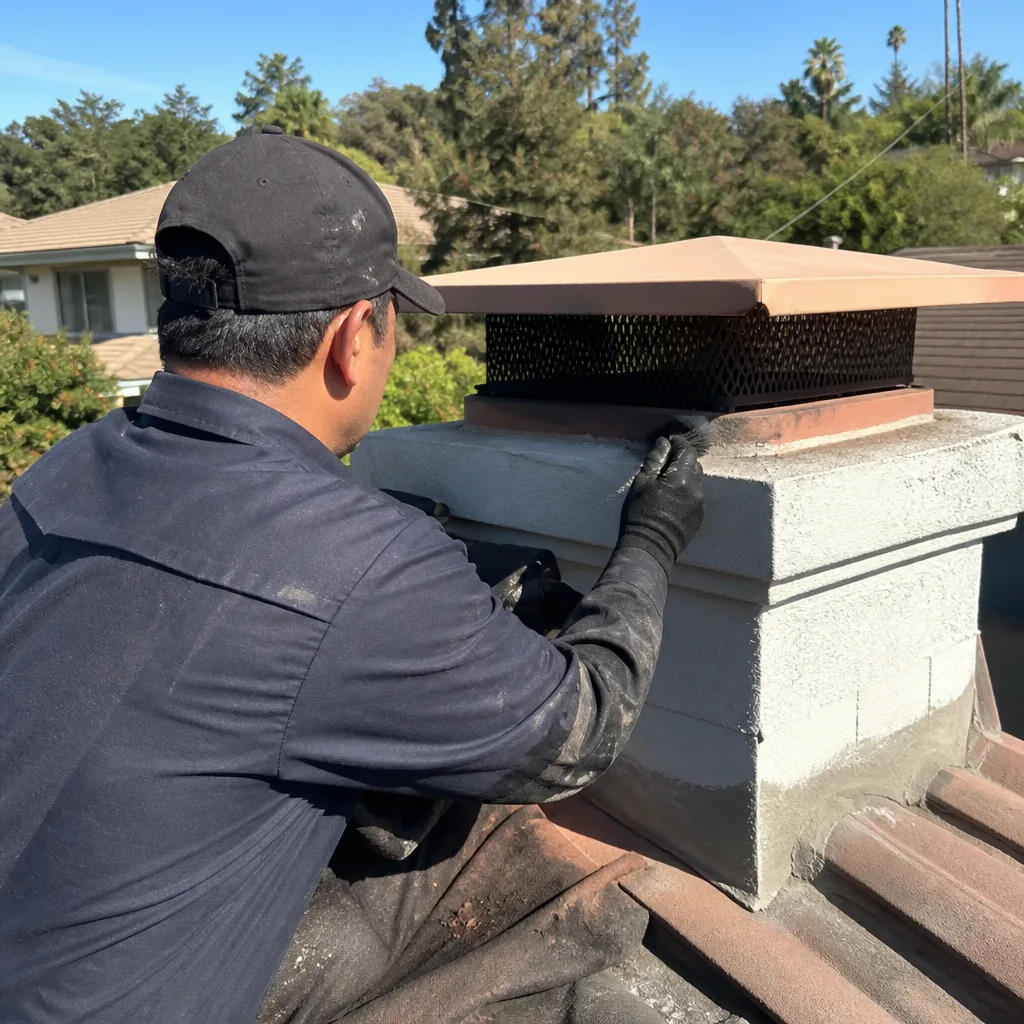 After
AfterSeasonal Chimney Cleaning Care for Pasadena: Year-Round Homeowner’s Guide
The Eaton Fire ignited in January. So did the Bobcat Fire in September 2020, and the Station Fire in August 2009. The national chimney sweep industry tells homeowners to clean before fall - but in Pasadena, that advice arrives a month too late. The Santa Ana winds peak in October and November, exactly when residents light their first fires after summer. By then, creosote from last season has hardened through the dry heat, and the fire risk is already acute. This guide rebuilds the chimney maintenance calendar around Pasadena’s actual climate pattern, not the marketing calendar written for Cleveland or Chicago. For more guides & resources tailored to Southern California homeowners, visit our blog.
Quick Answer
Pasadena homeowners should schedule chimney cleaning in August, before the Santa Ana wind season and first-fire temptation converge. A second maintenance window opens in January for post-fire-season inspections that document wear the burning season caused. Spring and summer tasks focus on debris removal, spark arrester checks, and moisture sealing - not sweeping.
Table of Contents
- Why August, Not September, Is Pasadena’s Correct Cleaning Month
- What a January Post-Fire-Season Inspection Actually Covers
- Spring Tasks: Pepper Trees, Jacarandas, and the March-May Shedding Window
- Summer Work That Isn’t Cleaning: Spark Arresters and Damper Seals
- The Pasadena Chimney Calendar: Month by Month
- What Pasadena Chimney Cleaning Costs by Season
- Common Mistakes to Avoid
- When to Call a Professional
- Frequently Asked Questions
BeforeAfterWhy August, Not September, Is Pasadena’s Correct Cleaning Month
National chimney associations publish a September start date for pre-season cleaning. That works in climates where temperatures drop in October and homeowners begin burning then. Pasadena’s pattern is different.
The Santa Ana winds typically arrive in October and can sustain into December. These are hot, dry, high-velocity conditions that dry out any remaining moisture in creosote deposits, making them more combustible. Simultaneously, Pasadena’s first significant temperature drops occur in late October, triggering the instinct to light a fire. If you cleaned in September, you’ve had one month of Santa Ana exposure before first fire. Clean in August, and the flue enters wind season bare, with no fresh fuel for ignition.
We’ve inspected chimneys in Pasadena since 2009, and the pattern repeats in neighborhood after neighborhood. In Linda Vista, we regularly see homeowners who cleaned in September discover Class III creosote - the hardened, tar-like stage - by January. The August cleaners in the same tract don’t. The difference isn’t usage; it’s timing.
August cleaning also avoids the September booking crush. Before you schedule, review our Chimney Cleaning Permits, Codes & Inspections in CA: What You Need to Know to understand requirements. Every chimney sweep company in the San Gabriel Valley advertises “schedule before fall” simultaneously. Wait times stretch to three or four weeks. By August, technicians are available within days, and you can be selective about appointment timing before the Labor Day weekend travel rush.
The scope of an August cleaning at Level Two Chimney Pasadena includes the full NFPA 211 Level 2 inspection: camera down the flue, smoke chamber documentation, crown and cap photography, and a written condition report with line-item pricing for any recommended repairs. This is Clause 4 of the Haven Standard - the documented photo record we’ve included on every job since founding. You receive the photos, the written scope, and the written price before anyone suggests work.
What a January Post-Fire-Season Inspection Actually Covers
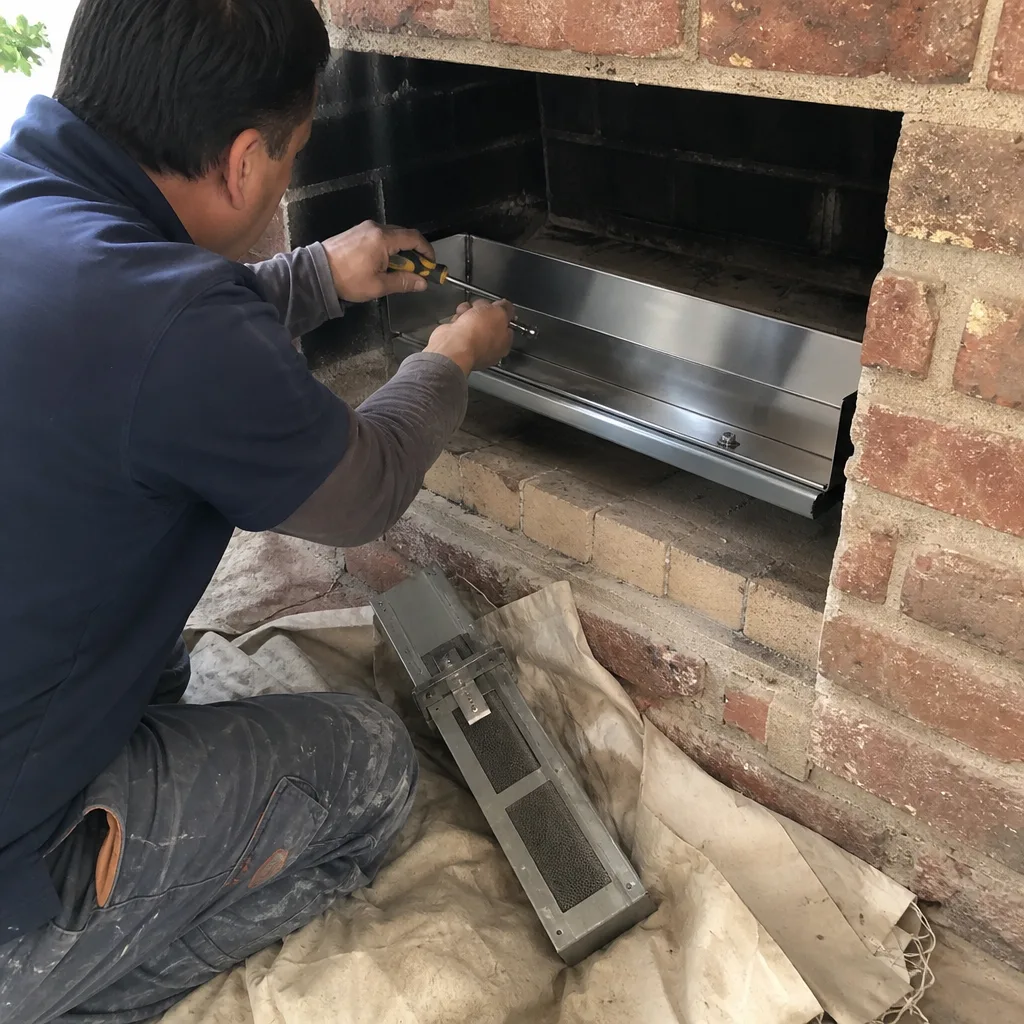
January in Pasadena is not “off season.” It’s a distinct inspection window with a different purpose than August cleaning.
After three to four months of regular burning, the flue liner has experienced thermal cycling - repeated heating and cooling that stresses masonry and metal components. The damper mechanism has operated dozens of times. The firebox floor may show ash accumulation patterns that reveal drafting problems. A January inspection documents this wear while it’s fresh, before spring moisture sets in.
The evidence outputs differ from August:
- Flue liner thermal stress: Camera footage captures hairline cracks that opened during peak burning and may close in cooler months, becoming invisible by spring.
- Creosote formation rate: We measure buildup thickness against the August baseline to calculate your actual burn profile. Some Pasadena homeowners in older Bungalow Heaven properties with unlined chimneys generate creosote at triple the rate of lined systems.
- Smoke chamber sloping: The area above the damper that funnels smoke into the flue - we check for refractory degradation from sustained high heat.
- Exterior masonry spalling: Freeze-thaw damage is rare in Pasadena, but thermal shock from hot flue gases against rain-cooled exterior masonry in December storms can cause surface flaking.
A January inspection is diagnostic, not preventive. It tells you what the season cost your system. In our experience across 38,000+ inspections, homeowners who alternate August cleaning with January inspection catch developing problems at roughly one-third the repair cost of those who wait for visible symptoms.
The January visit produces a different document set: a condition comparison report against your August baseline, with predictive maintenance recommendations ranked by urgency. Some items can wait until the following August. Others, like a compromised flue liner in a wood-framed chimney chase, should be addressed before the next burning season regardless of convenience.
Spring Tasks: Pepper Trees, Jacarandas, and the March-May Shedding Window
Pasadena’s spring is visually spectacular and mechanically destructive to chimneys. The California pepper tree sheds fine, oily leaflets from March through May. Jacarandas drop purple blossom debris in May and June. Both materials collect on chimney crowns, in mortar joints, and inside uncapped flues.
This debris is more than cosmetic. Pepper tree leaflets contain oils that accelerate corrosion on galvanized steel caps. Jacaranda blossoms decompose into acidic compounds that etch masonry surfaces. Combined with the marine layer moisture that begins penetrating inland in late May, spring debris becomes summer damage.
The correct spring task list:
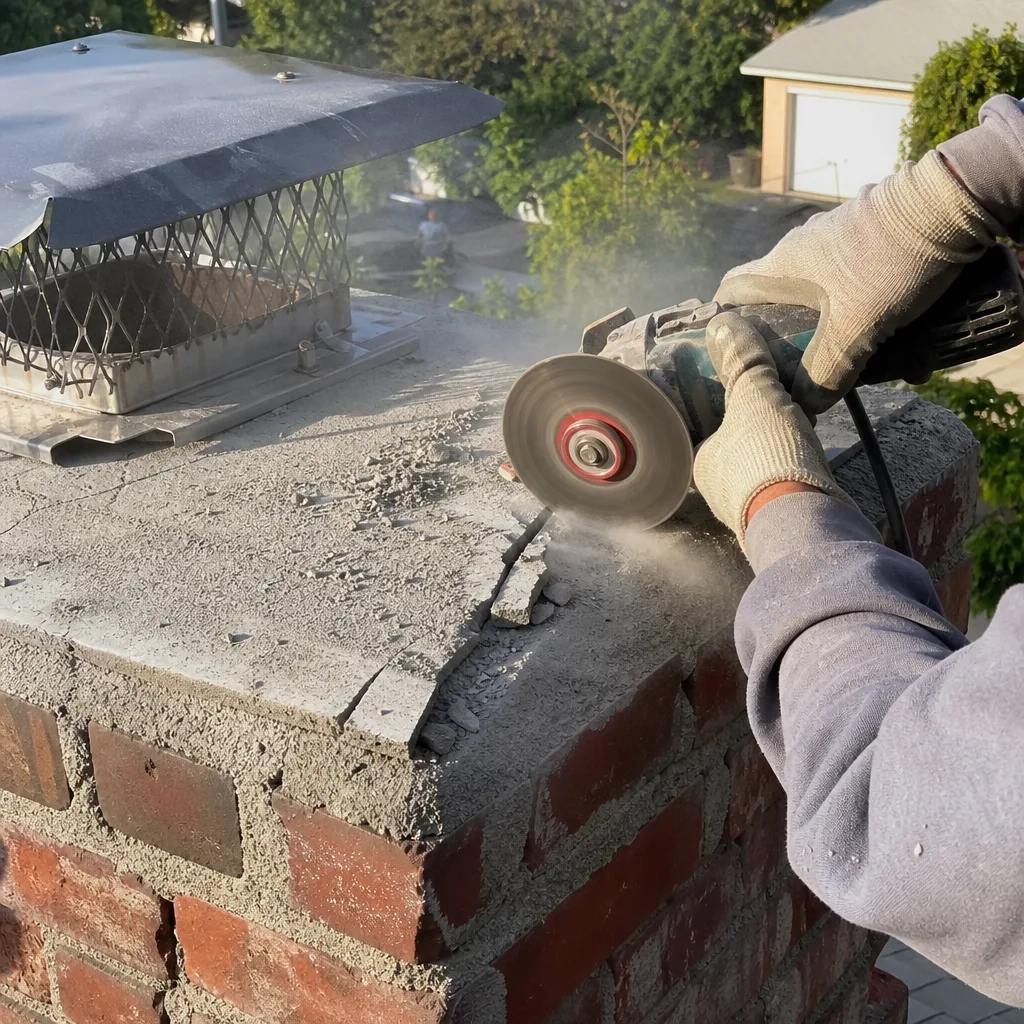
- Crown debris removal: Not pressure washing, which forces water into micro-cracks. Manual brushing and inspection for new cracks that opened during winter thermal cycling.
- Cap and spark arrester mesh clearing: Pepper tree leaflets wedge in mesh screens, reducing draft efficiency and creating backdraft risk during summer barbeque use of outdoor fireplaces.
- Smoke chamber debris check: Fine particulate from spring winds settles in the smoke chamber. If you used your fireplace for occasional spring evenings, this combines with ash residue.
- Exterior masonry moisture assessment: The first marine layer penetrations reveal whether winter rains found pathways through crown cracks or deteriorated mortar.
In neighborhoods like San Rafael and the Chapman Woods area, mature pepper tree canopies directly overhang rooflines. We’ve documented cases where a single season’s debris accumulation added 40 pounds of organic material to a chimney crown, accelerating spalling on the firebox side. The repair, caught in spring, involved crown sealing with HeatShield products. Caught in August, the same condition required partial crown rebuild.
Spring is not a cleaning season. It’s a debris management and early detection season. Follow our Chimney Cleaning & Sweep Maintenance Checklist for Pasadena Homeowners to stay on track, and schedule spring work for April, after the peak pepper tree shed and before jacaranda drop begins.
Summer Work That Isn’t Cleaning: Spark Arresters and Damper Seals
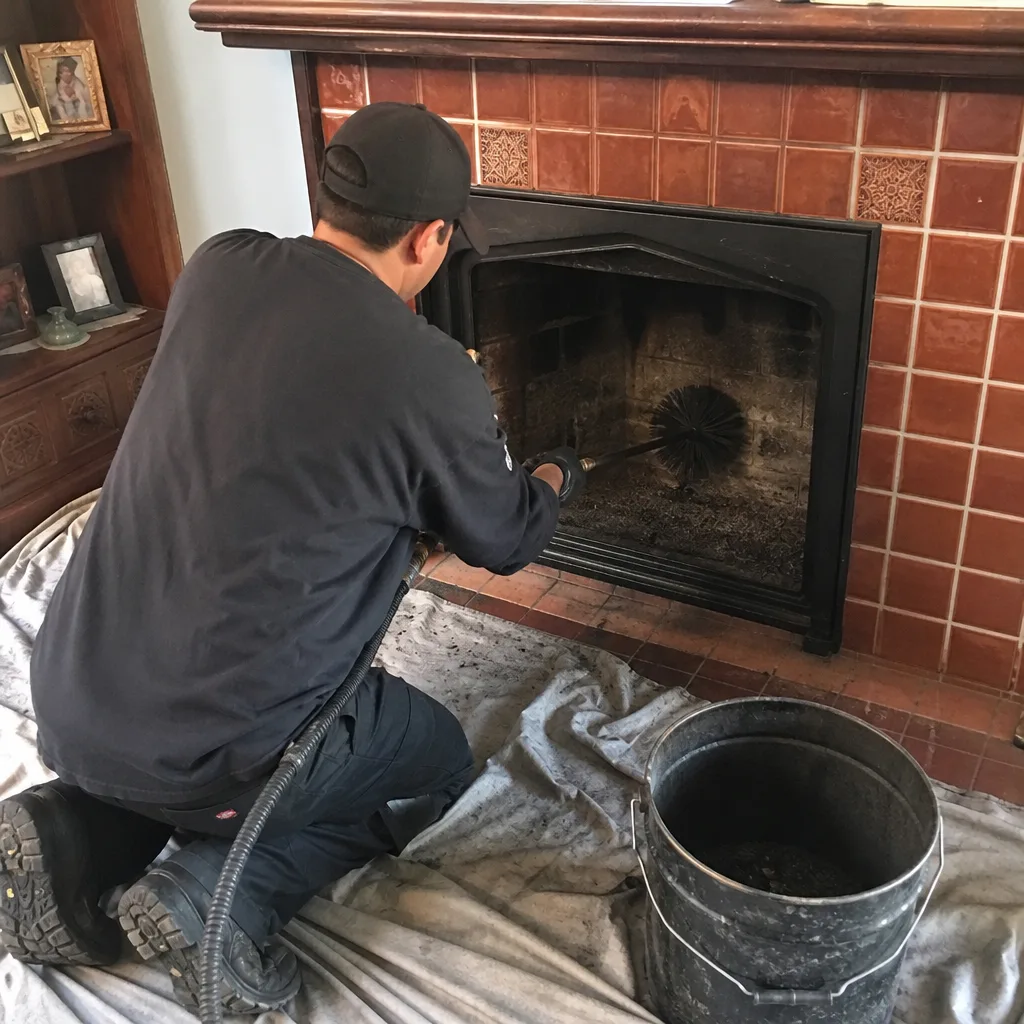
June through August in Pasadena brings two chimney risks that have nothing to do with creosote: wildfire ember intrusion and marine layer moisture infiltration.
The spark arrester - the mesh screen on your chimney cap - is your primary defense against ember ignition during wildfire season. A single ember can travel a mile in Santa Ana conditions. If it enters an uncapped flue and finds dry debris or creosote residue, the result is a roof fire independent of your own fireplace use. Even homeowners who never burn need functional spark arresters in Pasadena’s wildland-urban interface zones.
Summer inspection of the spark arrester checks for:
- Mesh corrosion or separation from the cap frame, common after winter moisture exposure
- Debris accumulation from spring shedding season
- Proper mesh sizing - 1/2-inch or smaller per California fire code in high-risk zones
- Secure attachment to the flue or crown, tested against wind uplift
Damper seal testing addresses the marine layer. From June through August, overnight moisture penetrates chimney systems through the top. A damper that seals poorly allows this moisture into the firebox, where it accelerates rust on damper hardware and degrades refractory panels. The test is simple: close the damper, shine a flashlight upward from the firebox, and look for light leakage. Any visible gap indicates seal failure.
We’ve replaced damper assemblies in Pasadena homes where summer moisture exposure destroyed the steel frame in three seasons. The replacement cost typically runs $400-$800. The summer seal check that would have caught it: included in any Level Two Chimney Pasadena service call at no additional charge.
Summer is also the correct window for liner installation or major rebuilds. The flue is clean, the masonry is dry, and materials cure properly in warm conditions. Scheduling structural work in summer means your system is fully operational by August cleaning, not delayed into burning season.
The Pasadena Chimney Calendar: Month by Month
This calendar replaces the generic “clean in fall, check in spring” advice with Pasadena-specific timing tied to actual local conditions.
| Month | Primary Task | Pasadena-Specific Trigger |
|---|---|---|
| January | Post-season inspection | Document thermal wear from peak burning; compare against August baseline |
| February | Repair scheduling | Address January findings before spring moisture; off-peak technician availability |
| March | Early debris watch | Pepper tree shedding begins; monitor crown accumulation |
| April | Spring maintenance | Debris removal, cap clearing, moisture assessment after first marine layer penetrations |
| May | Jacaranda prep | Pre-drop inspection; secure loose caps before blossom debris arrives |
| June | Spark arrester check | Wildfire season opens; verify ember protection before first Santa Ana risk |
| July | Damper seal test | Marine layer moisture peaks; verify firebox protection |
| August | Annual cleaning | Pre-wind-season sweep; optimal scheduling before September rush |
| September | Pre-burn verification | Confirm August work completion; test operation before first cold snap |
| October | First fire protocol | Santa Ana winds arrive; verify spark arrester after wind exposure |
| November | Mid-season check | Heavy use begins; monitor draft performance and creosote accumulation rate |
| December | Holiday safety | Peak burning load; emergency response readiness for chimney fire or CO backup |
This calendar assumes wood-burning fireplace use. Gas log systems shift two months later - clean and inspect in October before holiday entertaining, with annual service in April after heating season ends. Pellet stoves require mid-season cleaning in November due to higher ash production.
What Pasadena Chimney Cleaning Costs by Season
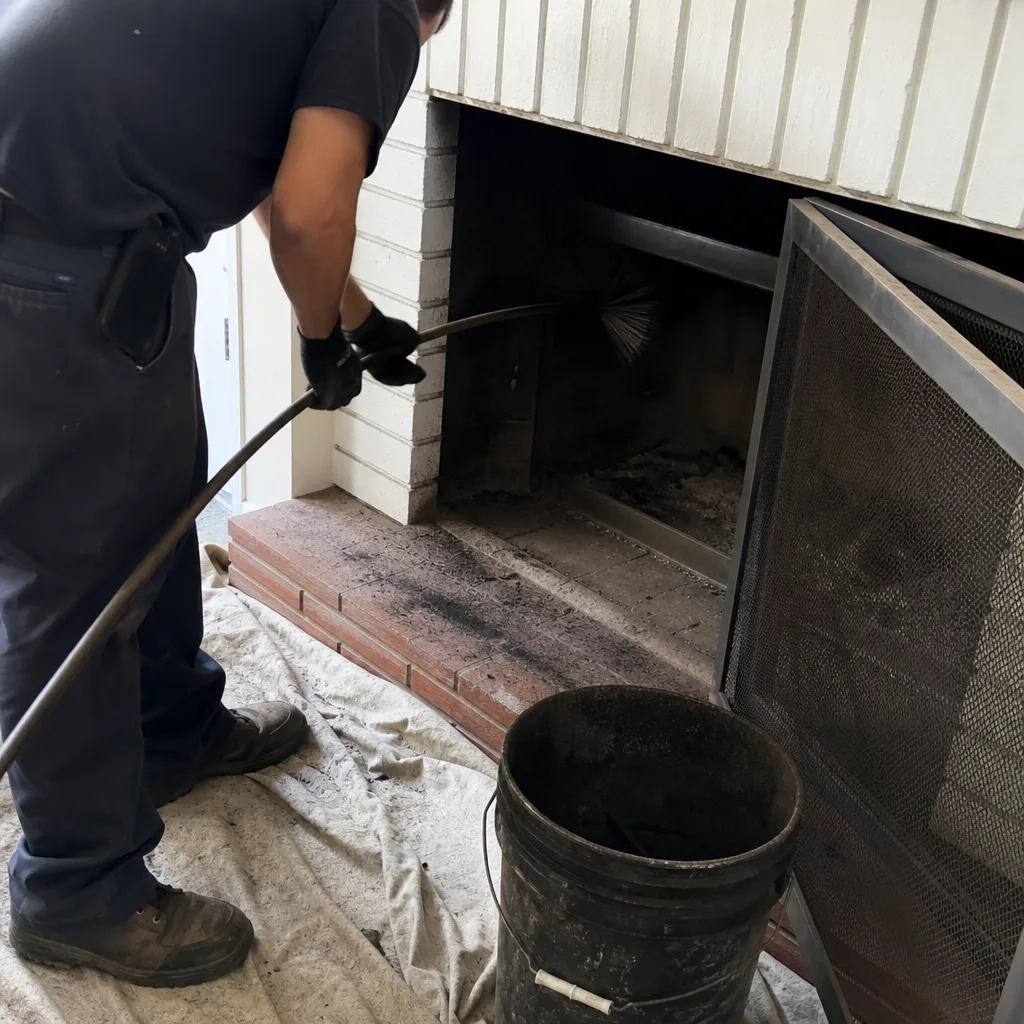
Pricing varies by season in Pasadena, but not because we charge more when demand peaks. For a detailed Chimney Cleaning Cost Breakdown: The Pasadena Homeowner’s Reference for 2026, see our dedicated guide. The variation here reflects scope differences and accessibility conditions.
August cleaning (standard pre-season): $220-$320 for a single-flue wood-burning fireplace with NFPA 211 Level 2 inspection, camera scan, and documented photo record. This is our baseline. Multi-flue systems, inserts, or stoves add $85-$150 per additional appliance. Two-story homes in Linda Vista or Hastings Ranch with steep roof pitches may require additional rigging time.
January inspection (post-season diagnostic): $180-$260. No sweeping unless indicated by camera findings. The reduced price reflects absent cleaning labor, but the inspection scope is identical - camera down the flue, written condition report, comparison against prior documentation if available.
Spring maintenance (debris removal and cap service): $150-$220. Includes crown debris clearing, cap and spark arrester cleaning, damper seal test, and exterior masonry moisture check. Does not include interior flue work unless separately indicated.
Summer spark arrester/damper service: $120-$180 as standalone, or included at no charge with any other service call. Replacement spark arresters, if needed, run $85-$200 depending on cap diameter and mesh specification.
Repair work scheduled February or March: Typically 10-15% below peak-season pricing due to technician availability and material procurement through our Haven buying network. We source materials from DuraFlex, HeatShield, Gelco, Olympia Chimney, Famco, and Copperfield specifically to keep customer prices honest.
Every price is delivered in writing before work starts. Clause 1 of the Haven Standard requires it: written price, written scope, written warranty. No exceptions. If you receive a competitor’s written estimate, we provide a free second opinion with no obligation.
Common Mistakes to Avoid
- Waiting for September because “that’s when you’re supposed to.” In Pasadena, September cleaning means your flue enters Santa Ana season with fresh creosote exposed to drying winds. Clean in August.
- Assuming no burning means no maintenance. Gas fireplaces, decorative wood-burning systems, and even sealed flues accumulate debris and require inspection. Spark arrester function matters for non-burners too.
- Ignoring pepper tree proximity. In Pasadena’s older neighborhoods, mature pepper trees are heritage plantings protected by municipal code. You can’t remove them, so you must manage the debris they generate.
- Using the same scope for August and January visits. These are different inspections with different evidence outputs. A January “cleaning” that repeats August’s sweep without diagnostic focus misses thermal wear documentation.
- DIY spark arrester removal for “better draft.” Removing or enlarging mesh to improve fireplace draw eliminates wildfire ember protection and violates fire code in Pasadena’s high-risk zones. Draft problems indicate chimney design issues, not arrester failure.
- Delaying liner replacement until “next season.” A compromised flue liner in a wood-framed chase is a structure fire risk regardless of convenience. We document the condition with camera evidence you can see, then explain whether it can wait.
- Booking based on coupon timing rather than calendar logic. The cheapest sweep in October is still a month late for Pasadena’s risk profile. Price matters, but timing matters more.
When to Call a Professional
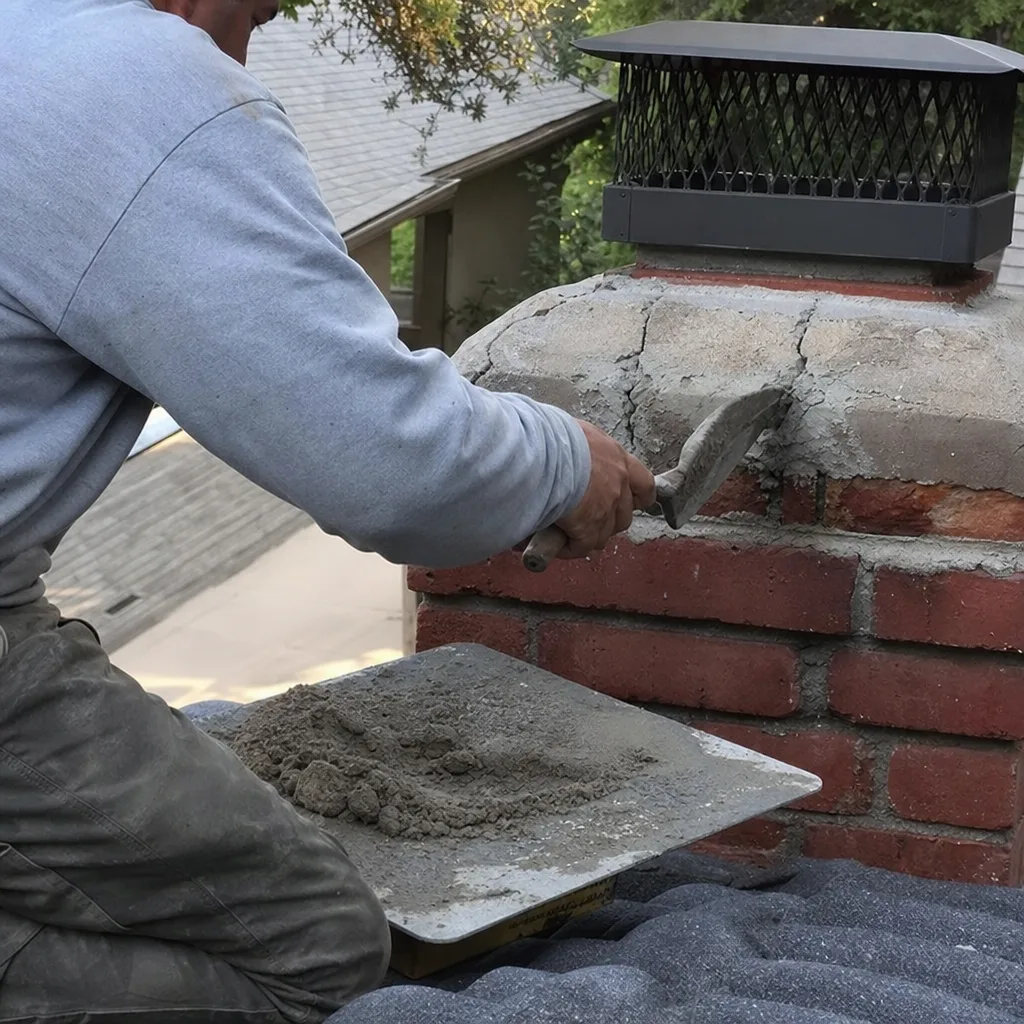
Call when you smell smoke in the house during operation, when the damper sticks or won’t fully close, or when you see exterior masonry debris in the firebox - each indicates a condition that self-inspection cannot fully assess. After any seismic event, even minor, a flue liner crack check is warranted; Pasadena’s proximity to the Raymond Fault means low-grade tremors occur without public notice.
Level Two Chimney Pasadena offers free estimates throughout Pasadena and surrounding communities. Every estimate includes the camera inspection and documented photo record - Clause 4 of the Haven Standard, not an optional upgrade. Call (213) 459-6058 to schedule. Live phone support runs 24 hours a day, 7 days a week.
Frequently Asked Questions
A standard single-flue cleaning with NFPA 211 Level 2 inspection runs $220-$320 in Pasadena. Multi-flue systems, inserts, or steep-roof access add to that base. We deliver a written price before work starts on every job, with no exceptions. Call (213) 459-6058 for an exact quote - estimates are free.
Wood-burning fireplaces need annual sweeping, and in Pasadena’s climate, August timing matters more than frequency. Gas systems require annual inspection but not sweeping. Pellet stoves need cleaning every two to three tons of pellets burned, typically twice per season for regular users. The NFPA 211 standard is clear: inspect annually, clean when creosote exceeds 1/8-inch thickness.
Only if camera evidence shows cracking, spalling, or gaps that compromise containment of combustion byproducts. We don’t recommend liner replacement without footage you can review yourself. In unlined chimneys common in pre-1940 Pasadena homes, liner installation is often advisable but never urgent enough to bypass documentation. Bring us any competitor’s written estimate for a free second opinion.
Accumulated creosote ignites at 451°F - a temperature normal fireplace operation exceeds. The resulting chimney fire can crack the flue liner, exposing adjacent framing to direct flame contact. Carbon monoxide, produced by incomplete combustion in a restricted flue, is odorless and potentially fatal. These are documented risks, not sales tactics; we show you the creosote thickness and explain what it means in plain terms.
August cleaning removes creosote before the Santa Ana winds arrive in October, preventing the drying and hardening that makes deposits more combustible. It also beats the September booking rush, when every sweep company in the San Gabriel Valley advertises simultaneously. The flue enters burning season clean, not freshly coated with wind-dried residue.
A sweep removes deposits from the flue and firebox. A Level 2 inspection, required by NFPA 211 for property transfers and after chimney fires, includes a camera scan of the full flue length, smoke chamber evaluation, and accessible exterior inspection. At Level Two Chimney Pasadena, every cleaning includes the Level 2 inspection and documented photo record as standard - not as an add-on.
We don’t recommend it. Proper chimney cleaning requires roof access, specialized brushes sized to your flue diameter, and camera equipment to verify complete deposit removal. More critically, only trained inspection identifies conditions like hidden liner cracks or improper clearances that cleaning alone won’t address. The documented photo record we provide is what your insurer or home inspector will request if questions arise.
The Bottom Line
Pasadena’s chimney calendar runs on local climate, not national convention. Clean in August, inspect in January, manage debris in spring, and verify ember protection in summer. The month-by-month approach prevents the two failures we see most: creosote hardened by Santa Ana winds before first fire, and thermal damage documented too late for preventive repair. Every visit should produce evidence you can see - photos, written scope, written price - not reassurance you must trust. That’s been our practice since 2009, and it’s the foundation of the Haven Standard we work under still.
Ready to schedule your August cleaning or January inspection? Level Two Chimney Pasadena serves homeowners throughout Pasadena and surrounding communities with background-checked, uniformed technicians, live phone support 24/7, and the documented photo record included on every job. Call (213) 459-6058 for a free estimate.
Written by Corrine Halstead, Owner at Level Two Chimney Pasadena, serving Pasadena since 2009.