
Last updated September 22, 2026
Level 1 sweep and inspection to the NFPA 211 annual standard - flue, crown, cap, and flashing checked and photographed
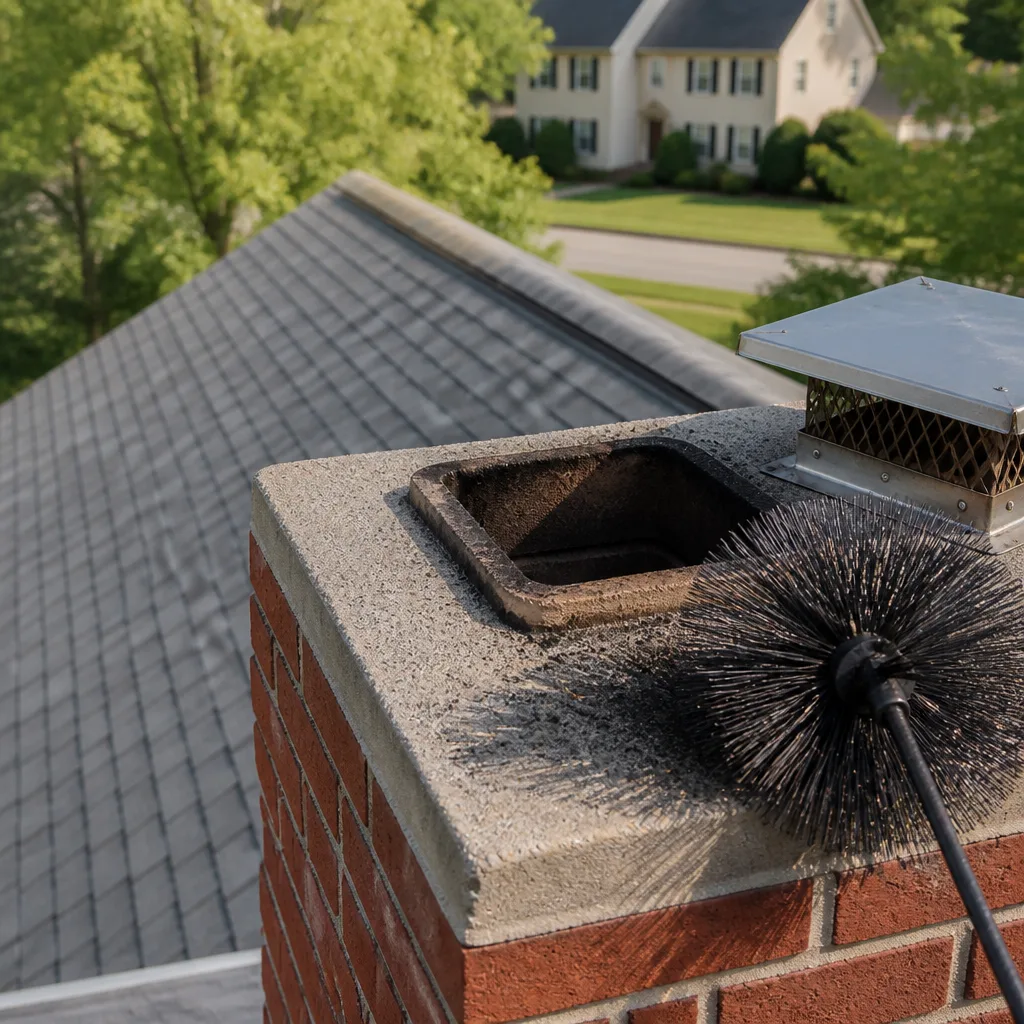
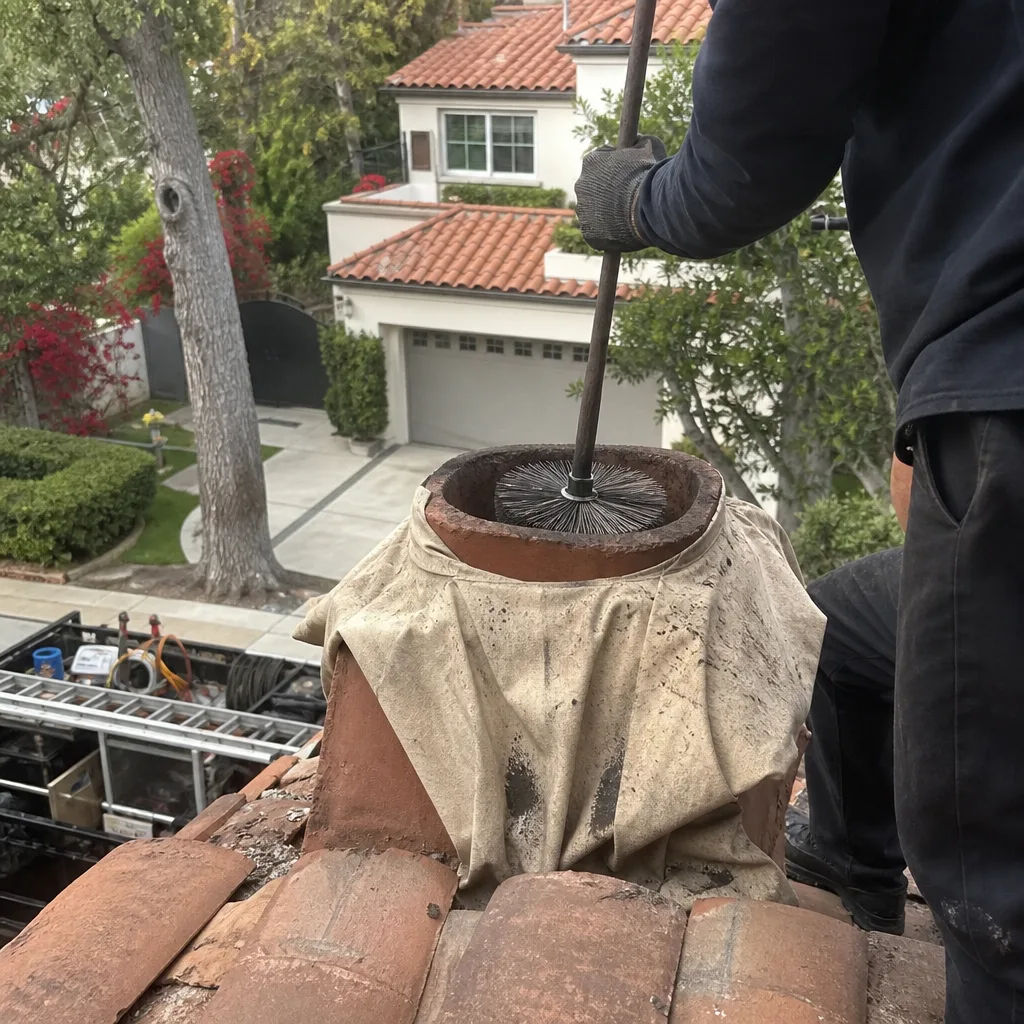
Chimney sweep logs do not sweep chimneys. They loosen some creosote - which then falls where a brush and vacuum still have to collect it.
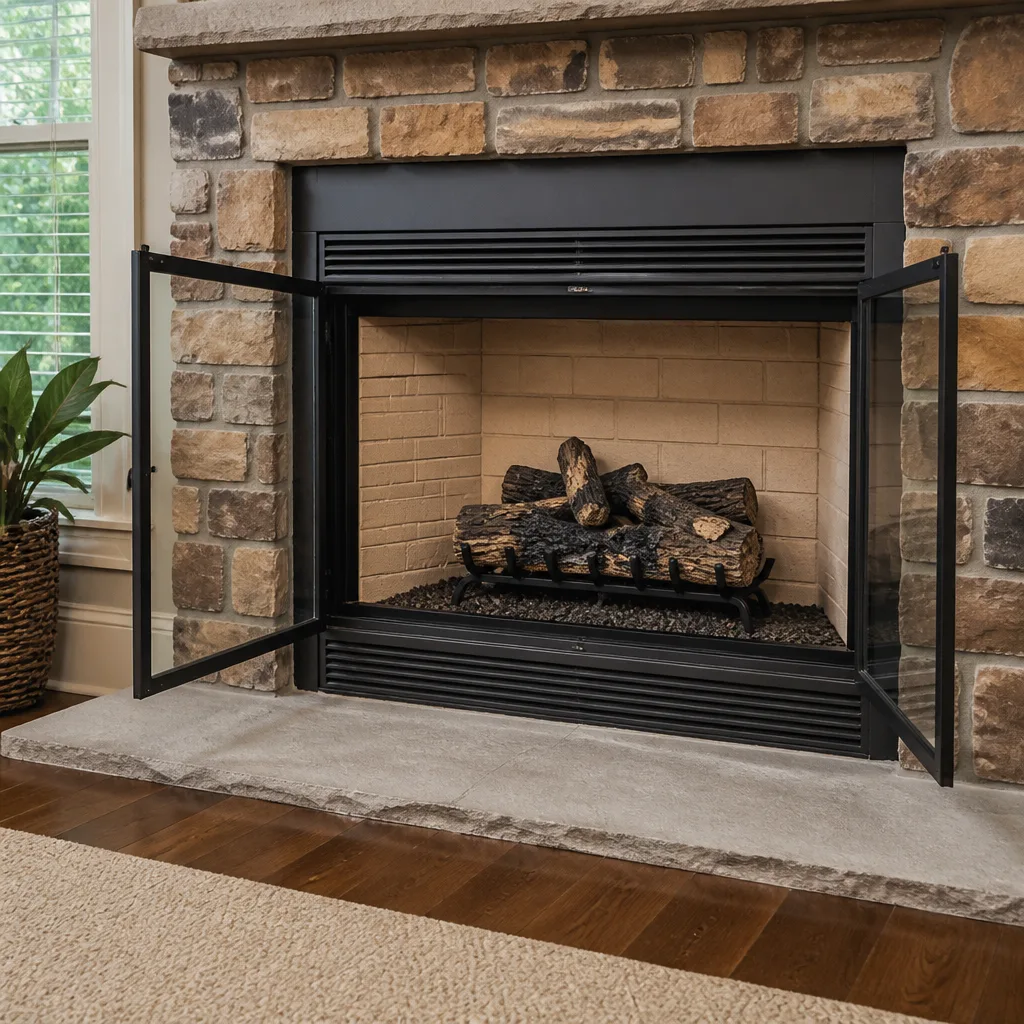
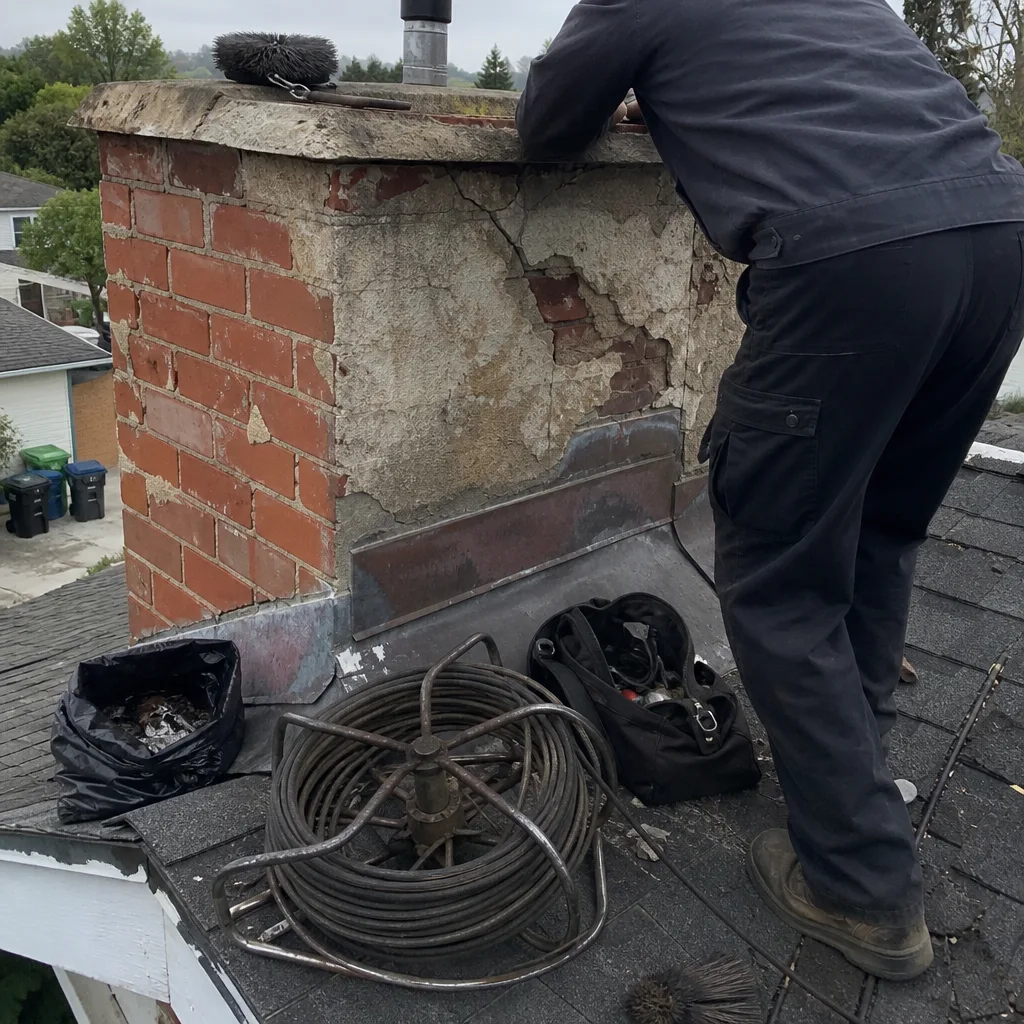 Before
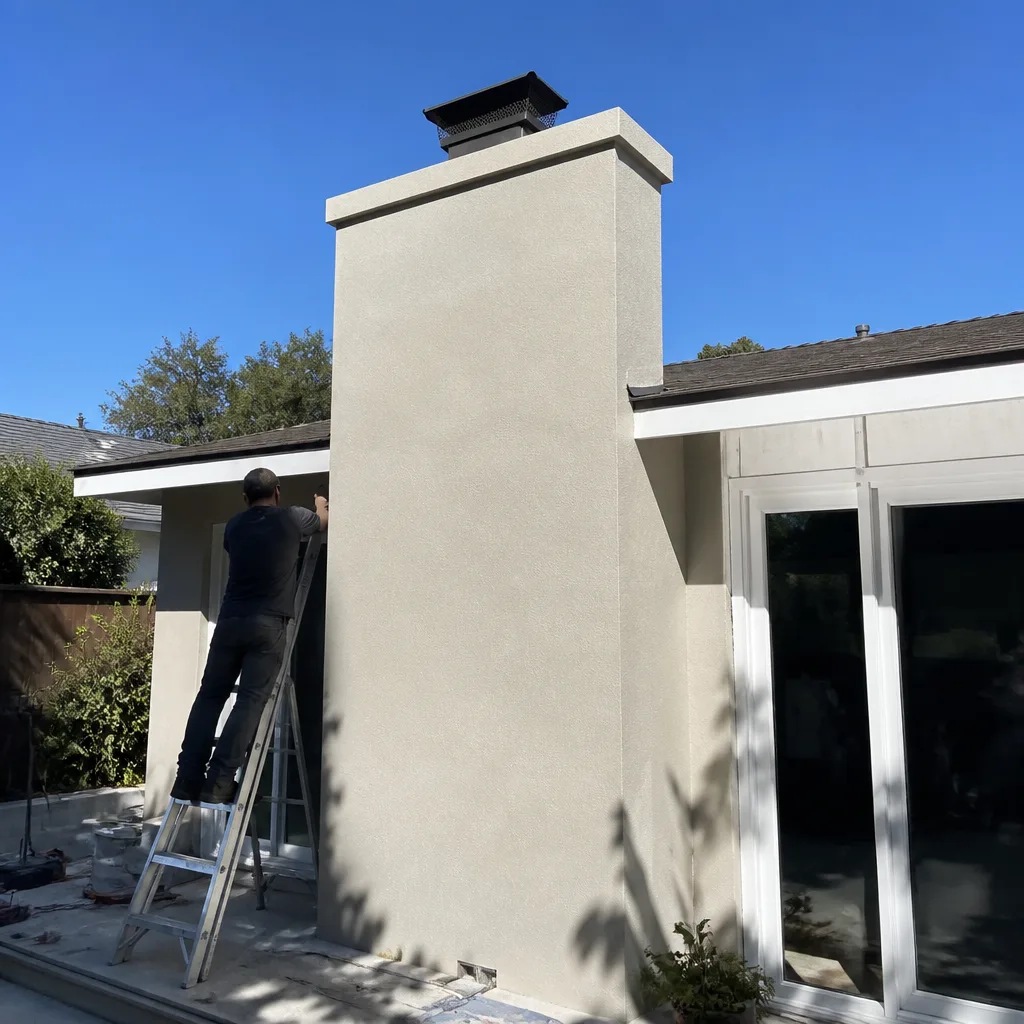 After
After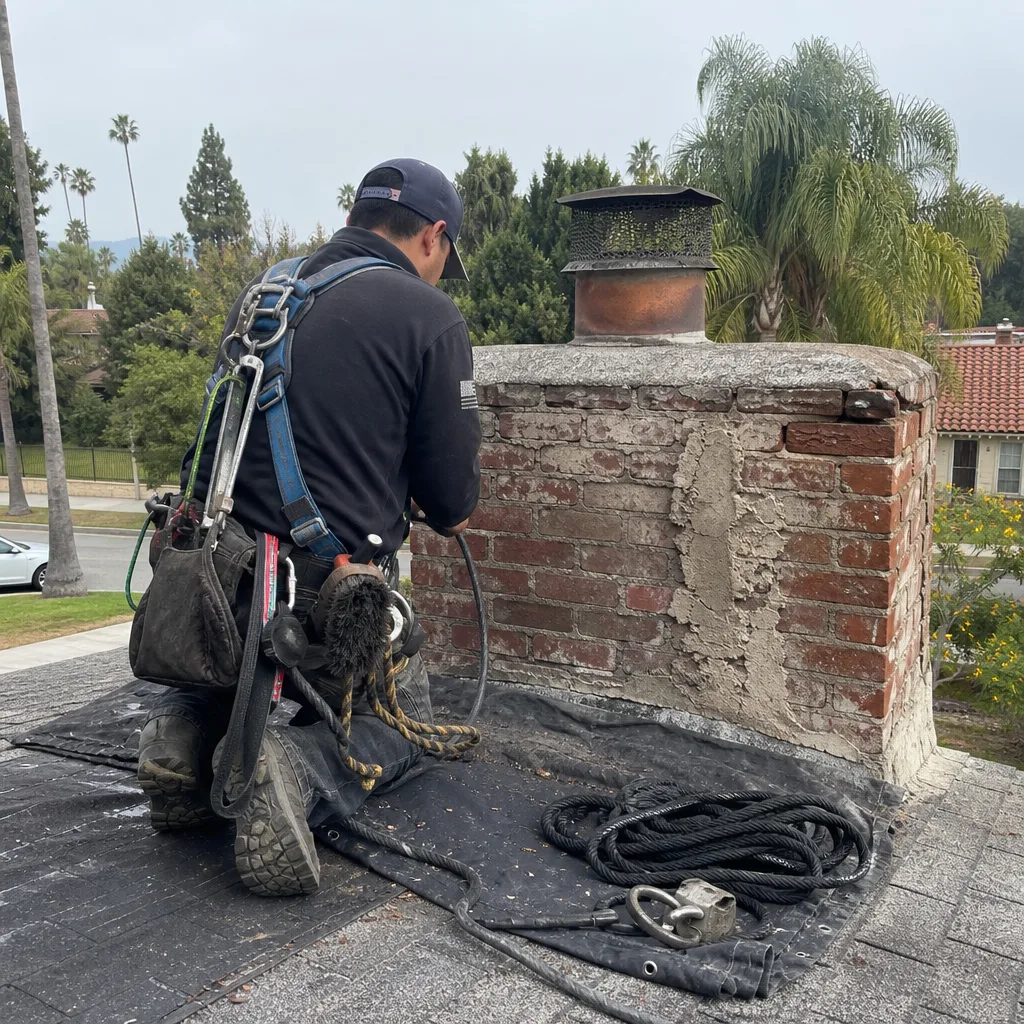 Before
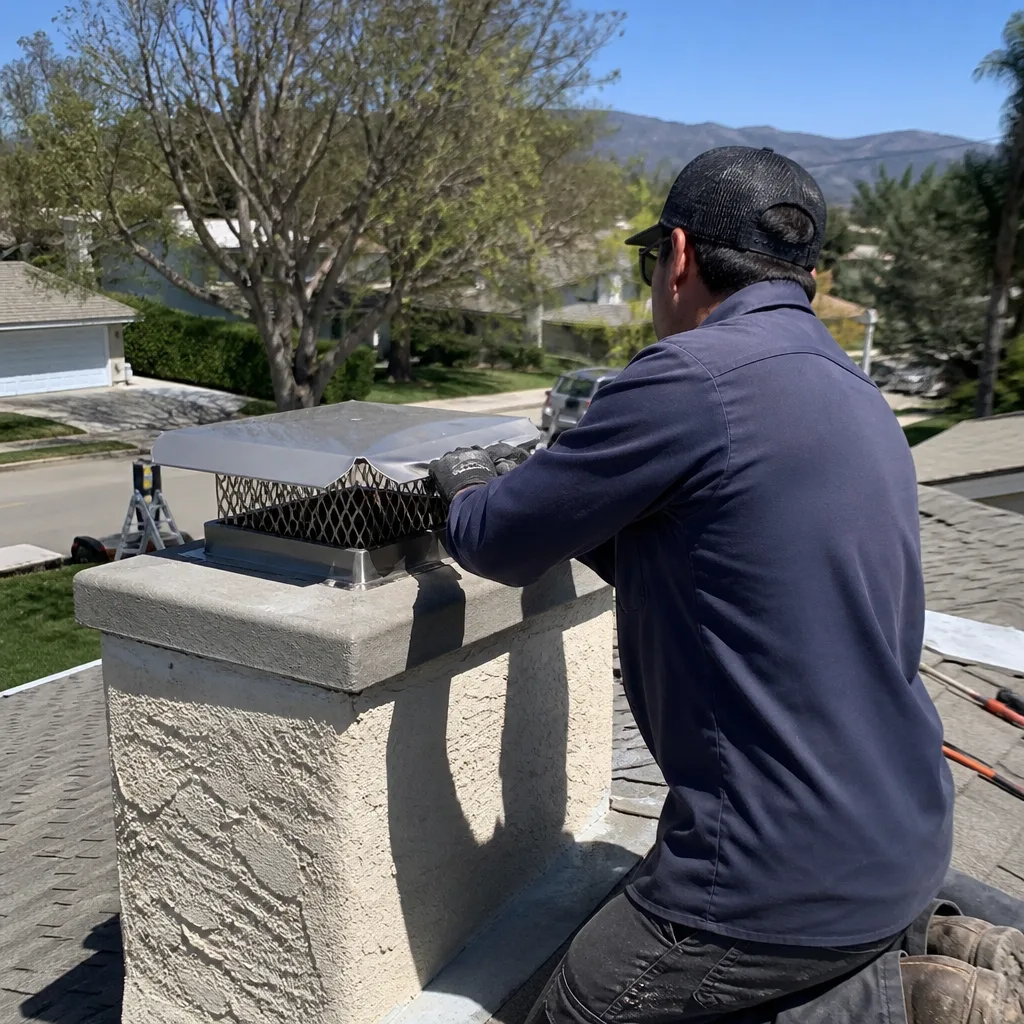 After
After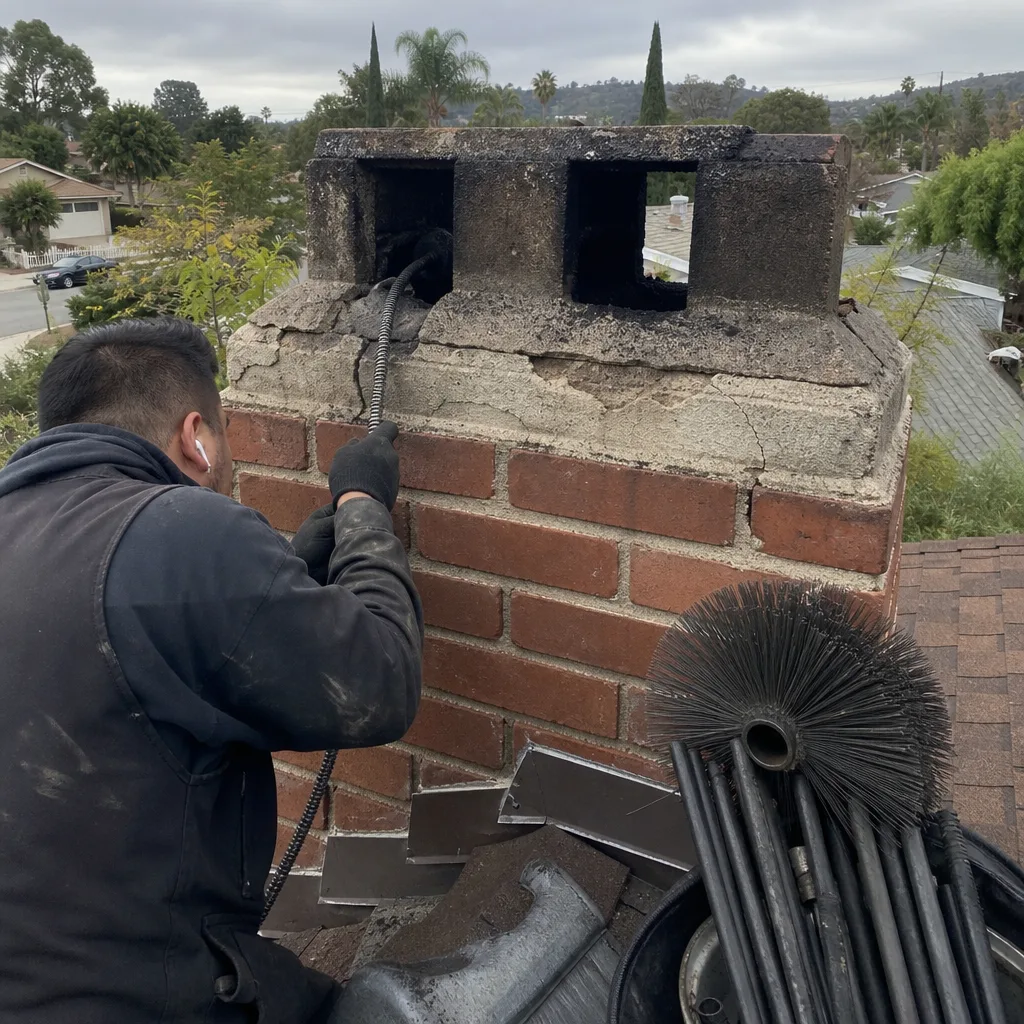 Before
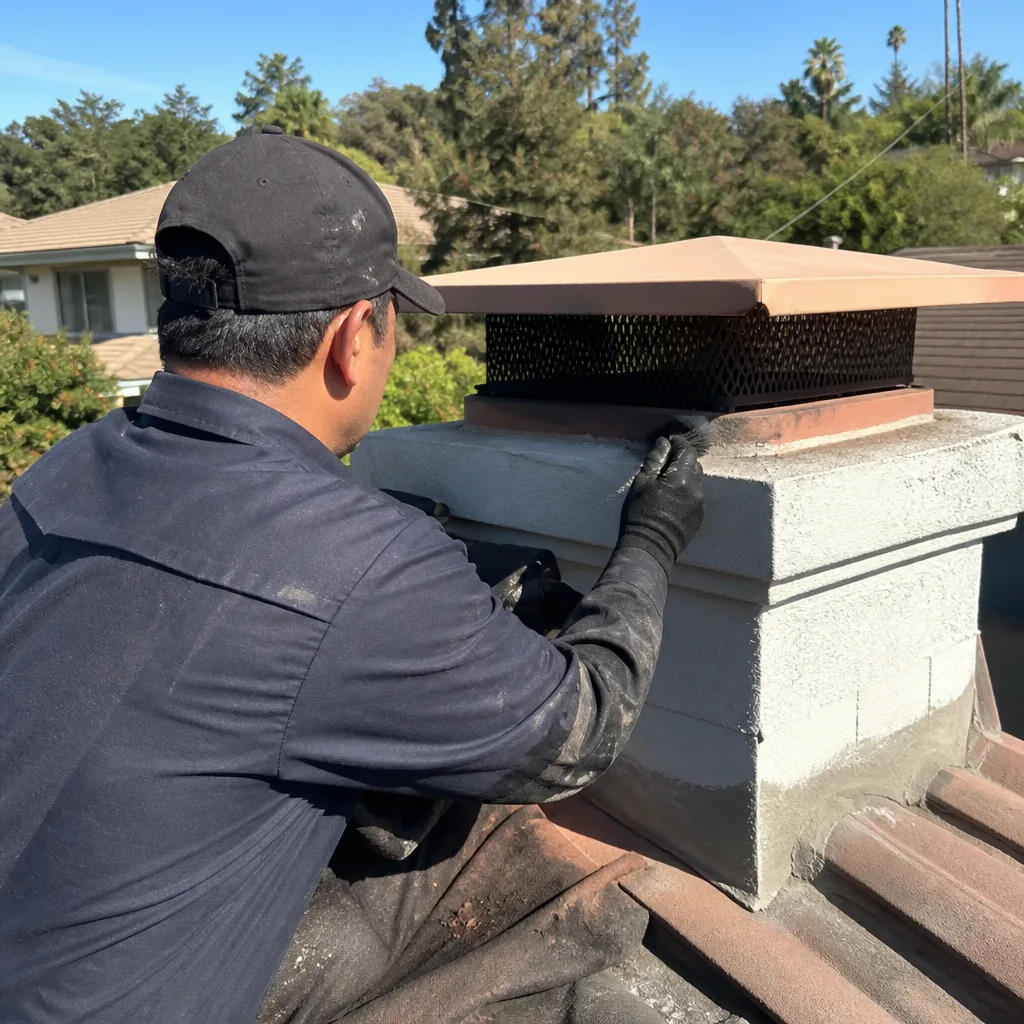 After
AfterChimney Cleaning Permits, Codes & Inspections in CA: What You Need to Know
A Pasadena homeowner in Madison Heights let a chimney company reline their flue without pulling a permit. The work looked fine. Two years later, at escrow, the unpermitted liner voided the fireplace disclosure, delayed the sale by six weeks, and cost more to rectify than the original job. Here’s what most sweep companies won’t tell you: the cleaning itself rarely needs a permit, but the repairs uncovered during that cleaning often do. In this guide - a companion to our Complete Guide to Chimney Cleaning in Pasadena - we’ll separate what’s permit-free from what isn’t, decode California Building Code Section 2113 in plain language, and explain why Pasadena’s historic district rules add another layer most homeowners never see coming.
Quick Answer
Routine chimney cleaning and sweeping in California requires no building permit under state code. However, liner replacements, crown rebuilds, firebox reconstruction, and chase modifications all trigger permit requirements under California Building Code Section 2113 and Pasadena Municipal Code Chapter 14.08. A proper chimney cleaning in Pasadena should include an NFPA 211 Level 2 camera inspection that documents existing conditions - this report becomes the baseline both Building & Safety and your insurer reference if permitted repair work follows.
Table of Contents
- What’s Permit-Free: Cleaning vs. Repairs
- California Building Code Section 2113 Decoded
- Pasadena’s Local Overlay: Historic Districts & Special Rules
- Repair Categories That Require a Pasadena Permit
- How NFPA 211 Level 2 Inspections Function as Documentation
- Gas vs. Wood-Burning: Different Code Paths
- Common Mistakes to Avoid
- When to Call a Professional
- Frequently Asked Questions
- The Bottom Line
BeforeAfterWhat’s Permit-Free: Cleaning vs. Repairs
The distinction matters because homeowners routinely pay for work that should have been permitted, then discover the problem during a home sale, insurance claim, or post-fire investigation.
Routine maintenance - no permit required:
- Chimney sweeping and removal of soot, ash, and creosote deposits
- Visual and camera inspection of flue liner, smoke chamber, and firebox
- Minor mortar joint repointing limited to 10% of total chimney surface area
- Cap replacement on existing chase (same dimensions, no structural modification)
- Damper adjustment or replacement of like-for-like components
Work that triggers permit requirements:
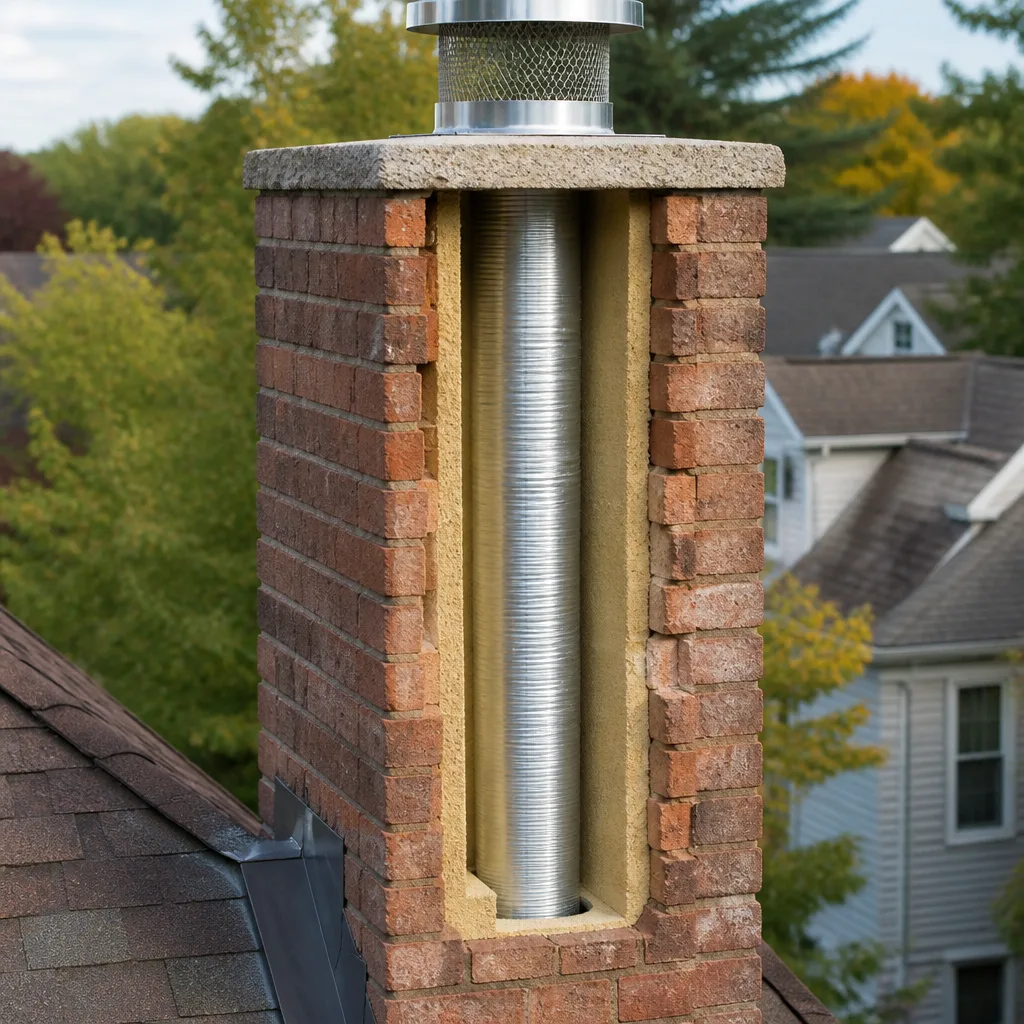
- Flue liner replacement or relining (any material: stainless steel, DuraFlex, HeatShield, clay tile)
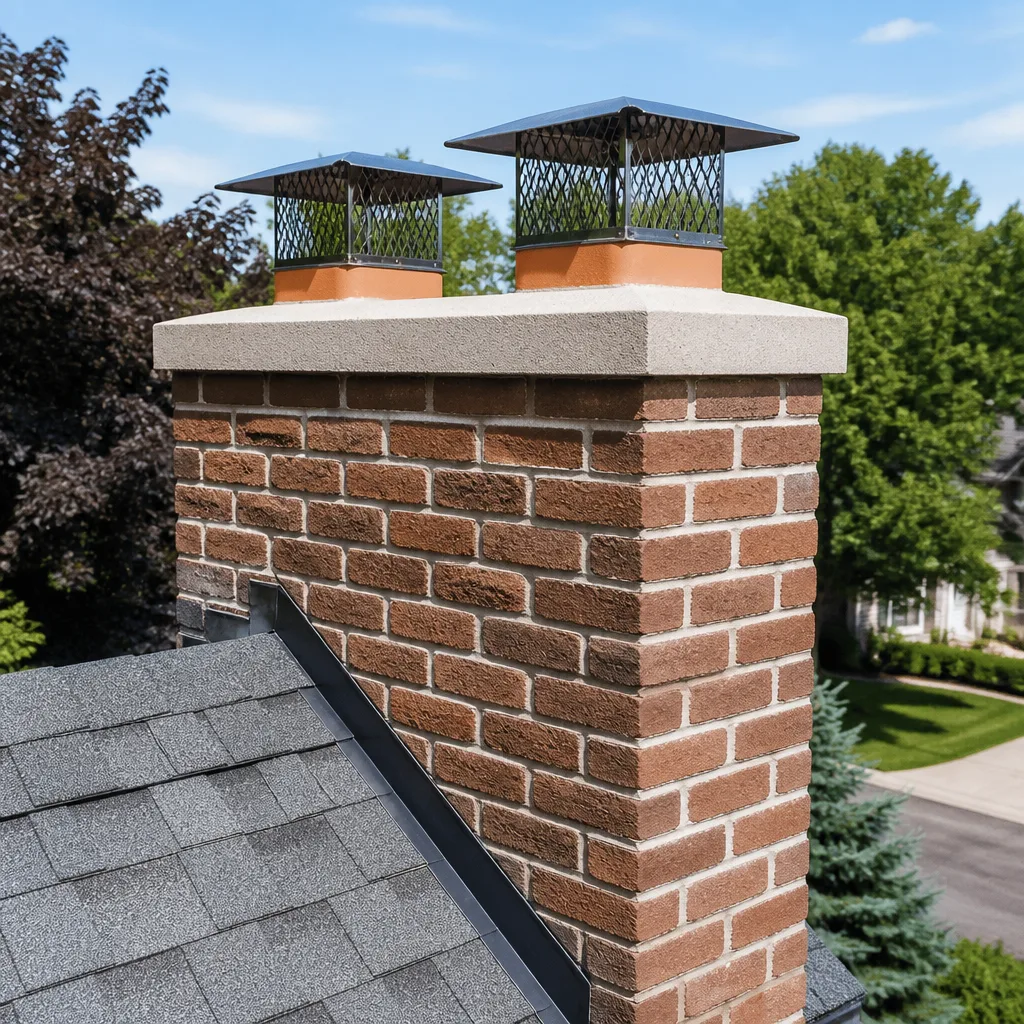
- Crown rebuild or replacement (involves formwork and structural concrete)
- Firebox reconstruction or refractory panel replacement exceeding minor repair thresholds
- Chase modification, enlargement, or structural alteration
- Any work affecting clearances to combustibles or changing appliance type (wood to gas conversion, for example)
We’ve completed more than 38,000 chimney inspections and cleanings since 2009. In our experience, roughly 40% of routine sweeps in Pasadena uncover conditions that require permitted repair work. The homeowner’s decision point comes when the sweep presents findings: proceed with maintenance-only, or authorize repair work that may need Building & Safety involvement. Knowing the chimney cleaning warning signs helps homeowners recognize when a routine sweep may uncover conditions requiring permitted repairs.
The trap is set by companies who offer to “take care of everything” without mentioning permits. They complete the work, cash the check, and leave the homeowner with uncoded modifications that surface years later. We’ve been called to document conditions for litigation where unpermitted liner work caused $15,000-$30,000 in remediation costs - far exceeding what proper permitting would have cost upfront.
California Building Code Section 2113 Decoded
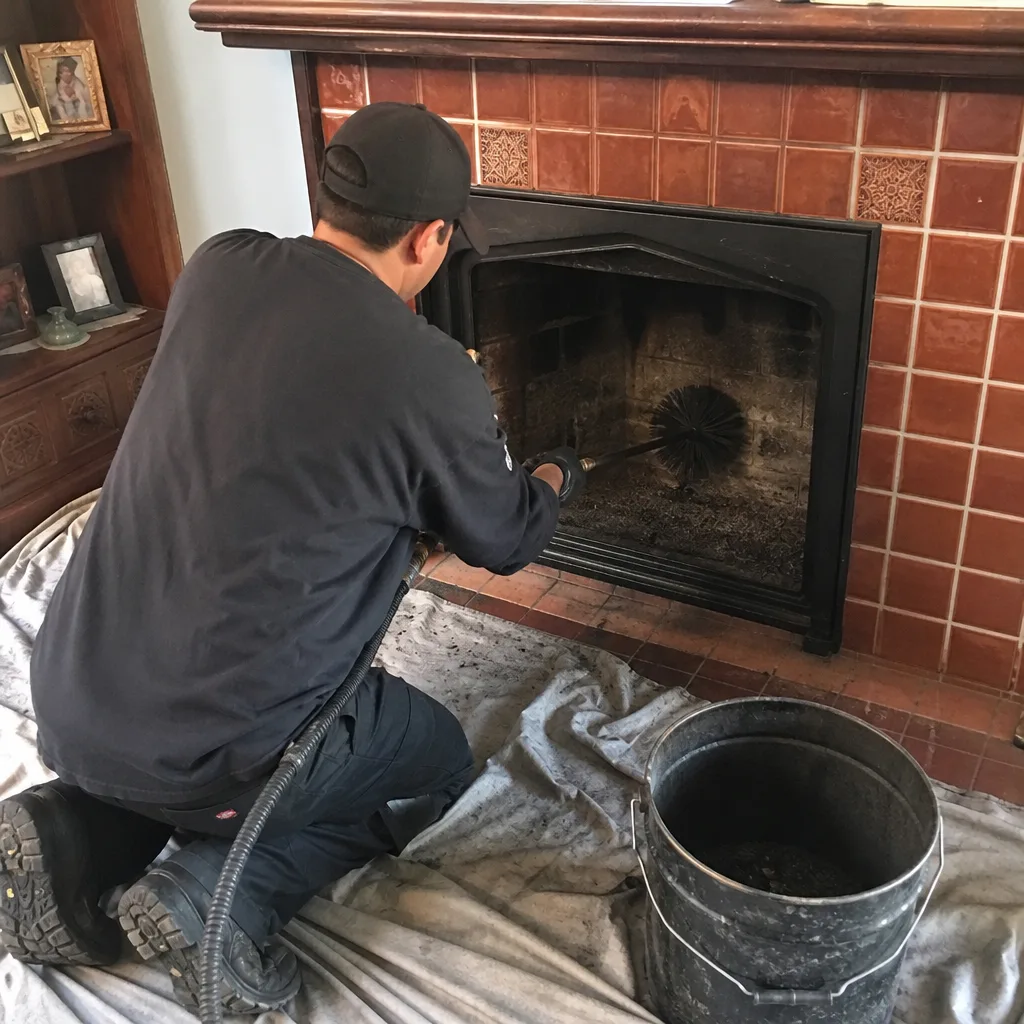
California Building Code Section 2113 governs masonry chimneys, factory-built chimneys, and fireplace systems statewide. The code references NFPA 211 as the installation and maintenance standard, but adds California-specific amendments. Here’s what actually matters for homeowners.
Section 2113.1 - Scope and Application
This section establishes that chimneys serving appliances shall be maintained in accordance with the manufacturer’s instructions and NFPA 211. The key word is “maintained.” Routine maintenance - sweeping, inspection, minor part replacement - falls outside permit jurisdiction. But “repair,” “reconstruction,” and “alteration” cross into building department territory.
Section 2113.3 - Lining Requirements
Every chimney must be lined with a flue lining system suitable for the intended appliance. If inspection reveals a deteriorated clay tile liner, cracked stainless steel, or missing liner segments, replacement is not maintenance. It’s reconstruction under 2113.3.1, and it requires a permit. The code specifically mandates that liner materials be listed and labeled - this is why we source DuraFlex and HeatShield products through Haven’s buying network, with full material certification documentation for every job.
Section 2113.9 - Clearances to Combustibles
Any work that reduces or modifies clearances to combustible materials requires permit and inspection. In older Pasadena homes, especially pre-1940 construction in Bungalow Heaven, original clearances often don’t meet current code. A liner replacement that improves safety by restoring proper clearance is permitted work. A “creative” installation that squeezes by without addressing clearance violations is a code violation and a fire hazard.
Section 2113.18 - Factory-Built Chimneys
Factory-built or metal chimneys (common in 1970s-1990s Pasadena construction) have additional restrictions. Component replacement must use listed parts from the original manufacturer or an approved equivalent. We’ve found chase covers from generic suppliers that don’t match OEM specifications - technically a code violation even if the installer didn’t realize it.
California’s Title 24 Energy Code Intersection
Chimney work in California also intersects with Title 24 energy efficiency requirements. Fireplace retrofits that affect combustion air supply or add energy-saving dampers may trigger additional compliance documentation. This is particularly relevant for gas fireplace insert installations, which are popular in Pasadena’s mid-century homes near the Arroyo.
Pasadena’s Local Overlay: Historic Districts & Special Rules
Pasadena Municipal Code Chapter 14.08 adopts the California Building Code with local amendments. Two overlays matter specifically for chimney work: historic district review and seismic bracing requirements.
Historic Districts: Bungalow Heaven and Madison Heights
Pasadena’s historic preservation ordinance (PMC Chapter 17.62) requires review for exterior alterations in designated districts. Bungalow Heaven, Madison Heights, and portions of the Landmark District fall under this rule. What counts as an “alteration” for chimney purposes?
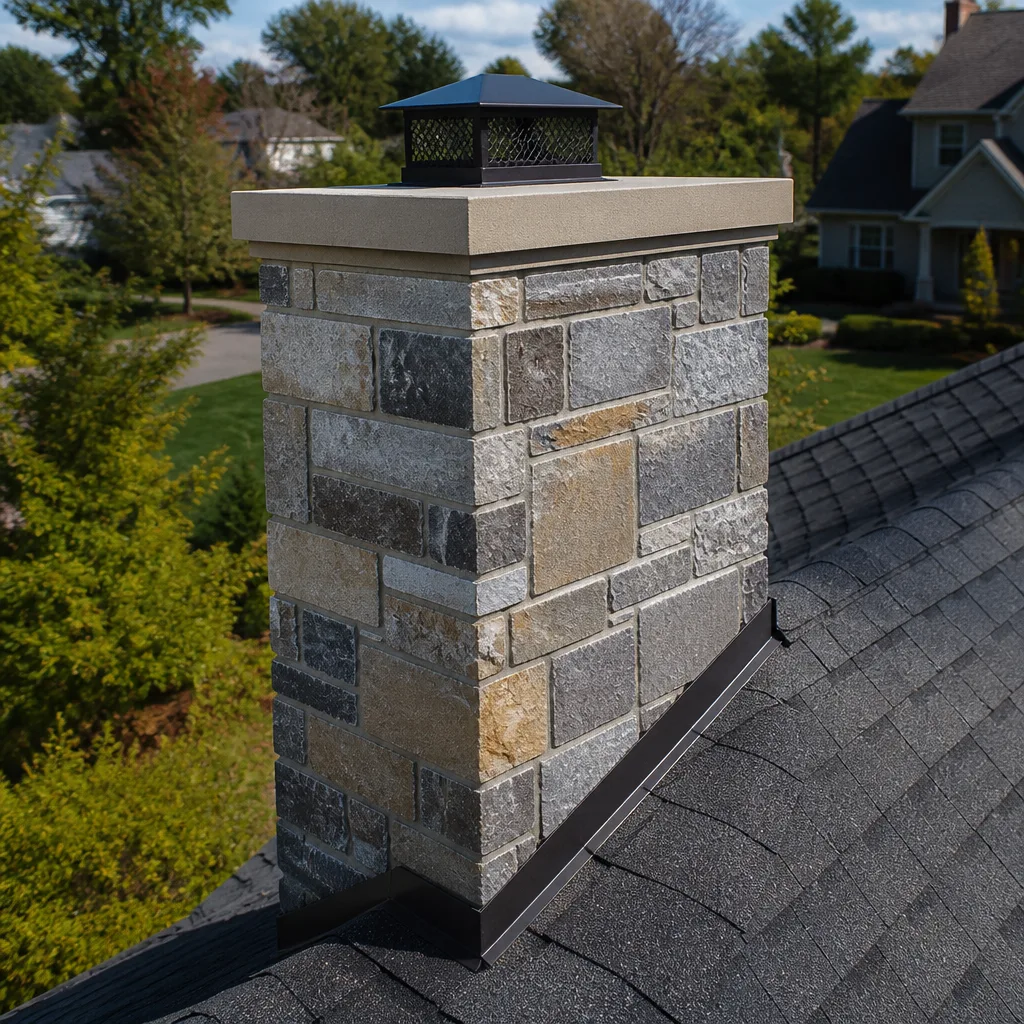
- Crown rebuilds that change visible profile or material (concrete to metal, for example)
- Chase modifications visible from the public right-of-way
- Cap replacements that alter the silhouette or introduce new materials
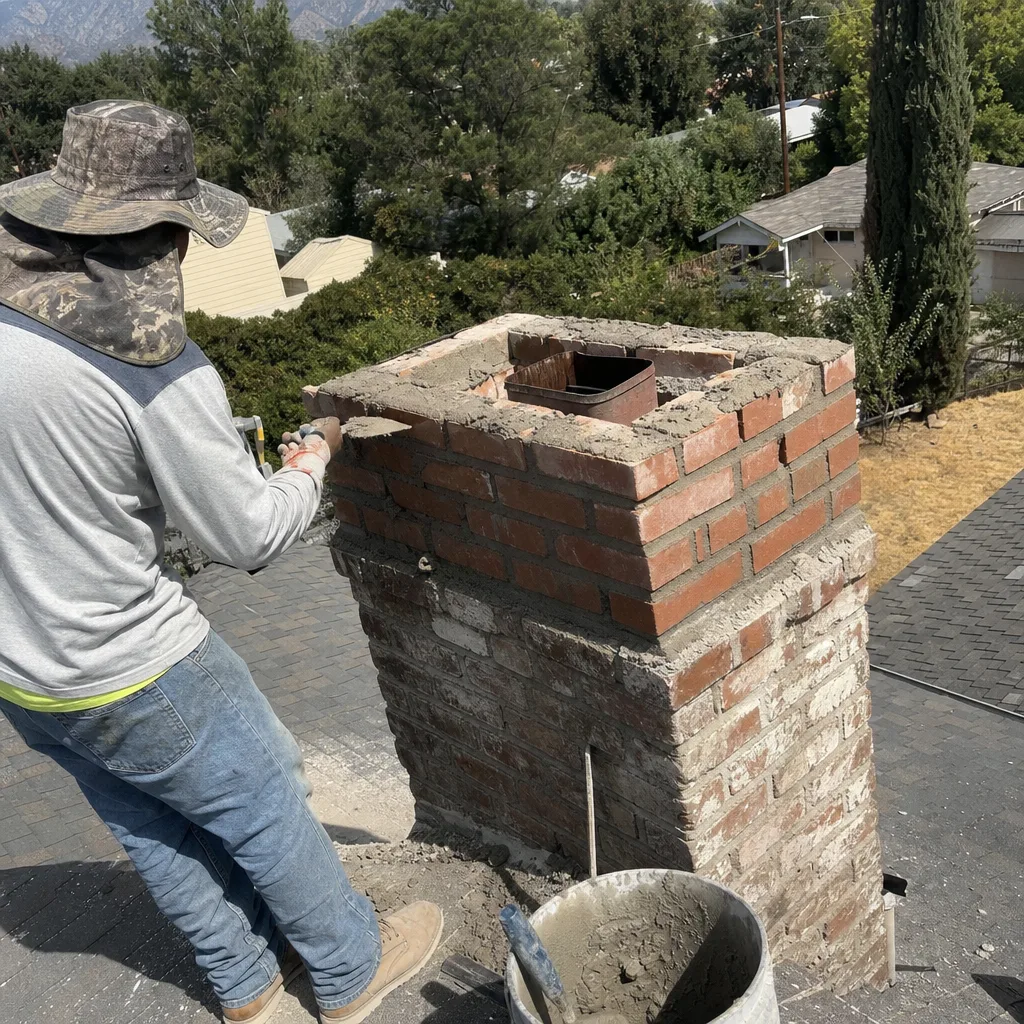
We’ve worked on homes in Bungalow Heaven where the original clay crown was replaced with a poured concrete crown in the 1980s. When that crown failed and needed rebuild, the Historic Preservation Commission required matching the original profile - not the 1980s modification. The homeowner needed both a building permit and historic review. Total timeline: 8 weeks versus 2 weeks for a non-historic property.
Madison Heights presents a different challenge: many homes have stucco-over-brick chimneys where the stucco is original to a 1920s Spanish Colonial design. Repairing spalling brick beneath requires stripping stucco, which triggers historic review if the stucco texture is characteristic. We’ve documented these conditions with our camera-scan and photo record (Haven Standard Clause 4) to help homeowners navigate the review process with clear evidence of structural necessity.
Seismic Bracing: Pasadena’s Local Amendment
Pasadena amended CBC Section 2113 to require seismic bracing for chimney reconstruction exceeding 50% of replacement cost. In practical terms: if your chimney needs extensive rebuild after earthquake damage or long-term deterioration, and the cost exceeds half of full replacement, bracing is mandatory. This isn’t a state requirement - it’s Pasadena-specific, driven by proximity to the Raymond Fault and the 1971 San Fernando earthquake experience.
The bracing requirement adds roughly $800-$1,500 to permitted rebuild costs. Unpermitted work skips this. We’ve inspected chimneys in the aftermath of the 2019 Ridgecrest aftershocks where unbraced, unpermitted rebuilds suffered damage that braced chimneys survived.
Repair Categories That Require a Pasadena Permit
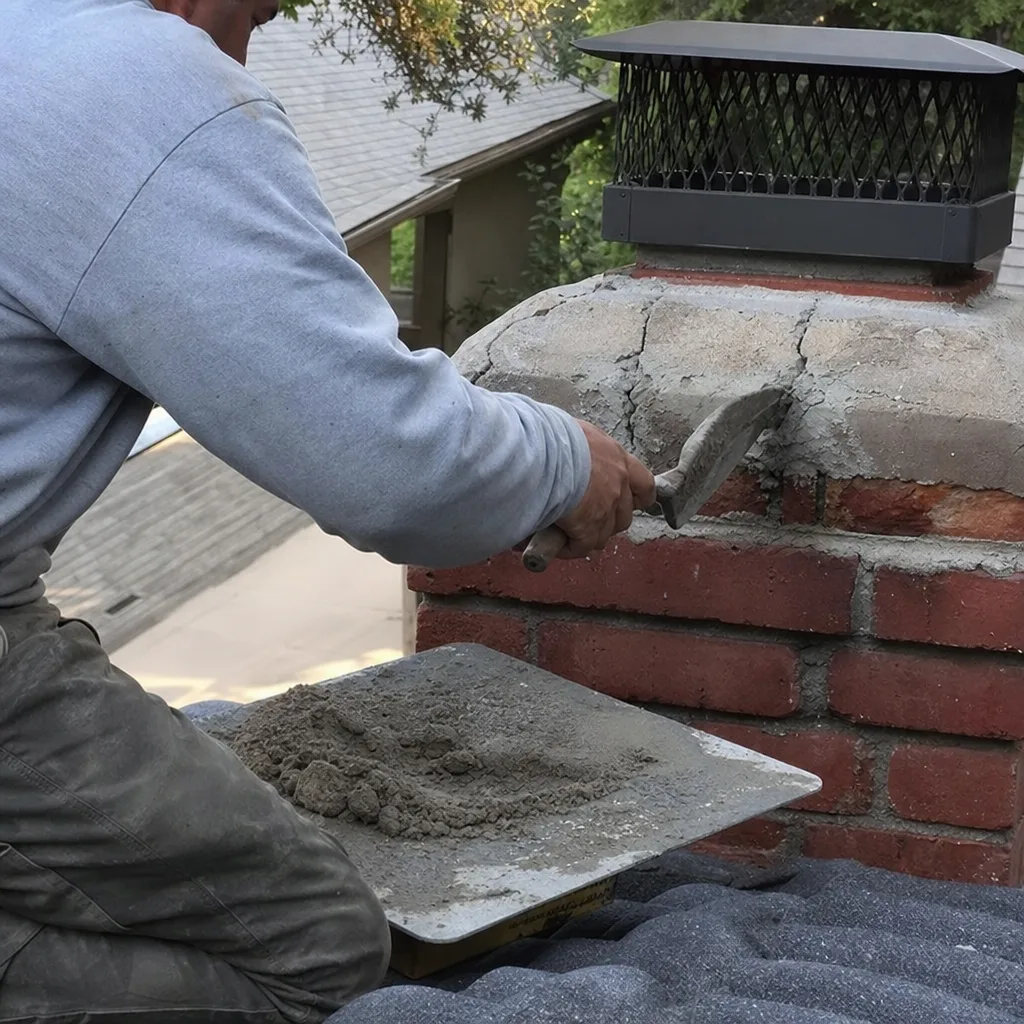
Here’s the specific line-item breakdown Pasadena Building & Safety uses. We’ve organized this as a decision tree based on what our technicians actually encounter.
1. Flue Liner Replacement or Relining
Any liner work beyond spot repair requires a permit. This includes:
- Stainless steel flexible liner installation (DuraFlex or equivalent)
- HeatShield cerfractory resurfacing exceeding 25% of flue surface area
- Clay tile replacement involving more than two individual tiles
- Cast-in-place liner installation
The permit application requires a liner sizing calculation based on appliance BTU output and flue dimensions. We provide this calculation from our NFPA 211 Level 2 inspection data. Building & Safety verifies the calculation against NFPA 54 (National Fuel Gas Code) or NFPA 211 as applicable.
2. Crown Rebuild or Replacement
Crown work requires permit when it involves formwork and poured material. Simple crack sealing with crown coat products (like those from Gelco or Copperfield) falls under maintenance if the crown structure is sound. We’ve documented the distinction with photo records showing when crown coat is sufficient versus when structural rebuild is necessary.
3. Firebox Reconstruction
Refractory panel replacement in prefabricated fireplaces is maintenance - if panels are listed replacements from the original manufacturer. Custom refractory work, firebox extension, or conversion from site-built to insert application requires permit.
4. Chase Modification
Factory-built chimney chase work - siding replacement, structural repair, dimensional change - all require permit. We’ve seen homeowners replace rotted chase siding with unlisted materials, creating both code violations and fire risks.
5. Clearance Modification
Any work that changes clearance to combustibles, including adding insulation, relocating framing, or modifying mantel projection. This is where gas insert installations often trip homeowners: the insert requires less clearance than the original fireplace, but the surrounding structure must still meet code for the installation method used.
Permit Cost Structure in Pasadena (2024-2025)
- Chimney liner replacement: $280-$420 permit fee + two inspections (rough and final)
- Crown rebuild: $180-$260 permit fee + one inspection
- Firebox reconstruction: $220-$340 permit fee + two inspections
- Historic district surcharge: additional $150 review fee, 2-4 week review timeline
These fees are trivial compared to the cost of unpermitted work discovered at sale. The escrow delay alone - typically 2-6 weeks - often costs more in carrying costs than the original permit would have.
How NFPA 211 Level 2 Inspections Function as Documentation
Here’s where our practice, established in 2009, intersects directly with code compliance. An NFPA 211 Level 2 inspection is not a formality. It’s the documentation baseline that building departments, insurers, and real estate disclosure processes all reference.
What NFPA 211 Level 2 Includes
- Visual inspection of accessible portions of the chimney exterior and interior
- Camera-scan inspection of the flue liner full length, from firebox to crown
- Inspection of smoke chamber, firebox, damper assembly, and accessible clearances
- Documentation of findings with photo or video record
- Written report of conditions, recommendations, and applicable code references
Clause 4 of the Haven Standard requires this photo record on every job - not as an upsell, but as standard practice. We’ve maintained this archive since 2009. When a Pasadena homeowner needs to document pre-existing conditions for a permit application, or prove that damage existed before a seismic event for insurance, this record is the evidence.
How Building Departments Use Level 2 Reports
Pasadena Building & Safety accepts a properly conducted Level 2 inspection as supporting documentation for permit applications. The report establishes:
- Existing conditions before work begins (required for “before and after” verification)
- Technical justification for the scope of proposed work
- Liner sizing calculations and appliance compatibility
- Clearance measurements that may affect permit requirements
We’ve had permit applications returned for “insufficient documentation” when homeowners submitted competitor reports lacking camera footage or detailed measurements. A flashlight look and a checklist don’t suffice.
Insurance and Real Estate Applications
After the 2025 California wildfire season, several insurers began requiring documented chimney inspection records for homes in high-fire-risk zones - including portions of the San Gabriel foothills adjacent to Pasadena. Our documented photo records have helped homeowners satisfy these requirements without additional inspection costs.
In real estate transactions, a Level 2 report with photo documentation satisfies the fireplace disclosure requirement under California Civil Code Section 1102.6. An unpermitted modification, by contrast, creates a disclosure defect that can void the sale or trigger post-sale liability.
Gas vs. Wood-Burning: Different Code Paths
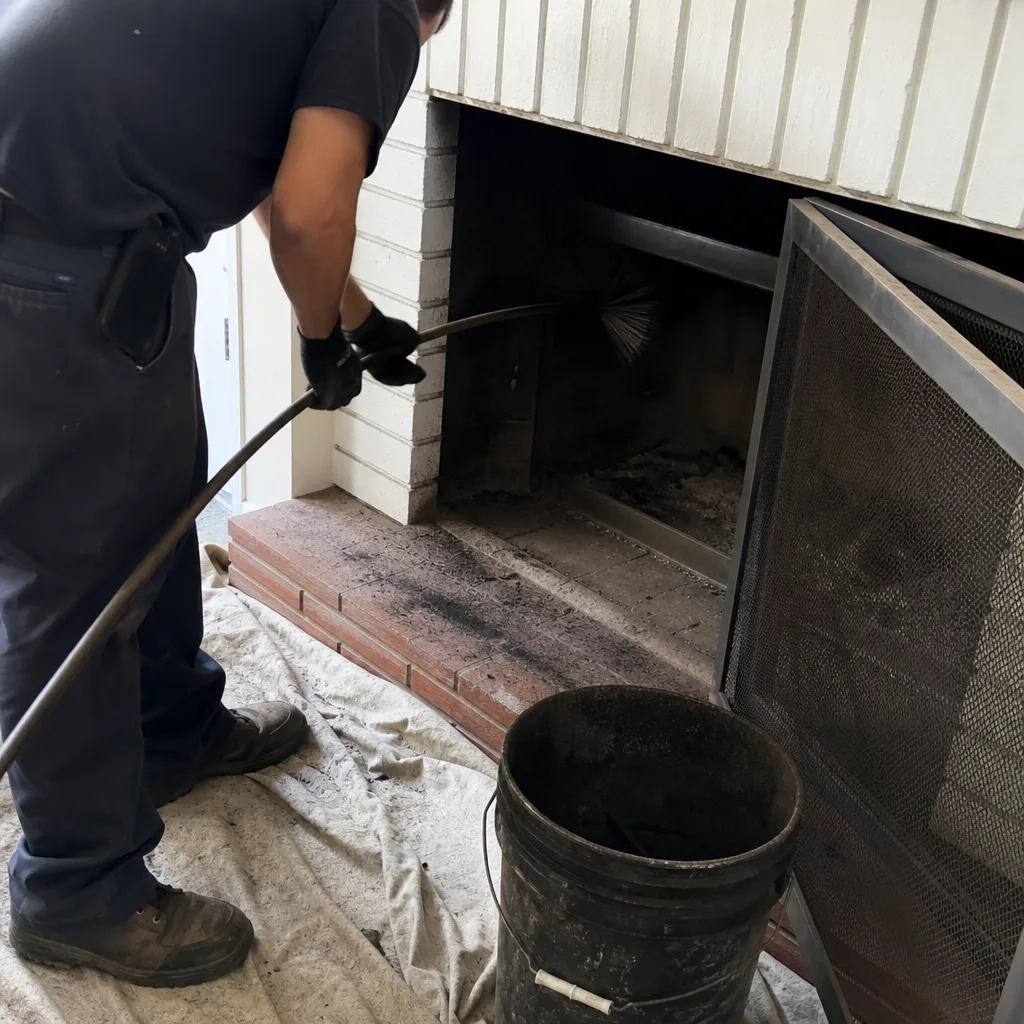
Most Pasadena homeowners conflate chimney standards. The inspection requirements, cleaning protocols, and code triggers differ substantially between gas and wood-burning systems. Here’s the separation.
Wood-Burning Systems: The Creosote Standard
Wood-burning chimneys accumulate creosote - a tar-like combustion byproduct classified by NFPA 211 into three classes:
- Class I: Soot and light powder, easily brushed. Routine cleaning removes it.
- Class II: Granular or flaky deposits, requires more aggressive sweeping. Still routine maintenance.
- Class III: Glazed, hardened creosote, often described as “tar-like” or “dripping.” This is a hazardous condition requiring chemical treatment or mechanical removal. In our experience, Class III creosote in Pasadena correlates with burning unseasoned oak or eucalyptus - common in the Arroyo Seco area where homeowners collect fallen wood.
Class III creosote removal is still maintenance, not repair. But the conditions that allow Class III buildup - restricted airflow, oversize flue, smoldering fires - often indicate liner or appliance problems that may require permitted correction.
Gas Systems: The Corrosion and Debris Standard
Gas fireplaces don’t produce creosote. Their chimneys accumulate:
- Debris from deteriorated chase covers or missing caps (leaves, animal nesting)
- Corrosion products from condensing flue gases, especially in high-efficiency appliances
- Construction debris from original installation or subsequent modifications
The inspection standard for gas is different. NFPA 54 requires verification of proper draft, combustion air supply, and venting configuration. A gas chimney with a “clean” flue may still have dangerous venting problems. We’ve found improperly converted wood-to-gas installations where the original flue was never resized - a code violation that doesn’t reveal itself until a Level 2 inspection measures actual draft performance.
Code Trigger Differences
Wood-to-gas conversions require permit in all cases - this is an appliance change, not maintenance. Gas-to-gas replacement (like-for-like) does not, unless venting configuration changes. We’ve documented cases where a “simple” insert replacement required chase modification to accommodate a new vent terminal, triggering permit requirements the homeowner didn’t anticipate.
Pasadena’s Air Quality Overlay
The South Coast Air Quality Management District (SCAQMD) imposes additional requirements on wood-burning devices in Pasadena. Rule 445 prohibits installation of new non-certified wood-burning devices. Existing devices are grandfathered, but replacement triggers current certification requirements. This means a permitted rebuild of a wood-burning fireplace may require conversion to gas or installation of a certified insert - a cost implication many homeowners don’t foresee.
Common Mistakes to Avoid
- Assuming the sweep will handle permits. Most chimney cleaning companies are not licensed contractors and cannot pull permits. In Pasadena, only a C-29 (Masonry) or C-36 (Plumbing, for gas venting) contractor, or the homeowner themselves, can apply. We tell clients explicitly when permit work is needed and provide documentation they or their contractor can use.
- Accepting “permit not required” at face value. We’ve heard this from competitors about liner replacements that clearly triggered Section 2113.3. The test: will the work change the structure, materials, or clearances of the chimney system? If yes, verify independently with Pasadena Building & Safety at (213) 459-6058.
- Skipping the Level 2 inspection before purchase. In Pasadena’s competitive market, buyers waive inspections. A $250-$350 Level 2 inspection before closing would have revealed the unpermitted liner work that cost our Madison Heights client six weeks and thousands in remediation.
- Confusing “licensed” with “permitted.” A C-29 contractor can perform work without pulling a permit. The homeowner still bears liability. Always request the permit number and verify it on Pasadena’s online permit portal.
- Ignoring historic district rules until work starts. Bungalow Heaven’s review timeline adds 2-4 weeks. Starting demolition before review completes can trigger stop-work orders and fines. We flag historic district status in our initial inspection report.
- Using uncertified materials for permitted work. Building & Safety inspectors reject liners, caps, and crowns without proper listing labels. Our materials from DuraFlex, HeatShield, and Copperfield carry full certification documentation - a requirement we established under Haven Standard Clause 4 before regulators asked for it.
- Failing to request final inspection. Rough inspection approves the work method. Final inspection, after completion, is what closes the permit and creates the record of code-compliant work. We’ve seen homeowners pay for permitted work that was never finalized - functionally equivalent to unpermitted work for disclosure purposes.
When to Call a Professional
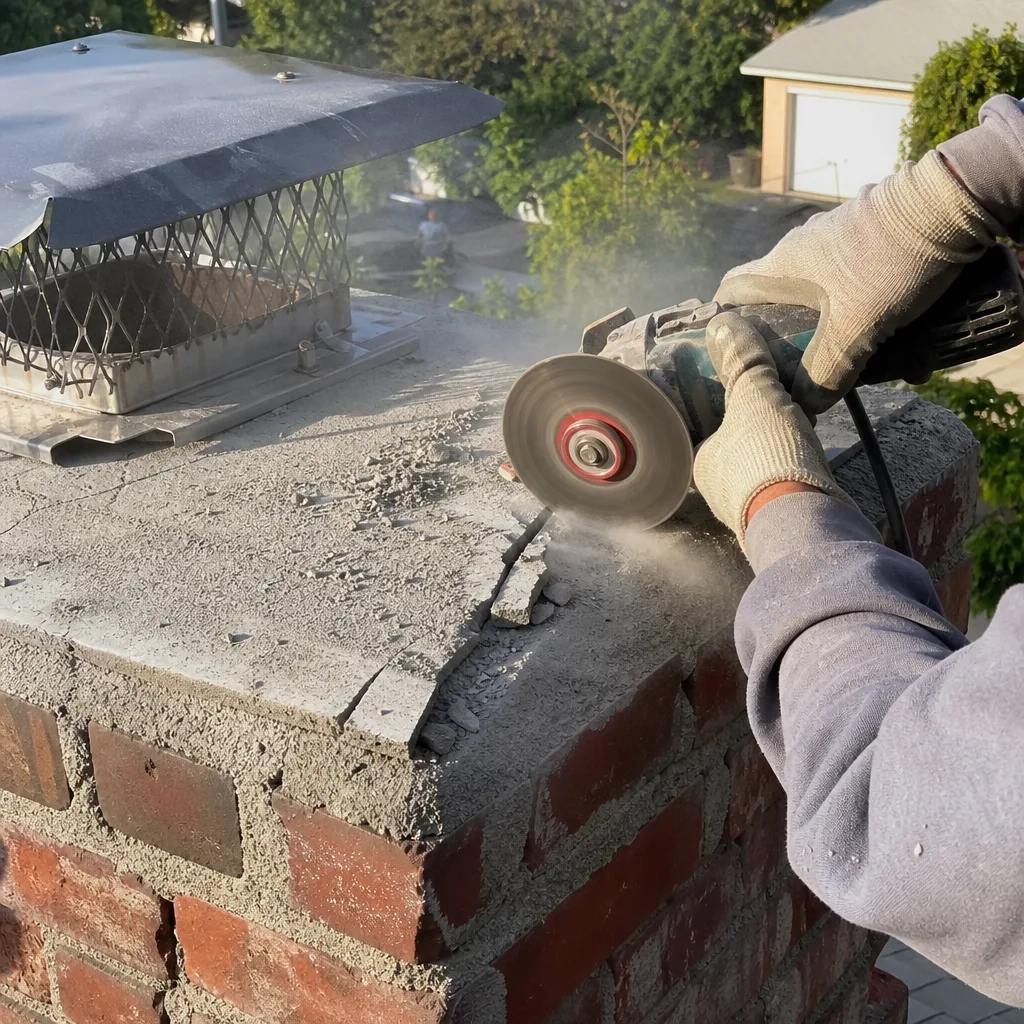
Call for a professional chimney evaluation when: you’re buying a home and need pre-purchase documentation; you’ve been told you need “major repair” without camera evidence; you’re selling and want to preempt disclosure issues; your chimney hasn’t been inspected in over 12 months; or you smell smoke, notice drafting problems, or see exterior deterioration. Level Two Chimney Pasadena offers free estimates in Pasadena - call (213) 459-6058. Every estimate includes a written price before work starts, and we provide free second opinions on any competitor’s written quote. Our background-checked, uniformed technicians arrive on schedule with license information displayed, and you’ll receive a text when your technician is en route.
Frequently Asked Questions
No. Routine chimney sweeping, inspection, and minor maintenance require no building permit under California Building Code Section 2113 or Pasadena Municipal Code Chapter 14.08. For step-by-step maintenance guidance, see our Chimney Cleaning & Sweep Maintenance Checklist for Pasadena Homeowners. Call (213) 459-6058 for a written estimate on cleaning - estimates are free.
Chimney cleaning in Pasadena typically ranges from $225-$375 for a standard sweep with NFPA 211 Level 2 camera inspection included. Historic district homes or those with Class III creosote may run higher due to additional labor or chemical treatment. We deliver a written price before any work starts - no exceptions, per Haven Standard Clause 1. Browse our more guides & resources for additional homeowner references.
Flue liner replacement, crown rebuilds, firebox reconstruction, and chase modifications all require permits. Minor mortar repointing under 10% of surface area and like-for-like cap replacement do not. We document findings with photos and specify in our written report which conditions trigger permit requirements.
Wood-burning systems: annually if used regularly, per NFPA 211. Gas systems: inspection every 1-2 years, with cleaning as needed based on debris accumulation. Pasadena’s mild climate means less thermal cycling than mountain areas, but Santa Ana wind events can drive debris into uncapped chimneys - we’ve found significant nesting material after single windstorms.
Cleaning removes deposits but doesn’t repair cracked, missing, or improperly sized liners. We show you camera footage of the actual condition and explain what the image means. If the liner is structurally sound, we’ll say so plainly - work that can safely wait is identified as such. No recommendation is made without photo evidence you can see yourself. Call (213) 459-6058 to schedule an inspection with documented photo record.
Accumulated creosote in wood-burning systems creates chimney fire risk - temperatures can exceed 2,000°F and damage the liner or ignite adjacent structure. Gas systems with blocked or deteriorated vents can spill carbon monoxide into living space. Both risks are preventable with routine inspection. The cost of annual inspection is minor compared to the consequences of neglect.
The Bottom Line
Chimney cleaning itself is permit-free in California, but the repairs it reveals often aren’t. Pasadena’s local rules - historic district review, seismic bracing requirements, and SCAQMD air quality overlays - add complexity that generic advice misses. The protective step is documentation: an NFPA 211 Level 2 inspection with camera-scan photo record establishes baseline conditions, identifies what requires permitting, and creates the evidence trail that protects you at sale, claim, or inspection. We’ve delivered this standard on every job since 2009 because uncoded work eventually finds its way back to the homeowner - usually at the worst possible moment.
Written by Corrine Halstead, Owner at Level Two Chimney Pasadena, serving Pasadena since 2009.