
Last updated September 22, 2026
Level 1 sweep and inspection to the NFPA 211 annual standard - flue, crown, cap, and flashing checked and photographed
Chimney sweep logs do not sweep chimneys. They loosen some creosote - which then falls where a brush and vacuum still have to collect it.
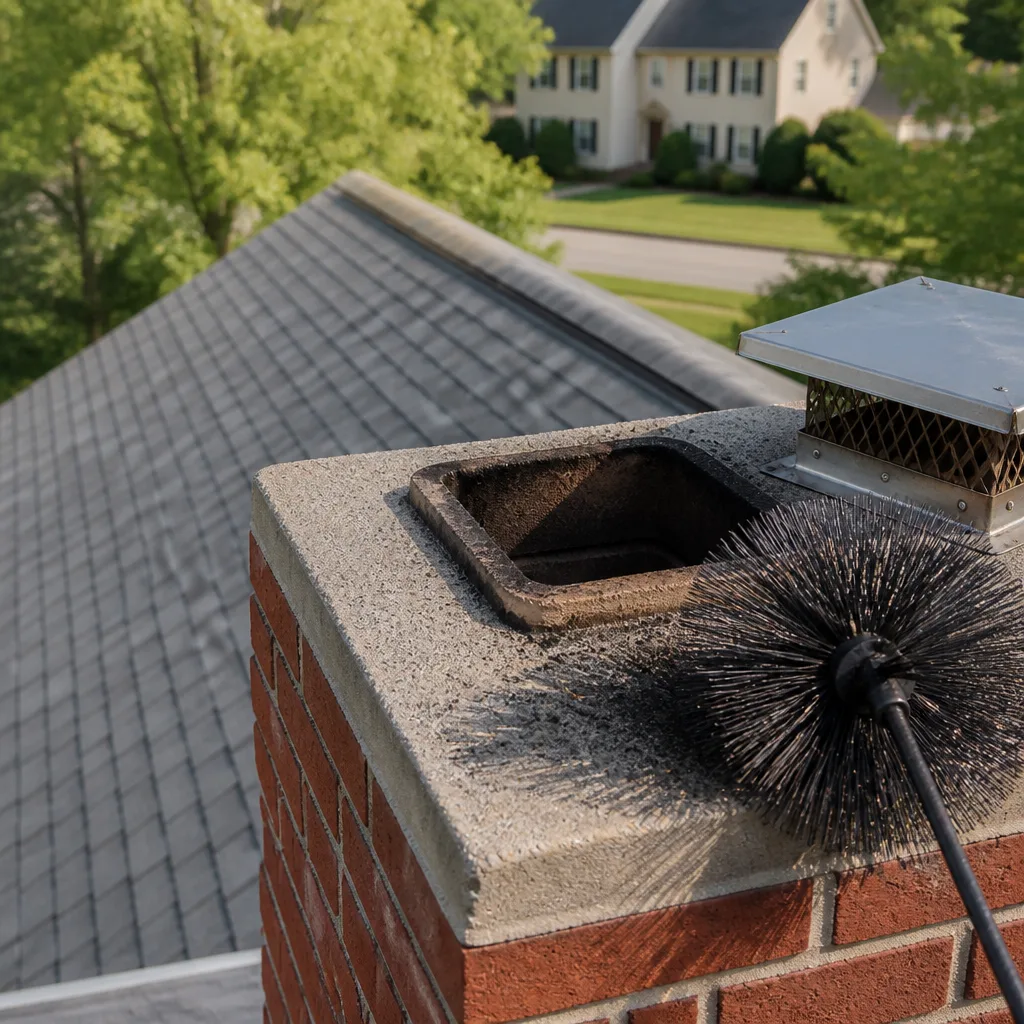
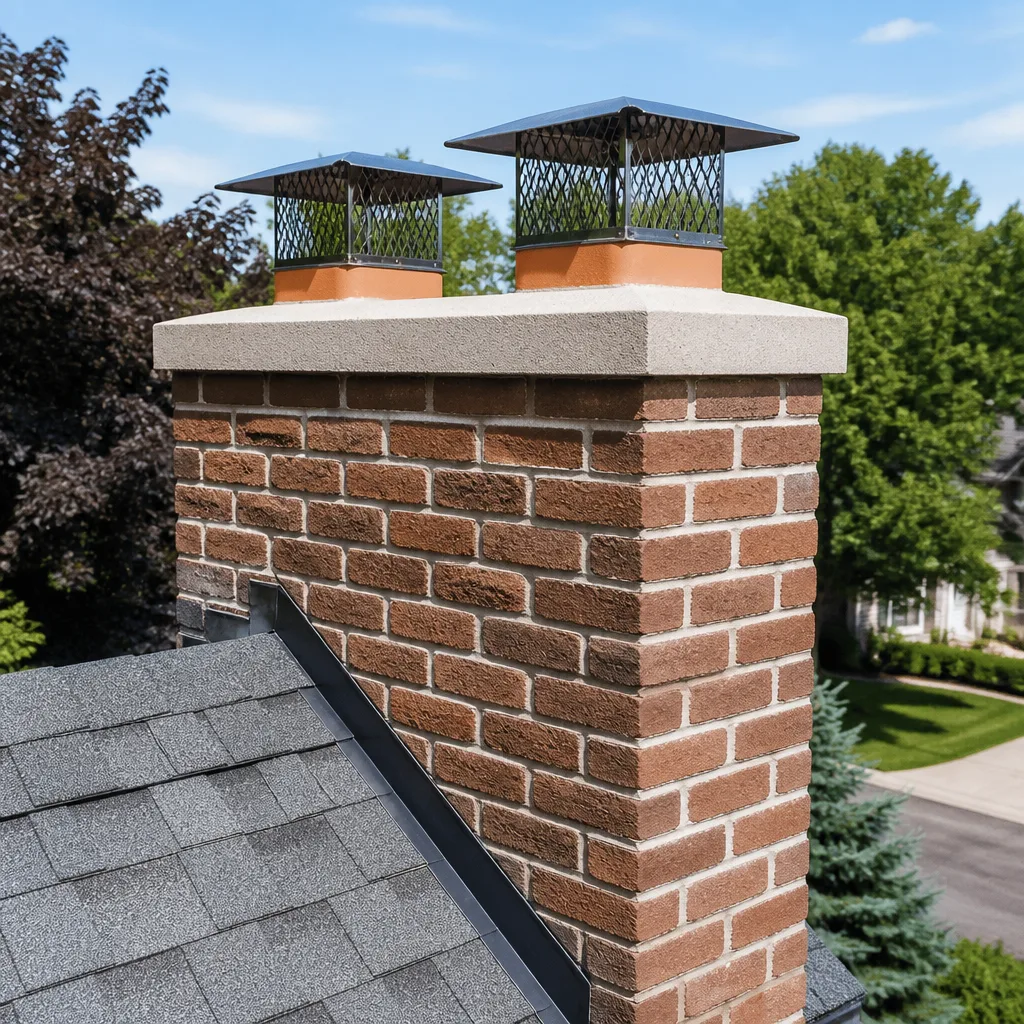
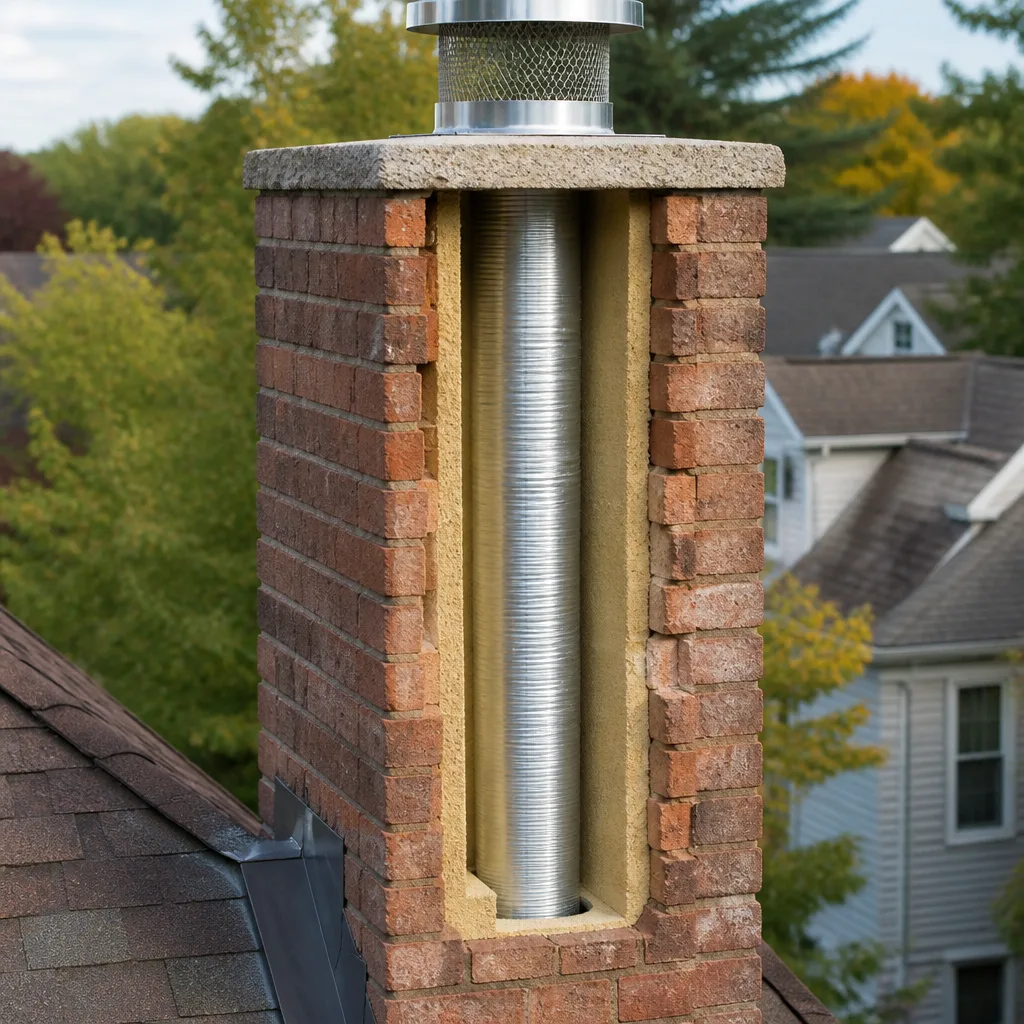
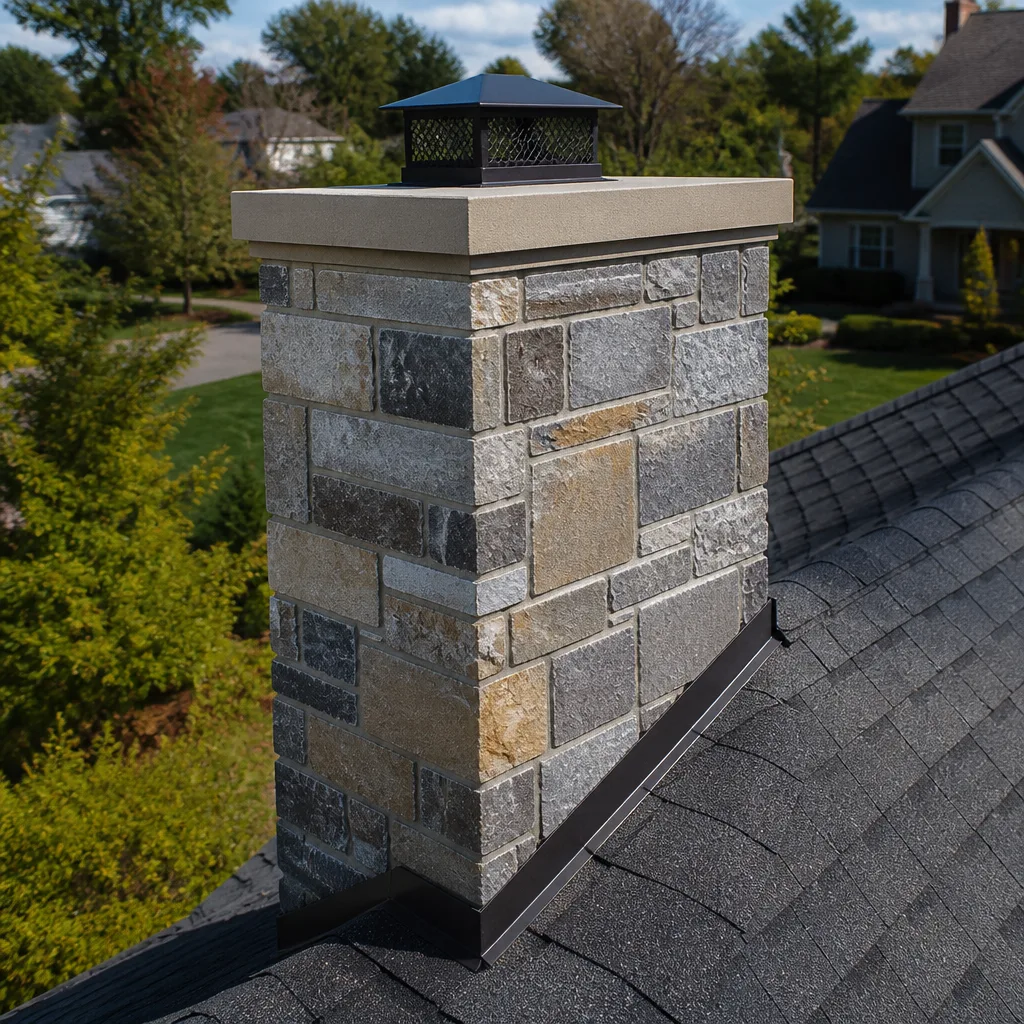
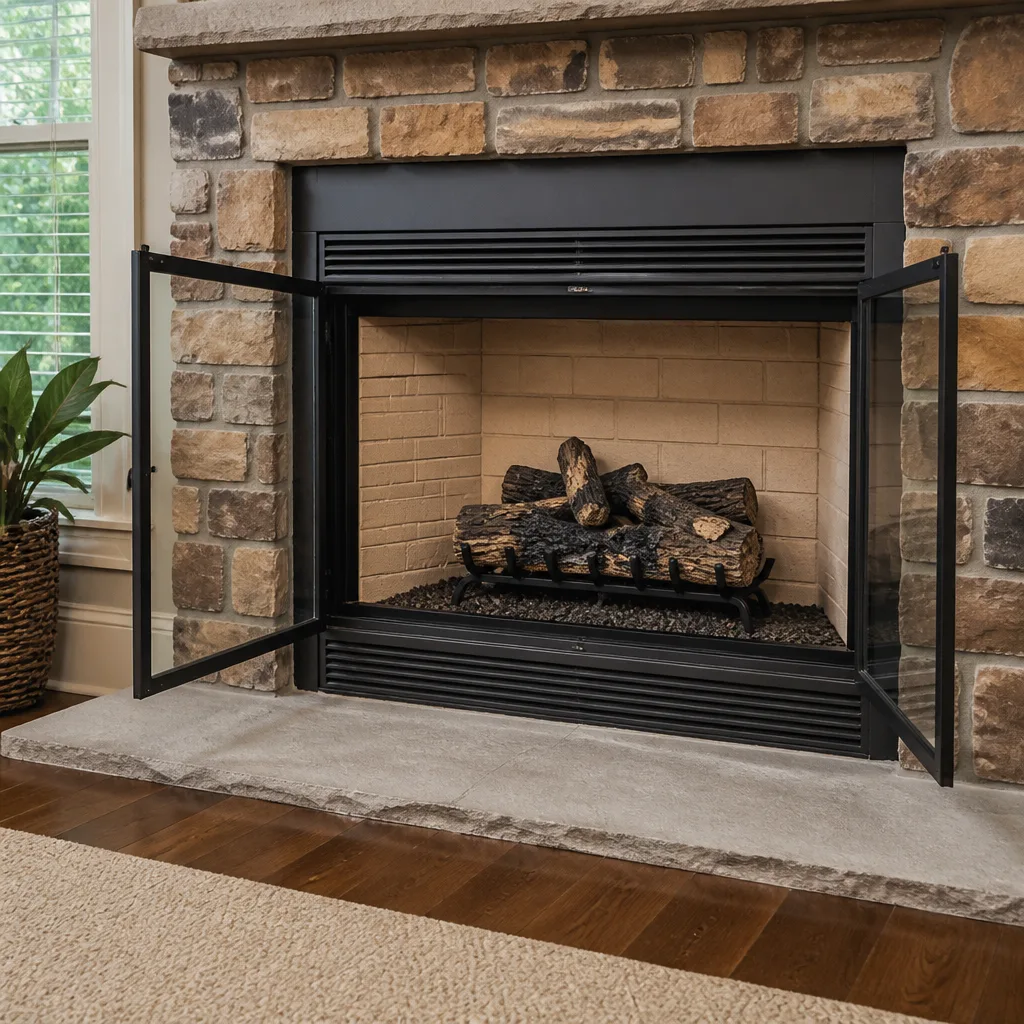
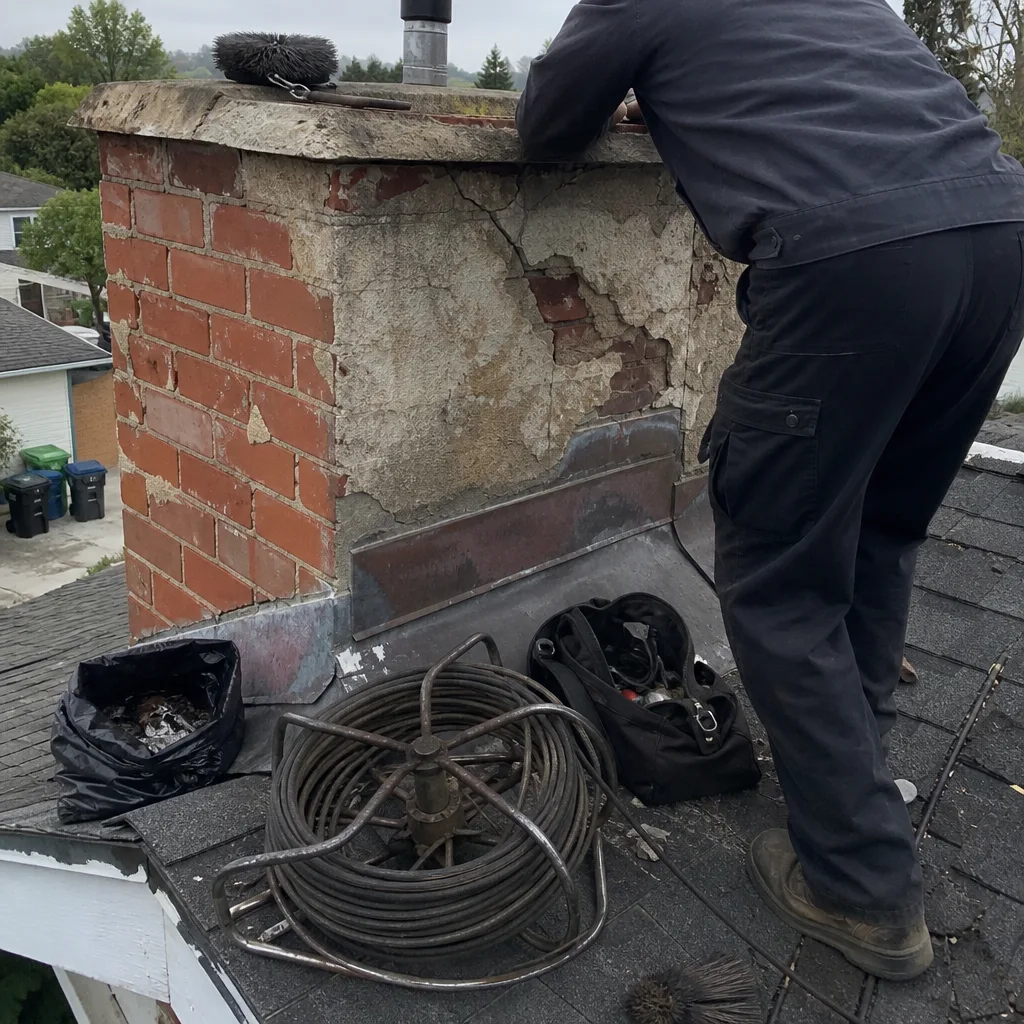 Before
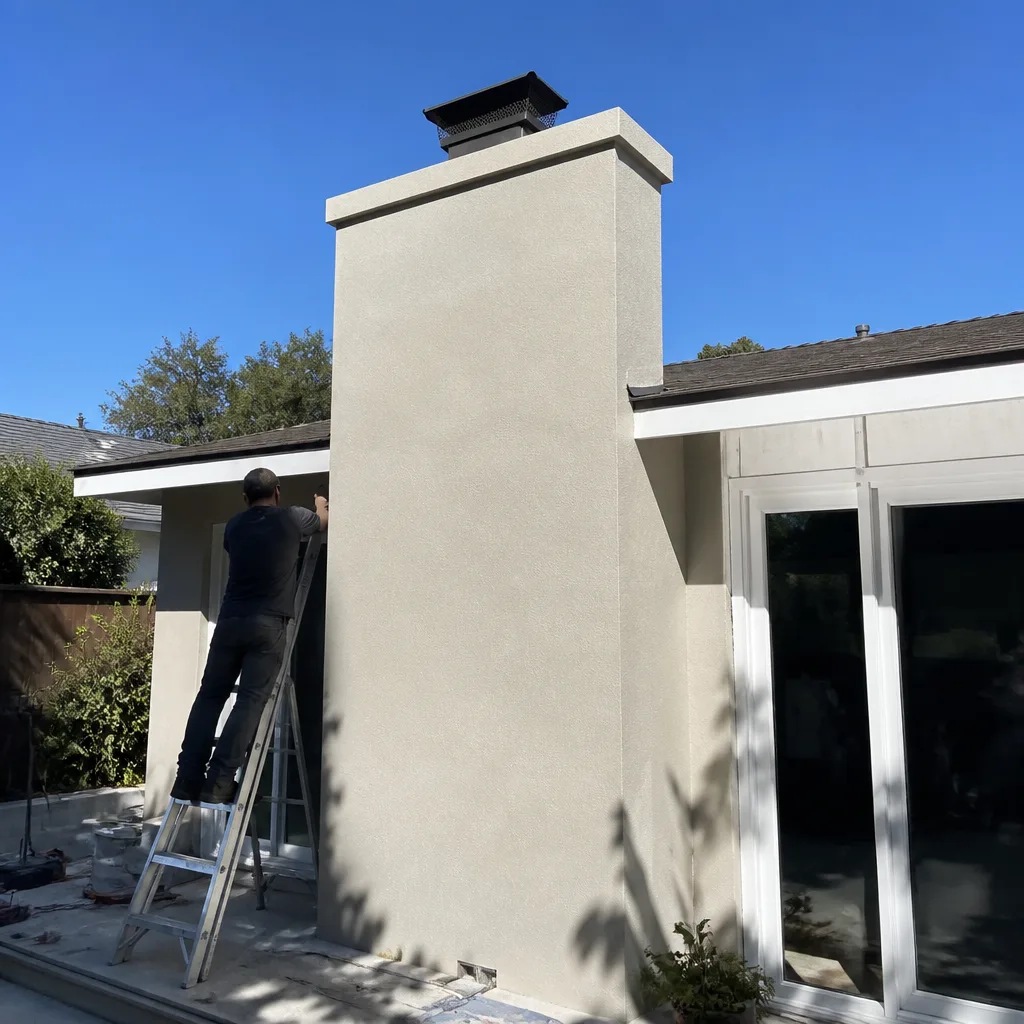 After
After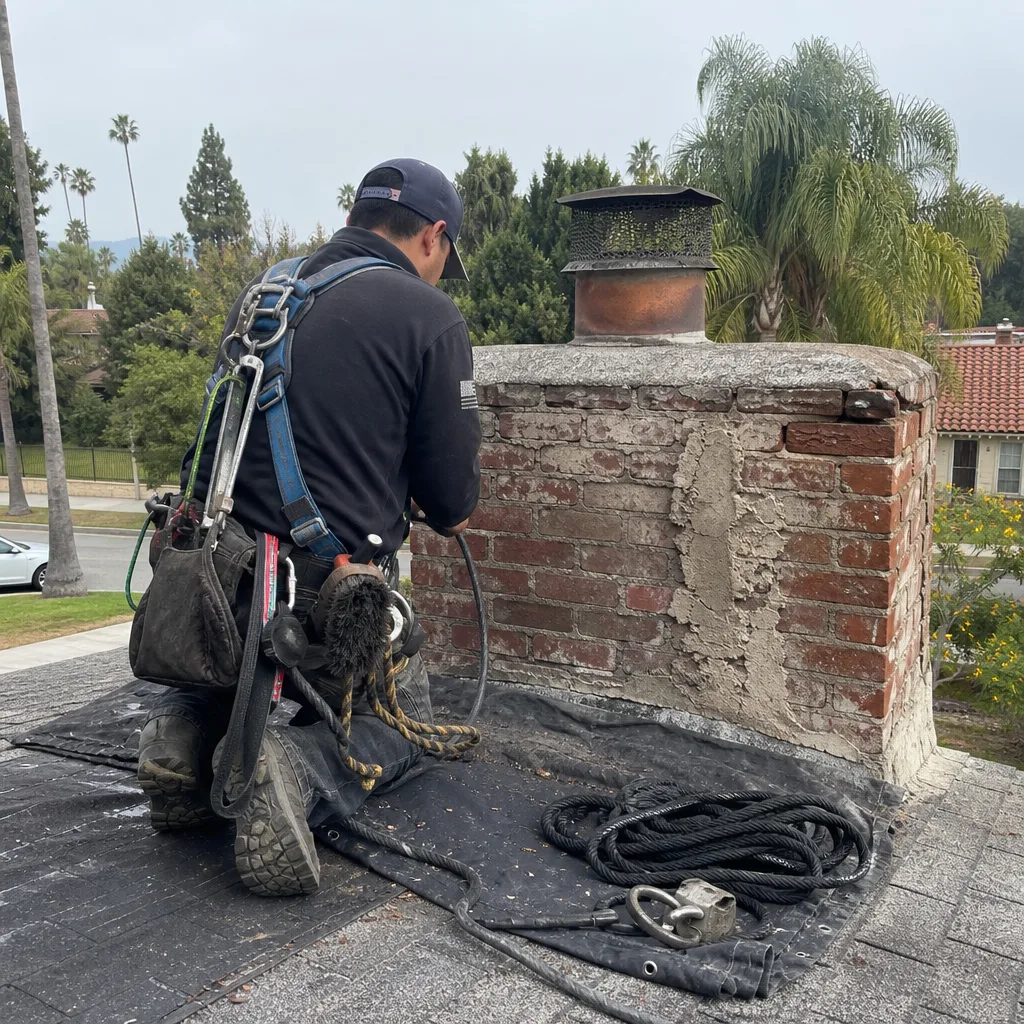 Before
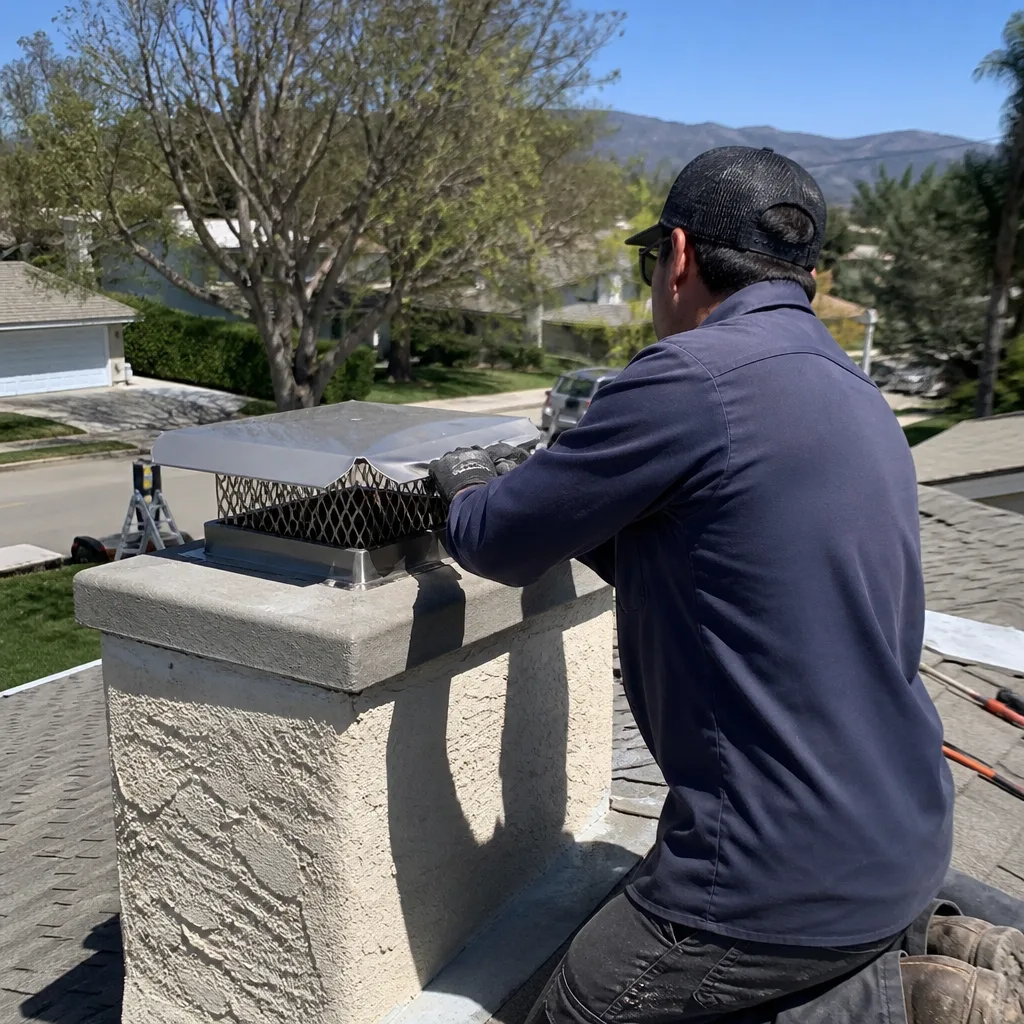 After
After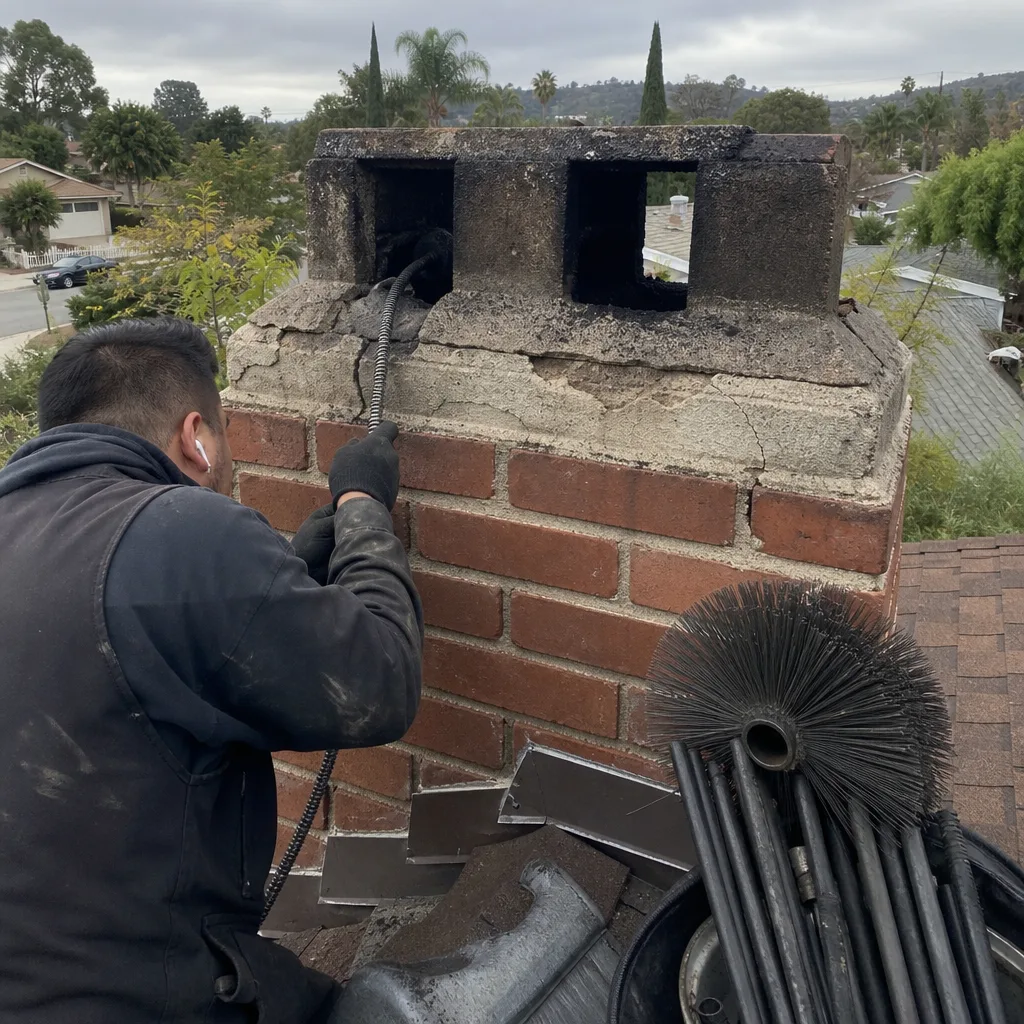 Before
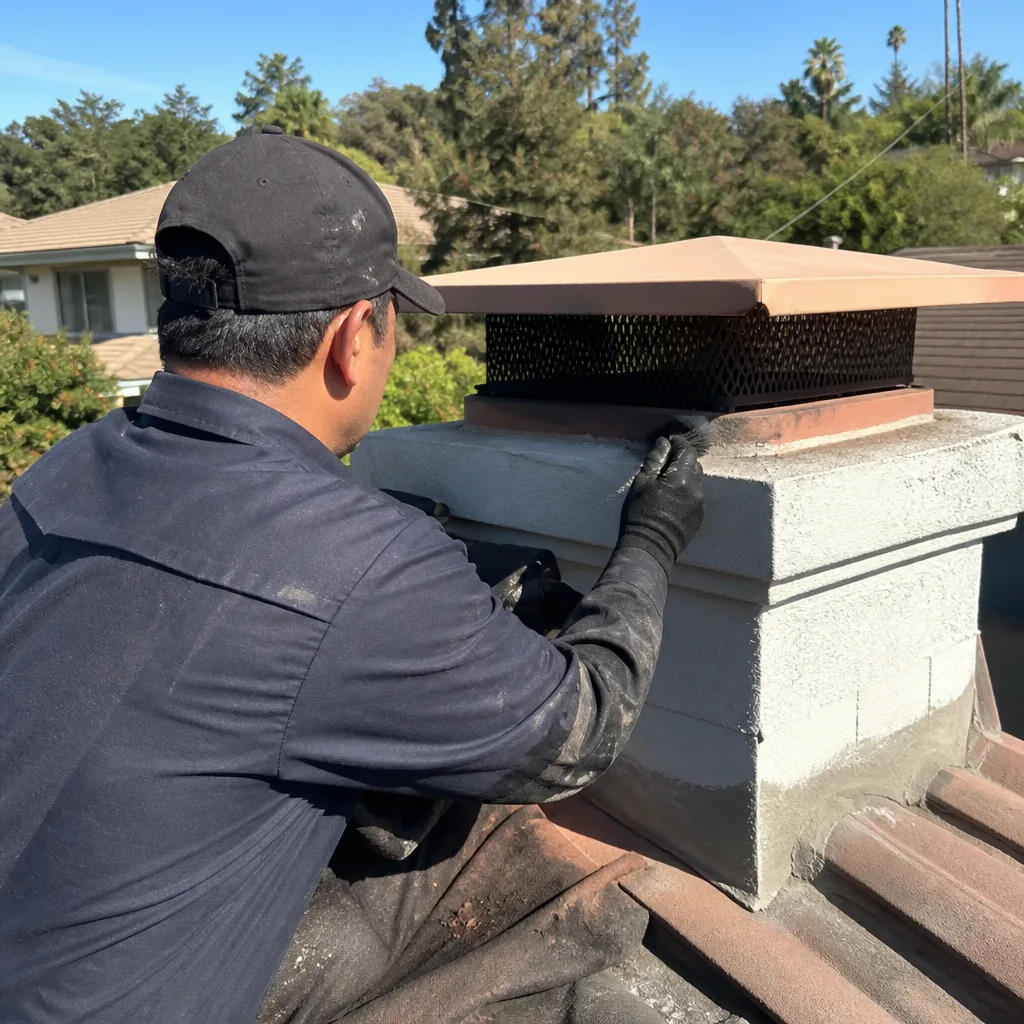 After
AfterThe Complete Guide to Chimney Cleaning in Pasadena
Most Pasadena homeowners who paid for a chimney cleaning in the last three years received a verbal “all clear” and a credit-card receipt - neither of which would satisfy a homeowner’s insurance claim or a real-estate disclosure. In our work across Pasadena since 2009, we’ve found that the difference between a proper cleaning and a rushed brush job often comes down to whether the homeowner knew what steps to expect and what paperwork to demand. This guide maps every step of a legitimate chimney cleaning, names the documentation each step produces, and gives you a framework to audit your own service receipt - whether you hire us or someone else. For how to hire a chimney cleaning contractor in Pasadena: a step-by-step guide, see our companion resource.
Quick Answer
A proper chimney cleaning in Pasadena runs $189-$349 for a standard wood-burning fireplace with a single flue, and it includes a camera-documented Level 2 inspection under NFPA 211, written findings, and a photo record of the flue condition before and after. Pasadena’s hillside fire-risk zones and marine-layer humidity mean most homes need this service annually, not on the inland California every-other-year schedule. The technician should hand you four things before leaving: a written scope of work, dated photos of the flue interior, a notation of creosote stage found, and a written warranty or promise document.
Table of Contents
- What Chimney Cleaning Actually Includes (And What Most Companies Skip)
- Why Pasadena’s Fire-Risk Zones and Humidity Change Everything
- Level 1 vs. Level 2: The Inspection Standard That Separates a Sweep from a Scam
- The 7-Step Process Every Cleaning Should Follow
- The Documentation Checklist: What You Should Walk Away With
- What Chimney Cleaning Costs in Pasadena (2024 Pricing)
- The NFPA 211 Checklist You Can Use to Audit Any Invoice
- Common Mistakes to Avoid
- When to Call a Professional
- Frequently Asked Questions
BeforeAfterWhat Chimney Cleaning Actually Includes (And What Most Companies Skip)
Chimney cleaning is not a single action. It’s a sequence of distinct operations, each with a measurable output. When we started Level Two Chimney Pasadena in 2009, we made camera-scan documentation the default on every job - years before insurers or regulators asked for it - because a brush passing through a flue you can’t see proves nothing.
Here’s what the service actually comprises:
- Pre-inspection of the firebox and hearth area. The technician examines the firebox for cracked bricks, deteriorated mortar joints, and proper clearances to combustibles. In Pasadena’s older homes, especially in Bungalow Heaven and the Madison Heights area, we regularly find fireboxes built before modern NFPA clearances were codified.
- Flue cleaning with appropriate tools for the liner material. Clay tile flues, stainless steel liners, and cast-in-place systems each require different brush types and rotation speeds. Using a steel brush on a stainless liner scores the metal. Using a poly brush on glazed creosote accomplishes nothing.
- Smoke chamber and smoke shelf cleaning. The smoke chamber is the area above the damper that funnels smoke into the flue. It’s often the most heavily sooted area and the hardest to reach. A proper cleaning includes this; a rushed job skips it.
- Debris removal and disposal. Creosote is classified as hazardous waste in California. The technician should remove it from your property, not leave it in your trash cans.
- Camera inspection of the flue interior. This is the step most companies skip. Without it, “clean” is a guess.
- Written documentation of findings and condition. Verbal reports are worthless for insurance, real estate disclosure, or your own records.
The gap between what cleaning legally means and what it should mean is where homeowners lose money. California does not regulate chimney sweeps at the state level. Anyone with a brush and a van can advertise the service. The NFPA 211 standard is voluntary unless your insurer or local ordinance requires it. In Pasadena, the hillside fire-risk zones (HF-1 and HF-2 designations) don’t mandate chimney inspections for existing homes, but they do affect insurance underwriting - and insurers increasingly ask for documentation.
We’ve cleaned chimneys in Pasadena where the previous “sweep” had never run a camera, never written a finding, and never informed the homeowner that their clay tile liner was cracked at the second course - a condition that channels heat directly into the framing. The homeowner paid $89 for that service. They were quoted $4,200 for fire damage repair six months later.
Why Pasadena’s Fire-Risk Zones and Humidity Change Everything
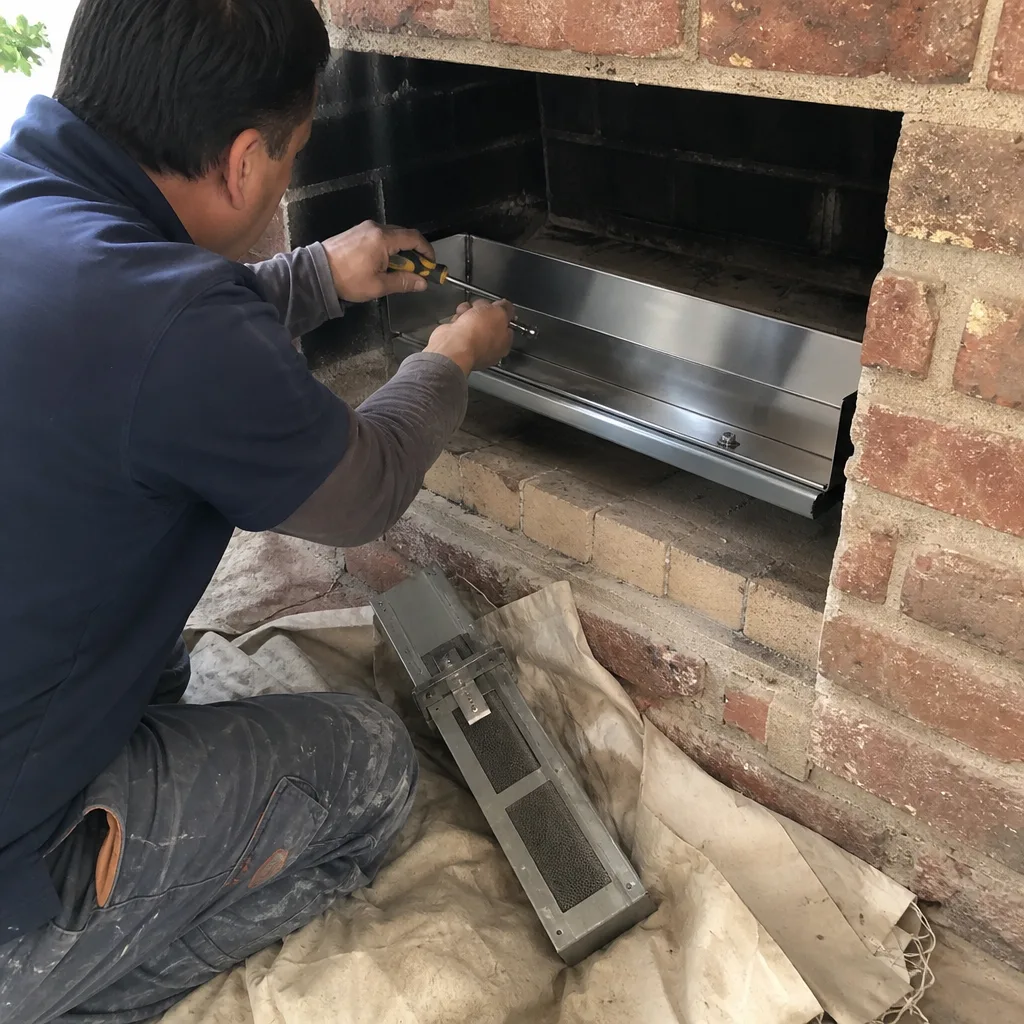
Pasadena sits in a unique climate pocket. The San Gabriel Mountains block inland heat, but they also create thermal updrafts that pull coastal moisture into the foothill neighborhoods. This matters for chimney maintenance in ways that inland California guides get wrong.
Marine-layer moisture and creosote chemistry. Pasadena’s overnight humidity, especially from October through May, keeps chimney interiors damp longer than the Central Valley or Inland Empire. Moisture + wood smoke residue = accelerated creosote formation, particularly the glazed, tar-like Class III creosote that standard brushes won’t remove. In our work around Linda Vista and the Arroyo Seco, we see Class III buildup in homes that burn only two cords of oak per year - half the volume that produces equivalent buildup in drier climates.
Pepper tree debris. The California pepper tree (Schinus molle) is everywhere in Pasadena’s older neighborhoods. The fine leaf litter and berry residue that accumulates on roofs and in chimney caps breaks down into acidic compounds. When it mixes with rain runoff and enters the flue through a missing or damaged cap, it accelerates deterioration of clay tile mortar joints. We document this pattern regularly in inspections around Washington Square and the Caltech vicinity.
Hillside fire-risk zones and insurance documentation. Pasadena’s HF-1 and HF-2 zones - roughly, everything north of the 210 freeway and the steep slopes above the Arroyo - face heightened wildfire exposure. Several insurers serving these neighborhoods now require documented chimney condition for policy renewal. A verbal “clean” from a sweep without photo evidence does not satisfy this requirement. We’ve had Pasadena homeowners call us in November, panicked because their insurer gave them 30 days to produce documentation or face non-renewal.
The burning season mismatch. Pasadena’s coolest months are December through February, but the marine layer is thickest November through April. This means the chimney is often damp when first used, and the first fires of the season are the most creosote-producing. We recommend scheduling cleaning in September or early October, before the first fire and before the October-November booking rush.
Level 1 vs. Level 2: The Inspection Standard That Separates a Sweep from a Scam
The National Fire Protection Association’s NFPA 211 standard defines three levels of chimney inspection. Most Pasadena homeowners have never heard of them. Most sweeps hope it stays that way.
Level 1 Inspection is a visual examination of readily accessible portions of the chimney exterior and interior, without specialized tools. It’s appropriate when no changes have been made to the system and the appliance is being used as it was before. A flashlight look up the flue from the firebox is a Level 1. So is a mirror on a pole. These methods cannot see past the first bend, cannot assess liner condition above the smoke chamber, and cannot document anything for insurance or real estate purposes.
Level 2 Inspection is what we perform on every Chimney Cleaning & Sweep in Pasadena. It includes everything in Level 1, plus:
- Video scanning of the flue interior with a camera capable of 360-degree rotation and image capture
- Inspection of accessible portions of the attic and crawl space for proper clearances and chimney support
- Examination of the chimney exterior from roof level, including crown, cap, flashing, and masonry condition
- Written documentation of all findings with photo or video evidence
Level 2 is required by NFPA 211 when a property is changing hands, after a chimney fire or other damage event, or when the appliance or fuel type has changed. In our view, it’s also the minimum any homeowner should accept for routine maintenance - because without it, you don’t know what you’re not seeing.
Level 3 Inspection involves demolition of building materials to access concealed portions of the chimney. It’s rare, and it’s only performed when Level 2 indicates a serious hazard that cannot be evaluated otherwise.
The cost difference between Level 1 and Level 2 is often $60-$120. The information difference is potentially thousands in prevented damage, or a denied insurance claim when damage occurs.
When we founded Level Two Chimney Co. in 2009, we made Level 2 the default on every job. That practice became Clause 4 of the Haven Standard: documented photo record on every visit, no exceptions. We’ve completed more than 38,000 chimney inspections and cleanings since then, every one with a written price before work started and a documented record when done.
The 7-Step Process Every Cleaning Should Follow
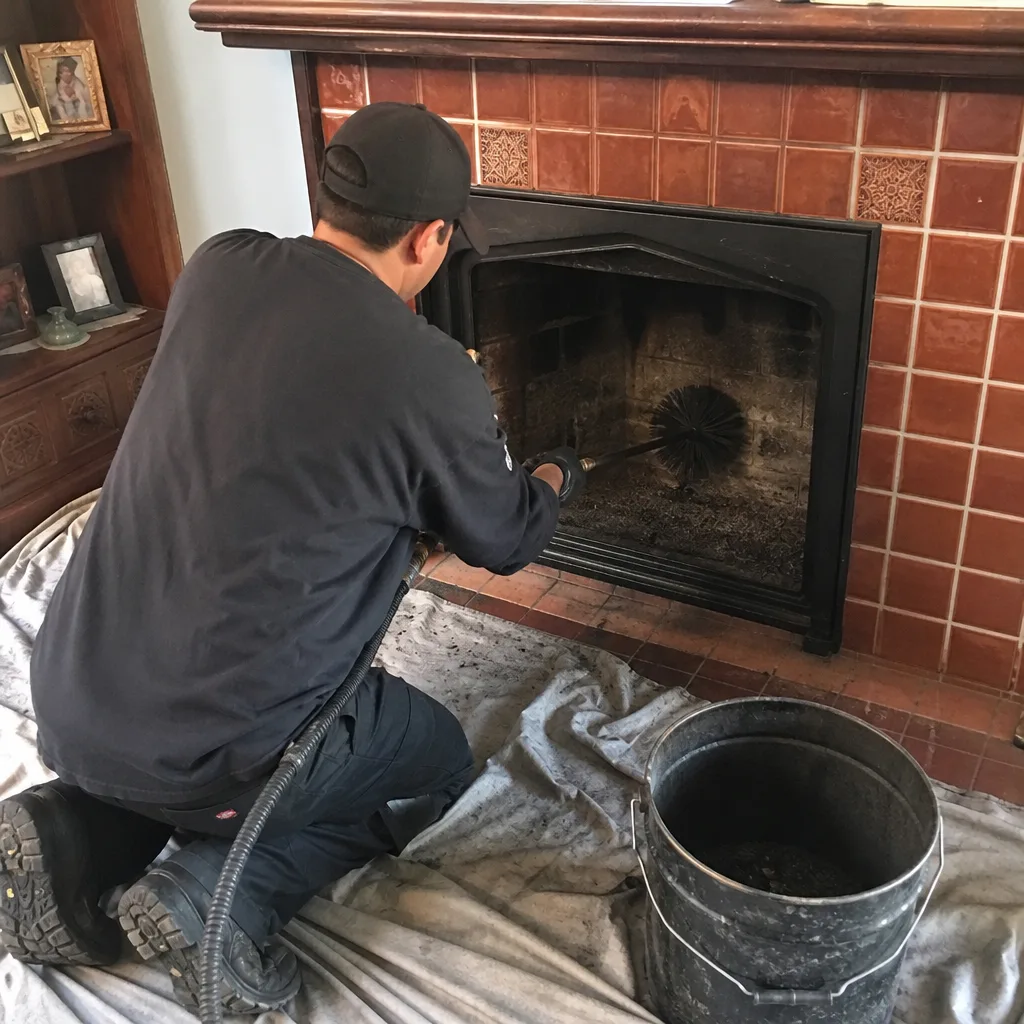
This is the sequence we use on every job. You can ask any sweep to confirm they follow it, or check your receipt against it afterward.
- Arrival and protection. The technician lays drop cloths from the entry door to the fireplace and covers nearby furniture. They should arrive in a marked vehicle, in uniform, with a name you were given in advance. Our technicians are background-checked, and we text when they’re on the way - Haven Standard Clause 3, “Verified crews.”
- Pre-cleaning camera inspection. Before any brush touches the flue, the camera goes down. This documents baseline condition, locates obstructions (bird nests, collapsed tile, debris), and identifies areas requiring special attention. The technician should show you the live feed and explain what they’re seeing.
- Firebox and smoke chamber preparation. The damper is removed or opened, and the smoke shelf is accessed. In Pasadena’s pre-1940 homes, we often find smoke chambers built with corbelled brick that creates ledges where creosote accumulates. These require hand-scraping before rotary cleaning can be effective.
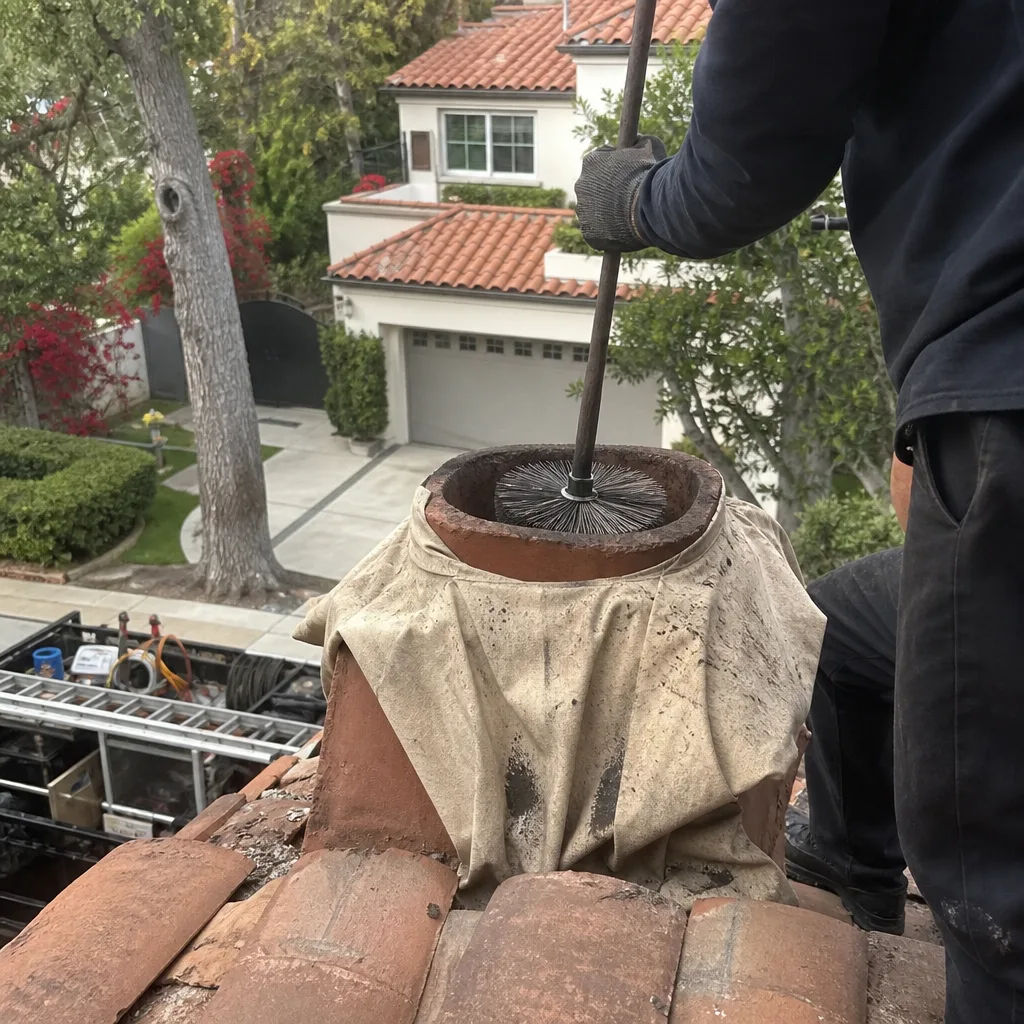
- Rotary flue cleaning. A motorized brush system, sized to the flue diameter, spins at controlled speed to dislodge creosote and soot. The vacuum system runs simultaneously to capture debris. For Class III glazed creosote, we apply a chemical modifier first, then return after the prescribed dwell time - this is a separate visit, charged separately, and noted in writing.
- Smoke chamber and shelf cleaning. Hand tools reach the areas the rotary system can’t. This step is where many competitors cut corners; it’s labor-intensive and hard to verify without camera documentation.
- Post-cleaning camera inspection. The camera descends again to verify the flue is clean, document liner condition, and identify any deficiencies (cracked tile, spalling, missing mortar, gaps at joints). This footage becomes part of your permanent record.
- Documentation delivery and pricing review. The technician presents written findings, the photo record, and a written scope with price for any recommended repairs. Under Haven Standard Clause 1, this price is delivered before any repair work begins - not after the tech is already in your home with tools out.
Steps 1, 2, 6, and 7 are where most competitors deviate. They skip pre-cleaning camera work, do minimal smoke chamber cleaning, and leave with a verbal summary. The homeowner has no documentation and no way to verify what was actually done.
The Documentation Checklist: What You Should Walk Away With
After 38,000 jobs, we’ve learned that the paperwork matters as much as the work. Here’s what a proper chimney cleaning in Pasadena should produce:
| Document | What It Contains | Why You Need It |
|---|---|---|
| Written scope of work | Services performed, flue dimensions, appliance type, fuel burned | Proof of service for insurance, warranty claims, real estate disclosure |
| Pre-cleaning photos/video | Flue interior before work, with date stamp | Documents baseline condition; proves obstructions or damage existed before cleaning |
| Post-cleaning photos/video | Flue interior after work, with date stamp | Verifies cleaning completeness; shows liner condition for future comparison |
| Creosote stage notation | Class I (soot), Class II (granular), or Class III (glazed/tar) | Determines safe burning practices and next cleaning interval |
| Deficiency report | Any cracks, spalling, missing mortar, clearance violations, cap/crown damage | Required for insurance in hillside zones; prevents small problems from becoming emergencies |
| Written price for any repairs | Itemized scope, materials (Gelco, Olympia Chimney, Famco, or other specified brands), labor, warranty | Haven Standard Clause 1: “Have it in writing” before work starts |
| Warranty or promise document | Our 365-Day Done Right Promise: if it’s not done right, we make it right | Recourse if problems emerge; transferable if you sell |
If your sweep hands you a single-page invoice with a total and no photos, you received a Level 1 service at best. That may be fine for some situations, but you should know what you paid for and what you didn’t get.
We’ve had Pasadena homeowners bring us documentation from previous sweeps that consisted entirely of a Square receipt. No flue dimensions. No creosote stage. No liner material noted. When we ran our camera, we found a stainless steel liner installed upside-down (seams facing up, collecting condensation) that had been “cleaned” three times without anyone noticing. The homeowner had paid for three services that never included the inspection that would have caught the installation error.
What Chimney Cleaning Costs in Pasadena (2024 Pricing)
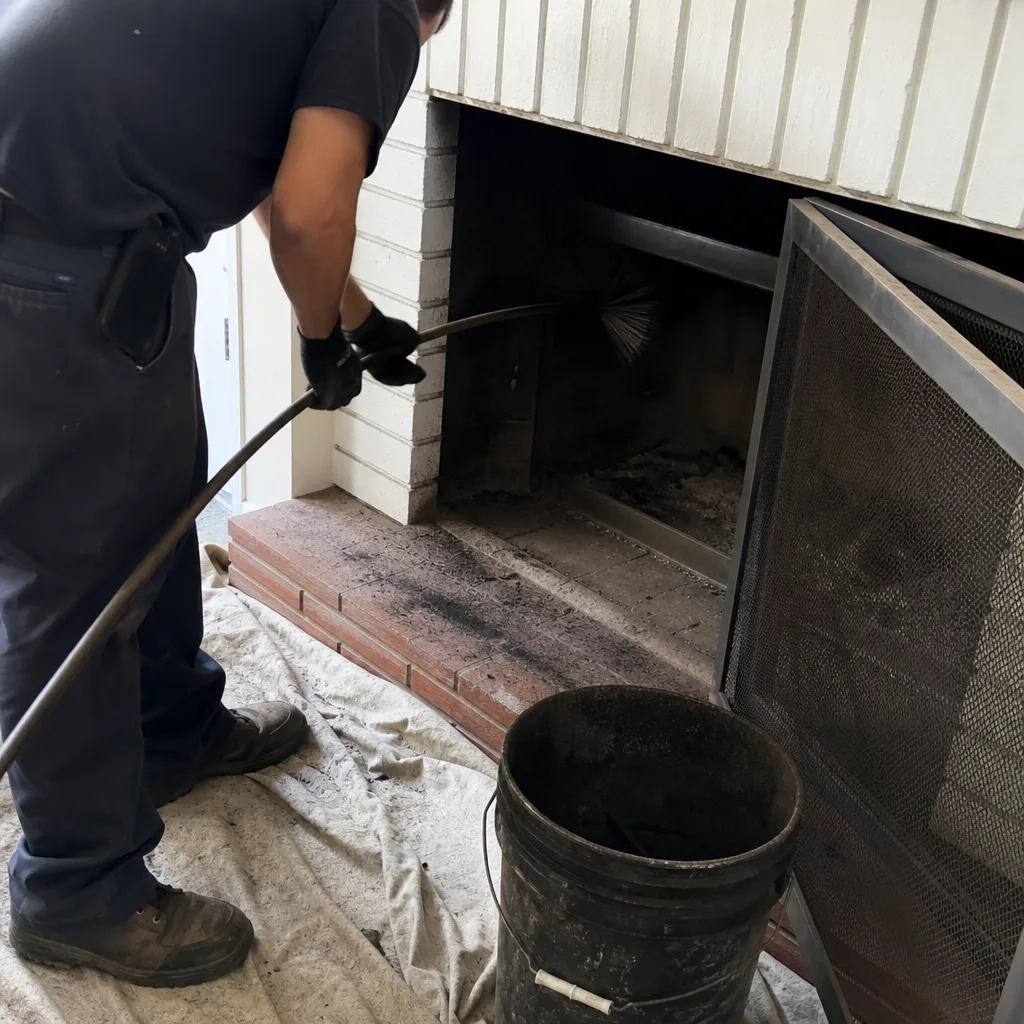
Price transparency is Haven Standard Clause 1. We publish ranges because “call for a quote” wastes your time and creates pressure in your living room.
| Service | Price Range | What’s Included |
|---|---|---|
| Standard chimney cleaning + Level 2 inspection (single flue, wood-burning fireplace) | $189-$249 | Full 7-step process, camera inspection before and after, photo record, written findings |
| Chimney cleaning + Level 2 inspection (gas fireplace with decorative logs) | $149-$199 | Less creosote typically; focus on venting integrity, debris, spider webs in burner ports |
| Chimney cleaning + Level 2 inspection (insert or stove, single flue) | $219-$289 | Removal and reinstallation of insert, connector pipe cleaning, bypass damper inspection |
| Class III creosote removal (chemical treatment + return visit) | $180-$280 additional | Application of creosote modifier, prescribed dwell time, rotary cleaning on return |
| Additional flue (same visit, second fireplace or furnace) | $89-$129 | Full cleaning and inspection of second flue, separate photo record |
| Chimney cap installation (standard stainless, including inspection) | $289-$449 | Famco or Olympia Chimney cap, proper sizing, installation, photo documentation |
Several factors push pricing toward the higher end in Pasadena:
- Steep roof access. Homes in the San Rafael hills or above Linda Vista with roofs over 6:12 pitch require additional safety equipment and time.
- Insert or stove removal. Heavy cast-iron inserts in older Pasadena homes may require two technicians.
- Class III creosote requiring chemical pretreatment. Common in homes that burn pine or unseasoned wood, or that have damp flues from marine-layer exposure.
- Missing or damaged cap allowing debris accumulation. We clean it; we also document that the cap needs replacement to prevent recurrence.
We offer a Free Second Opinion on any written estimate. Bring us a competitor’s written quote and we’ll review it against what we would specify for the same scope, using the same materials from DuraFlex, HeatShield, Gelco, Olympia Chimney, Famco, or Copperfield. No charge, no pressure.
The NFPA 211 Checklist You Can Use to Audit Any Invoice
The NFPA 211 standard is written for professionals, but its requirements translate directly to consumer protection. Here’s a plain-language checklist derived from the 2019 edition (the version currently adopted by most California jurisdictions):
- Was the flue inspected with a light source capable of illuminating the full interior? A flashlight from the firebox is minimum. A camera is better. Darkness is a failure.
- Was the inspection performed from both the top and bottom of the flue where accessible? Some conditions are only visible from above; some only from below.
- Was the chimney exterior examined for structural integrity, including crown, cap, and flashing? Water intrusion from a cracked crown destroys liners from the outside; it’s invisible from inside.
- Were clearances to combustibles verified in accessible areas? In Pasadena’s hillside homes with modified framing or added insulation, original clearances may have been compromised.
- Were all findings documented in writing, with recommendations for any deficiencies? Verbal reports do not satisfy NFPA 211 documentation requirements.
- Was the appliance connected according to manufacturer’s instructions? Factory-built fireplaces and inserts have specific venting requirements; deviations are common in DIY installations.
- Was the work area left clean, with debris properly contained and removed? Creosote residue is hazardous; its disposal is part of the service.
If your invoice doesn’t reflect these elements, you didn’t receive an NFPA 211-compliant service. That may not matter until it does - until your insurer asks for documentation, until you sell your home, until a defect causes damage and you need to prove it was pre-existing.
We’ve used this checklist in our Free Second Opinion reviews to identify competitors’ invoices that charged for “inspection” but delivered only a Level 1 visual check. The homeowner paid for a standard they didn’t receive. Our review gives them language to request a refund or proper re-service.
Common Mistakes to Avoid
- Hiring based on lowest price without verifying what’s included. The $89 “chimney sweep” special typically skips camera inspection, smoke chamber cleaning, and documentation. In Pasadena’s competitive market, we’ve seen companies advertise below cost to get in the door, then discover “urgent” repairs once inside.
- Assuming annual cleaning isn’t needed with light use. Even one cord of wood in a damp flue can produce dangerous Class III creosote. Pasadena’s humidity accelerates this. The NFPA 211 recommendation is annual inspection; cleaning frequency follows from what the inspection finds.
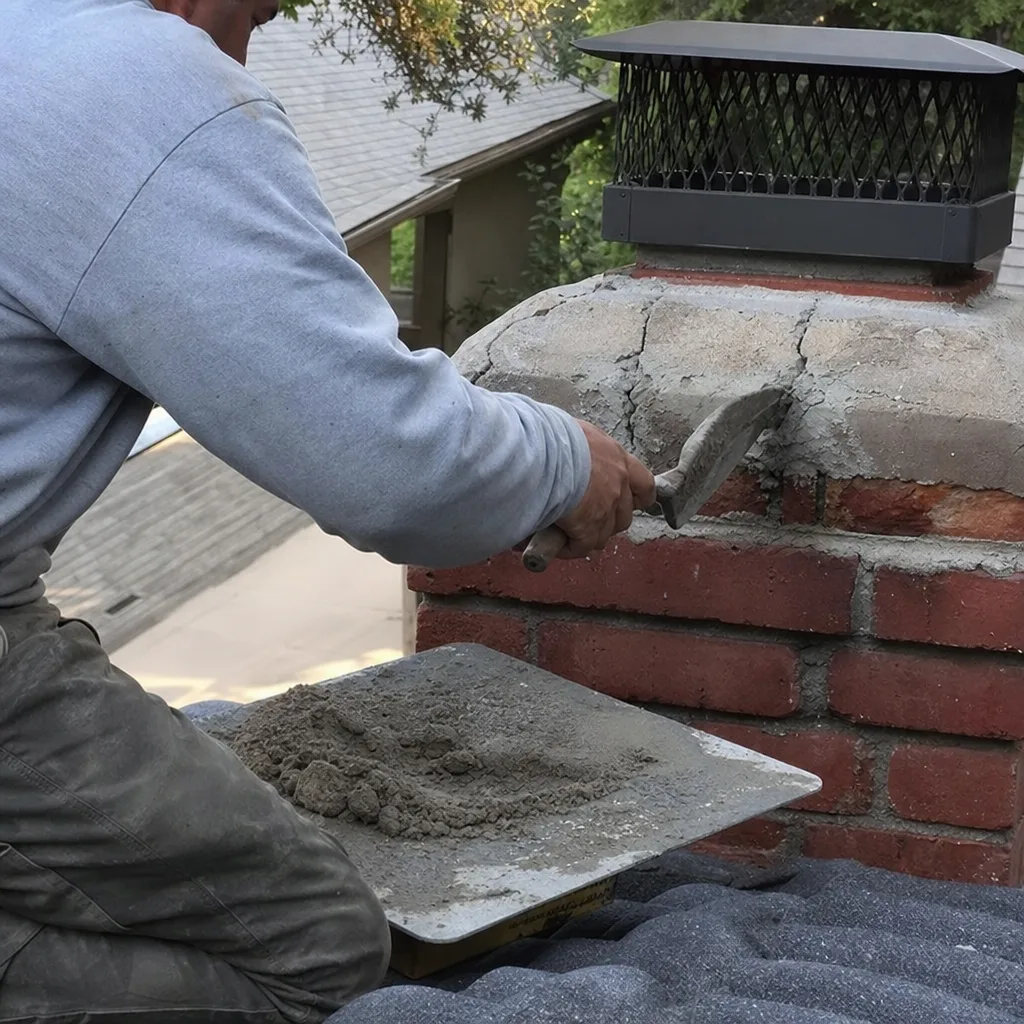
- Ignoring the chimney cap. A missing or damaged cap lets in rain, pepper tree debris, and animal nests. We’ve found active bee colonies in Pasadena chimneys where the cap had been missing for years. The cap is a $300-$450 installation that prevents $2,000+ in liner damage.
- Accepting verbal recommendations for major repairs. Liner replacement, crown rebuild, or Chimney Repair in Pasadena should never proceed without written scope, written price, and photo evidence you can see. We show you the camera footage and explain what we’re seeing before quoting any repair.
- Scheduling during burning season. October through January is peak demand. Quality providers book 2-3 weeks out. Schedule in September for pre-season readiness, or accept that you’re choosing from whoever has availability left.
- Neglecting gas fireplace venting. Gas burns cleaner than wood but produces corrosive condensation, especially in short, exterior chimneys common in 1960s-1980s Pasadena tract homes. Annual inspection applies to gas systems too; the failure mode is different but equally dangerous.
- Failing to retain documentation. Your chimney service record is part of your home’s maintenance history. Keep it with other disclosure documents. It adds value at sale and protects you in disputes.
When to Call a Professional
Call a sweep immediately if you notice smoke entering the room, a strong tar-like odor from the fireplace, visible creosote flakes in the firebox, or white efflorescence staining on exterior masonry (indicating moisture intrusion). These are not cosmetic issues. Smoke spillage suggests blocked or damaged venting; creosote odor means buildup near ignition temperature; efflorescence means water is migrating through the masonry, accelerating freeze-thaw damage even in Pasadena’s mild winters.
Also call before your first fire of the season if you haven’t had service in 12 months, if you’ve changed appliances or fuel types, or if you’re preparing to list your home. Real estate transactions in Pasadena increasingly require Level 2 documentation; providing it proactively speeds closing and prevents last-minute negotiation.
Level Two Chimney Pasadena offers free estimates in Pasadena - call (213) 459-6058. Our live phone support runs 24 hours a day, 7 days a week. We’ll schedule your Fireplace Services in Pasadena at a time that works for you, assign a named technician, and text when they’re en route.
Frequently Asked Questions
A standard chimney cleaning with Level 2 camera inspection in Pasadena costs $189-$249 for a single-flue wood-burning fireplace. Gas fireplaces typically run $149-$199. Inserts and stoves range $219-$289 due to removal and reinstallation labor. Call (213) 459-6058 for an exact quote - estimates are free, and we deliver a written price before any work starts.
Most Pasadena homes need annual inspection, with cleaning frequency determined by what the inspection finds. Homes in hillside fire-risk zones, those burning more than one cord of wood per year, or those with known moisture issues from marine-layer exposure often need annual cleaning. Homes with gas fireplaces should be inspected annually but may need cleaning only every 2-3 years if venting properly. The NFPA 211 standard is inspection annually, clean as indicated.
You shouldn’t accept a liner replacement recommendation without seeing camera evidence of the specific defect - cracks, gaps, missing mortar, or deterioration visible in dated photos. At Level Two Chimney Pasadena, we show you the footage and explain what code requires before quoting any repair. We also offer a Free Second Opinion on any competitor’s written estimate. Some liners can be repaired with HeatShield refractory sealant rather than full replacement; the camera determines which applies.
Skipped maintenance leads to creosote accumulation, which reduces flue diameter and increases the risk of chimney fire. A chimney fire can crack tile liners, damage surrounding framing, and ignite roof materials. In Pasadena’s hillside zones, this risk extends to wildfire propagation. Even without fire, moisture intrusion from a neglected cap or crown destroys liners and masonry from the outside. The cost of prevention is a fraction of the cost of remediation.
A sweep is the physical cleaning of creosote and debris. An inspection is the evaluation of system condition. They are separate operations that often occur together. A sweep without inspection is blind; an inspection without cleaning may be incomplete if heavy buildup obscures liner condition. Our standard service includes both, with camera documentation, under NFPA 211 Level 2.
We don’t recommend DIY vs professional chimney cleaning: the Pasadena homeowner’s decision guide for most homeowners. The work requires roof access, specialized rotary equipment, and camera systems to verify completeness. More importantly, most homeowners cannot evaluate liner condition or identify code violations without training. For the cost of renting equipment and the risk of incomplete work, professional service with documentation is the better value. If you do attempt DIY, never work on a steep roof without proper fall protection, and never assume a brush pass means the flue is clean - verify with a camera.
Pasadena does not currently mandate routine chimney inspections for existing single-family homes. However, hillside fire-risk zone properties may face insurer requirements, and rental properties fall under different regulations. Real estate transactions increasingly involve Level 2 inspection as a buyer contingency. Even without legal mandate, NFPA 211 annual inspection is the recognized safety standard.
The Bottom Line
A chimney cleaning in Pasadena is a sequence of seven distinct steps, each producing documentation you can verify. The camera inspection separates a genuine service from a brush-and-hope operation. The written price, written findings, and photo record protect your investment, satisfy insurers, and give you standing in any dispute. Pasadena’s marine-layer humidity and hillside fire-risk zones make the full process more necessary here than in drier, flatter California markets. Know what you’re paying for, demand what the standard requires, and keep your records. For more guides & resources on protecting your home, explore our blog. The difference between informed and uninformed is often the difference between a $200 maintenance visit and a $4,000 emergency repair.
Written by Corrine Halstead, Owner at Level Two Chimney Pasadena, serving Pasadena since 2009.