
Last updated September 22, 2026
Level 1 sweep and inspection to the NFPA 211 annual standard - flue, crown, cap, and flashing checked and photographed
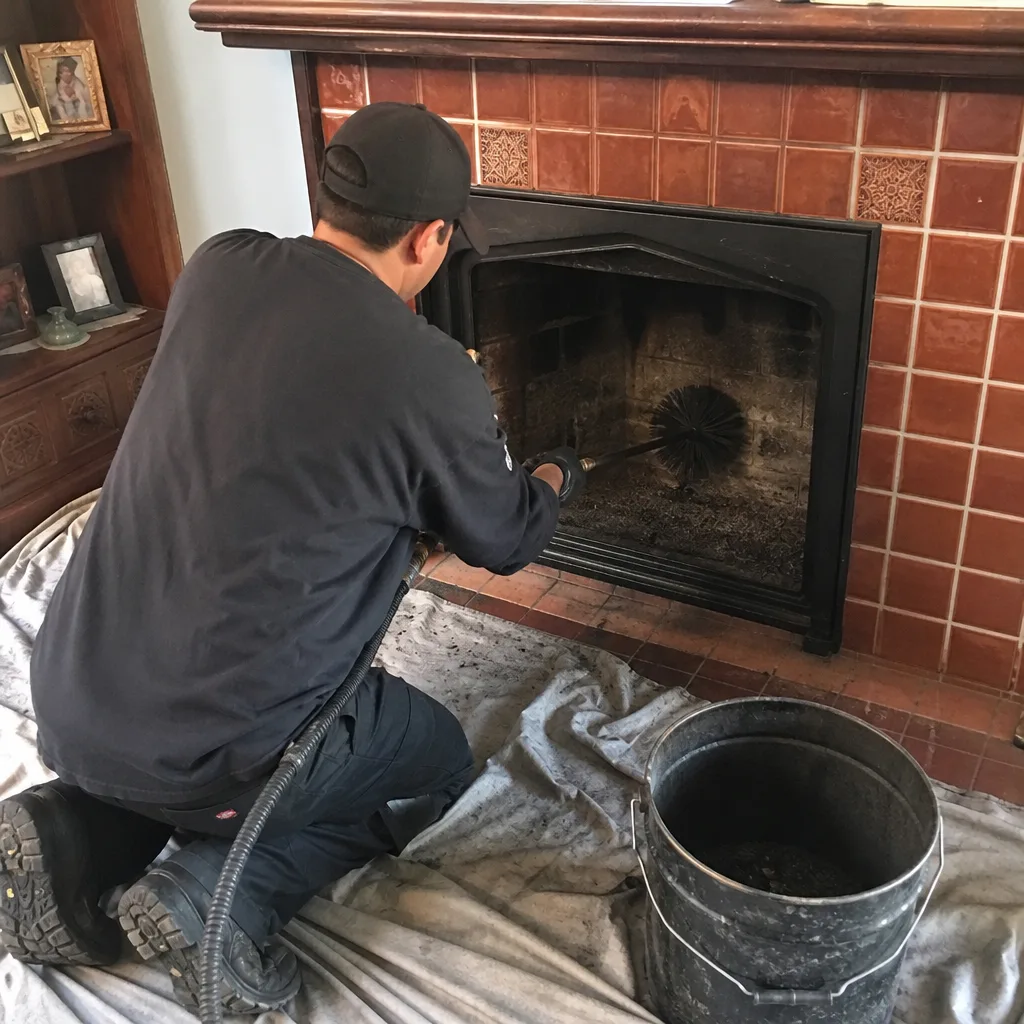
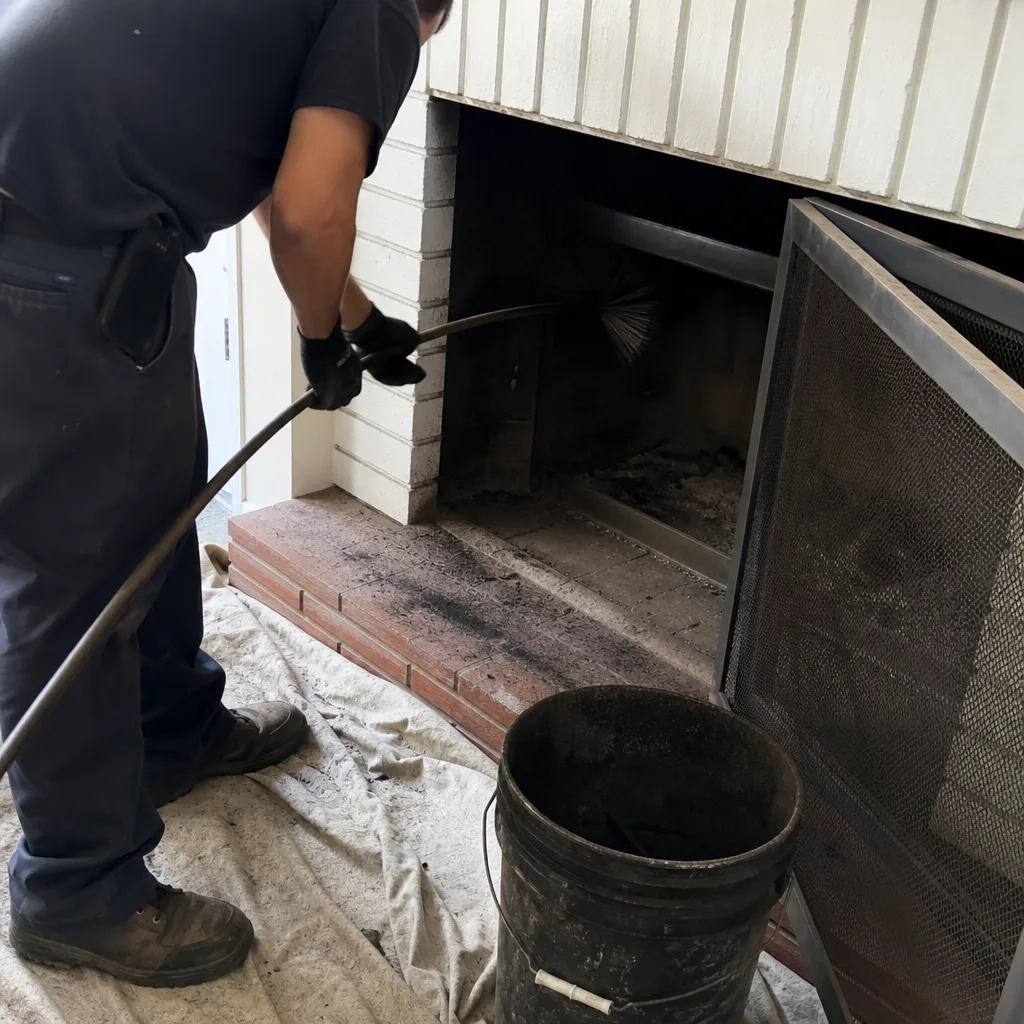
Chimney sweep logs do not sweep chimneys. They loosen some creosote - which then falls where a brush and vacuum still have to collect it.
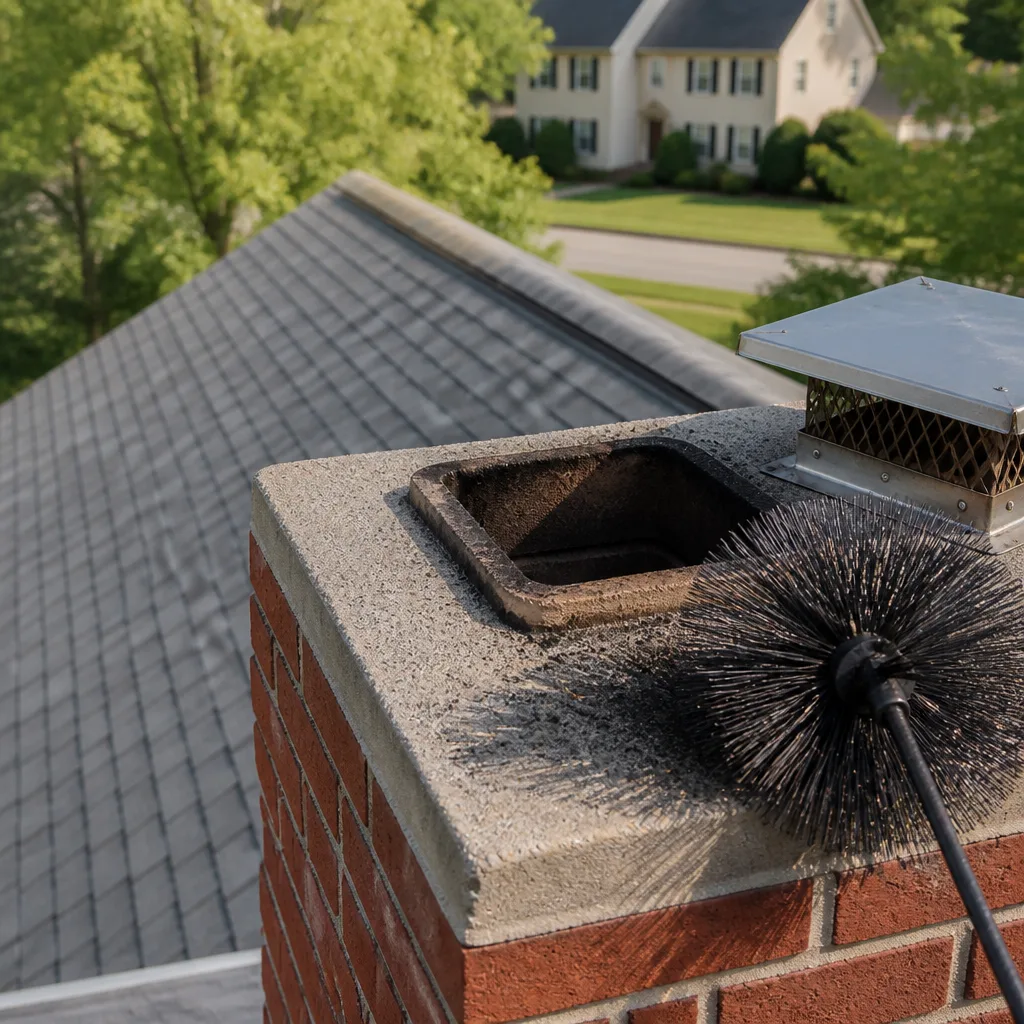
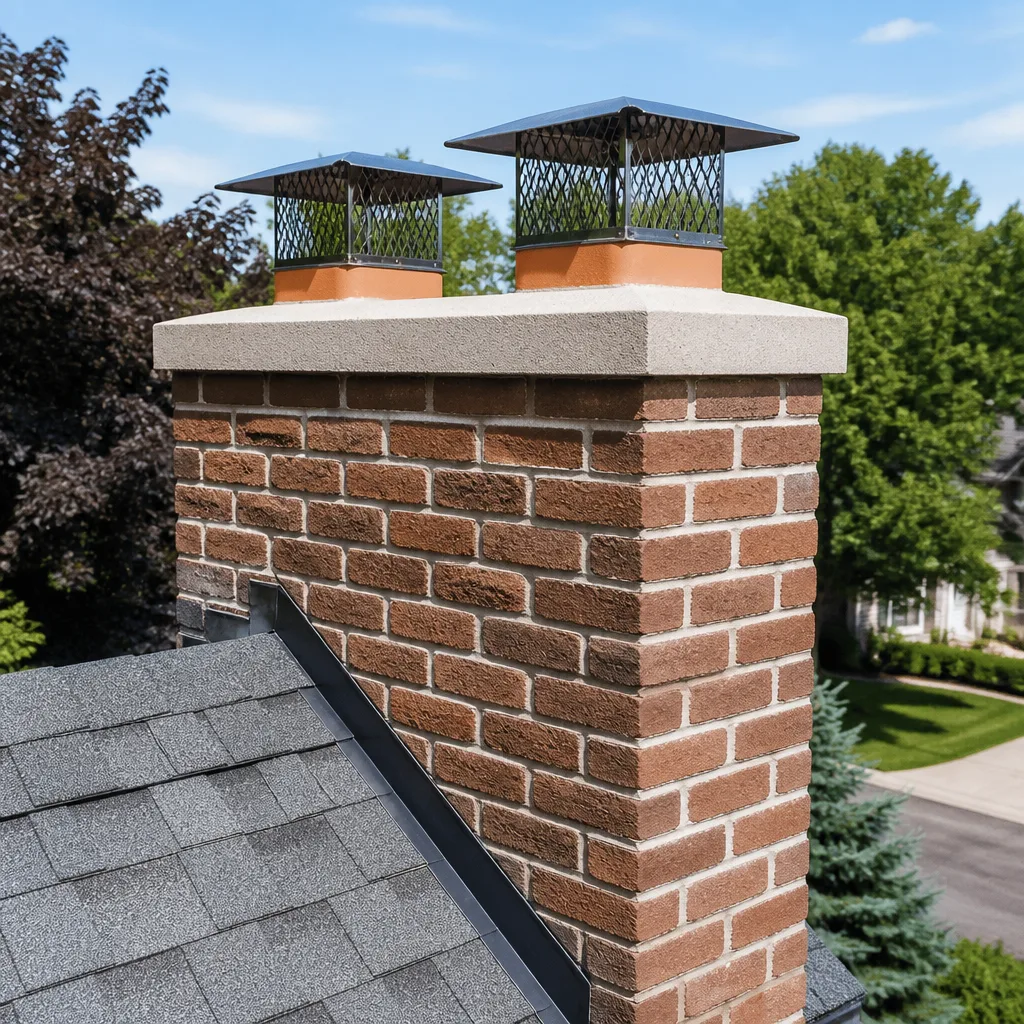
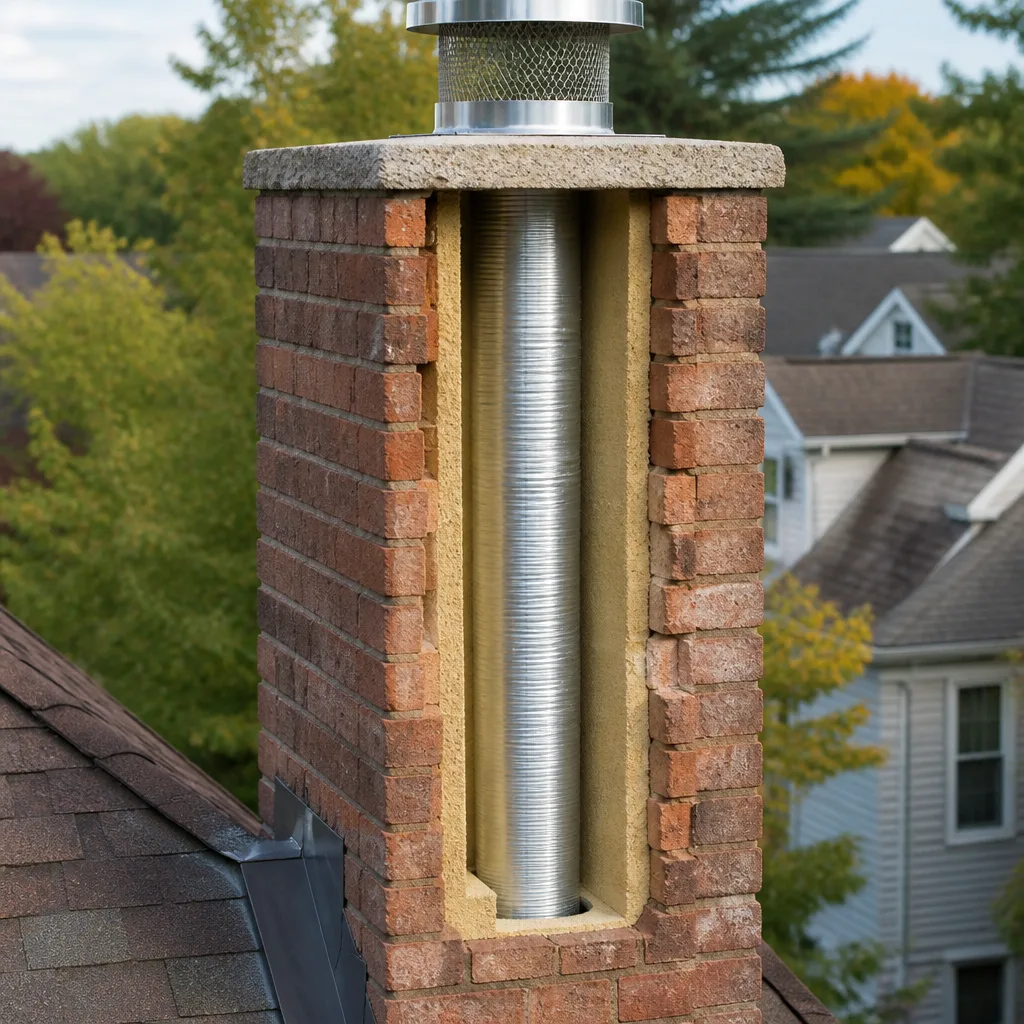
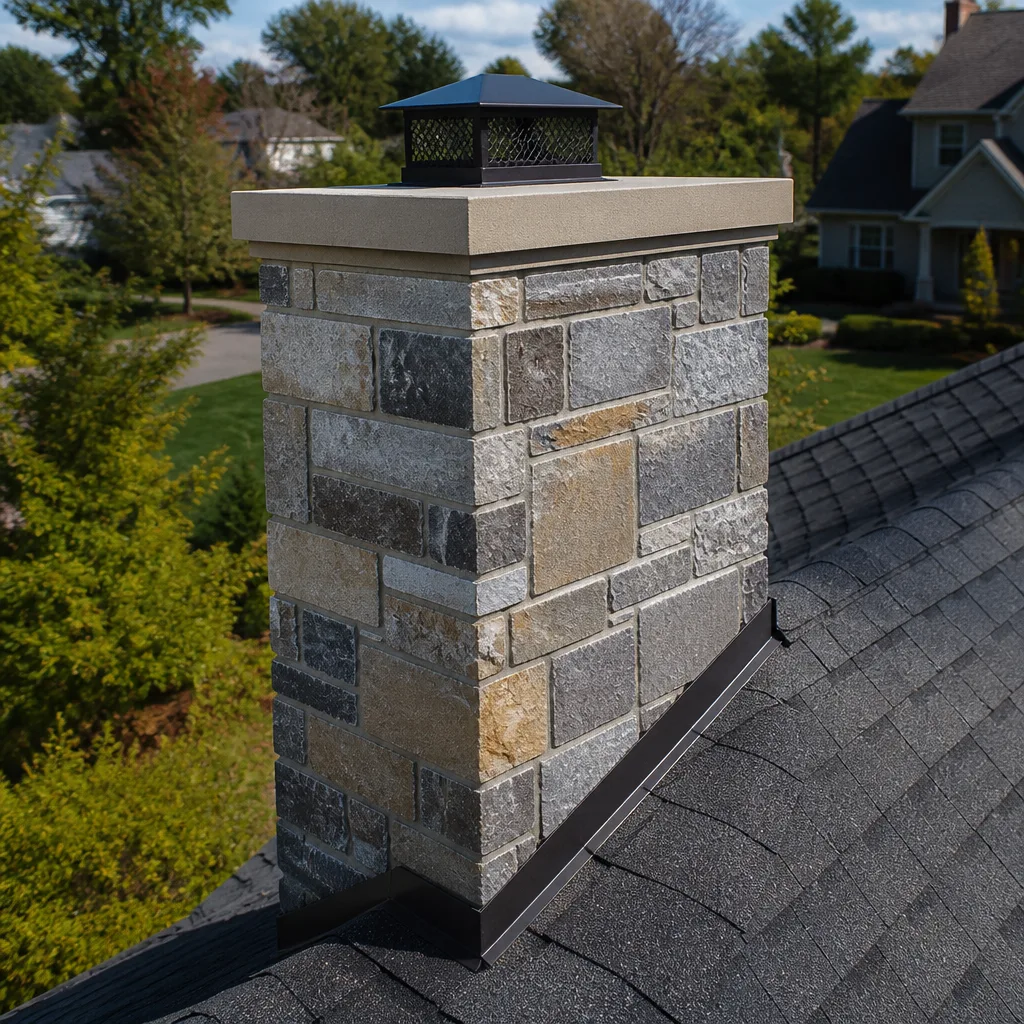
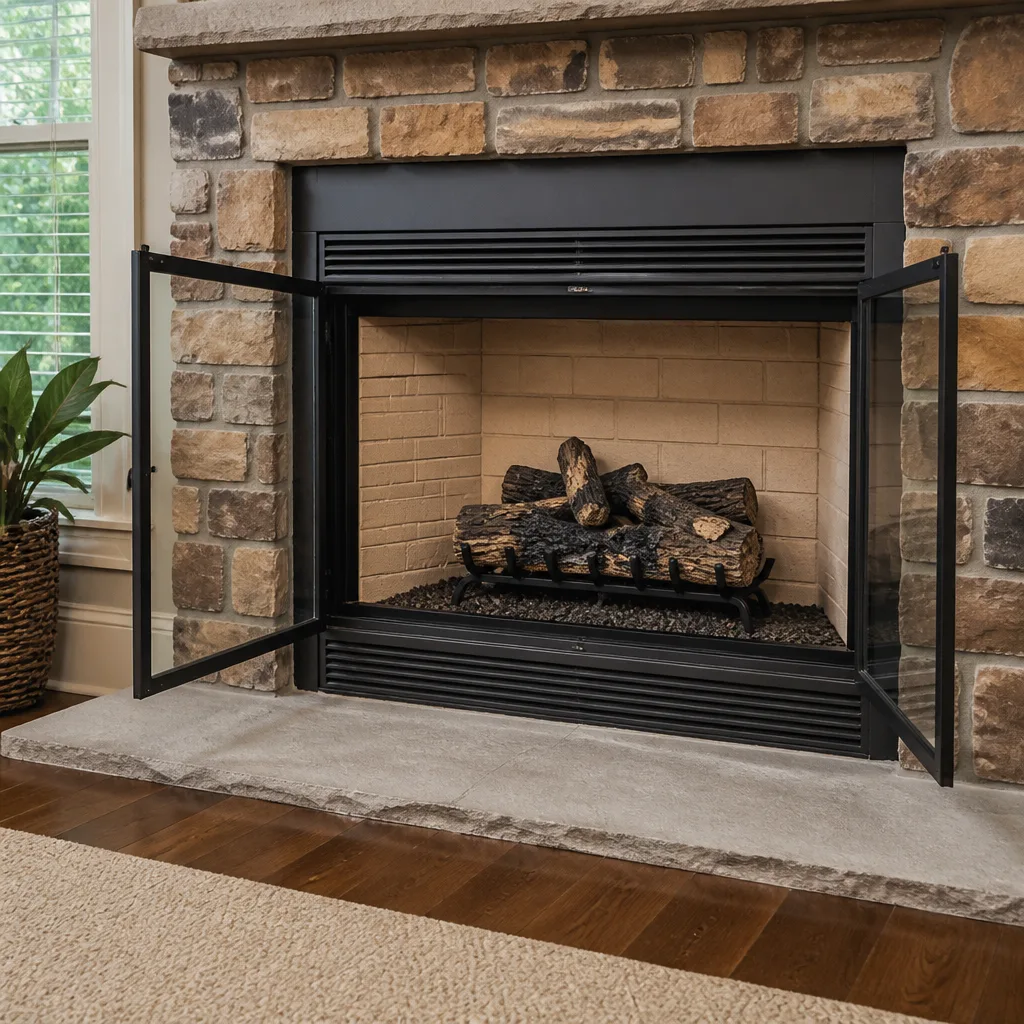
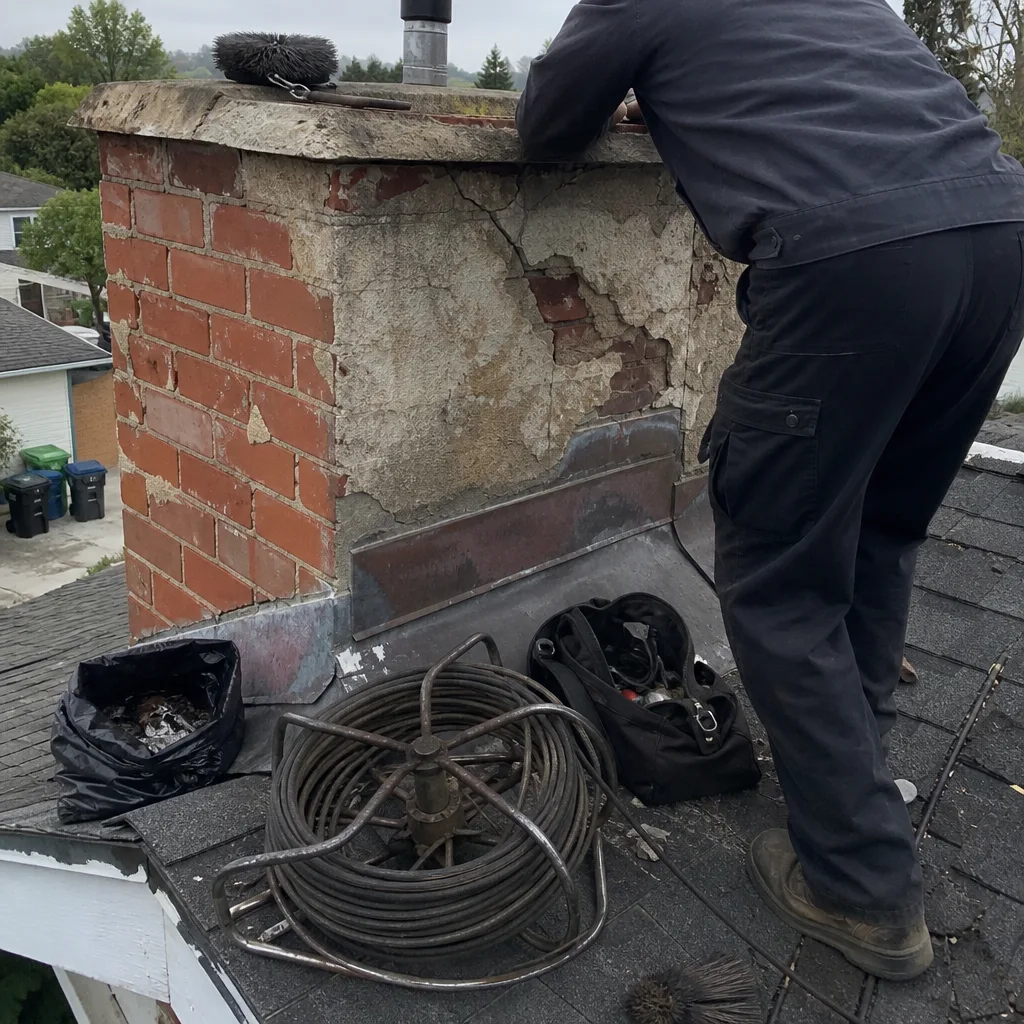 Before
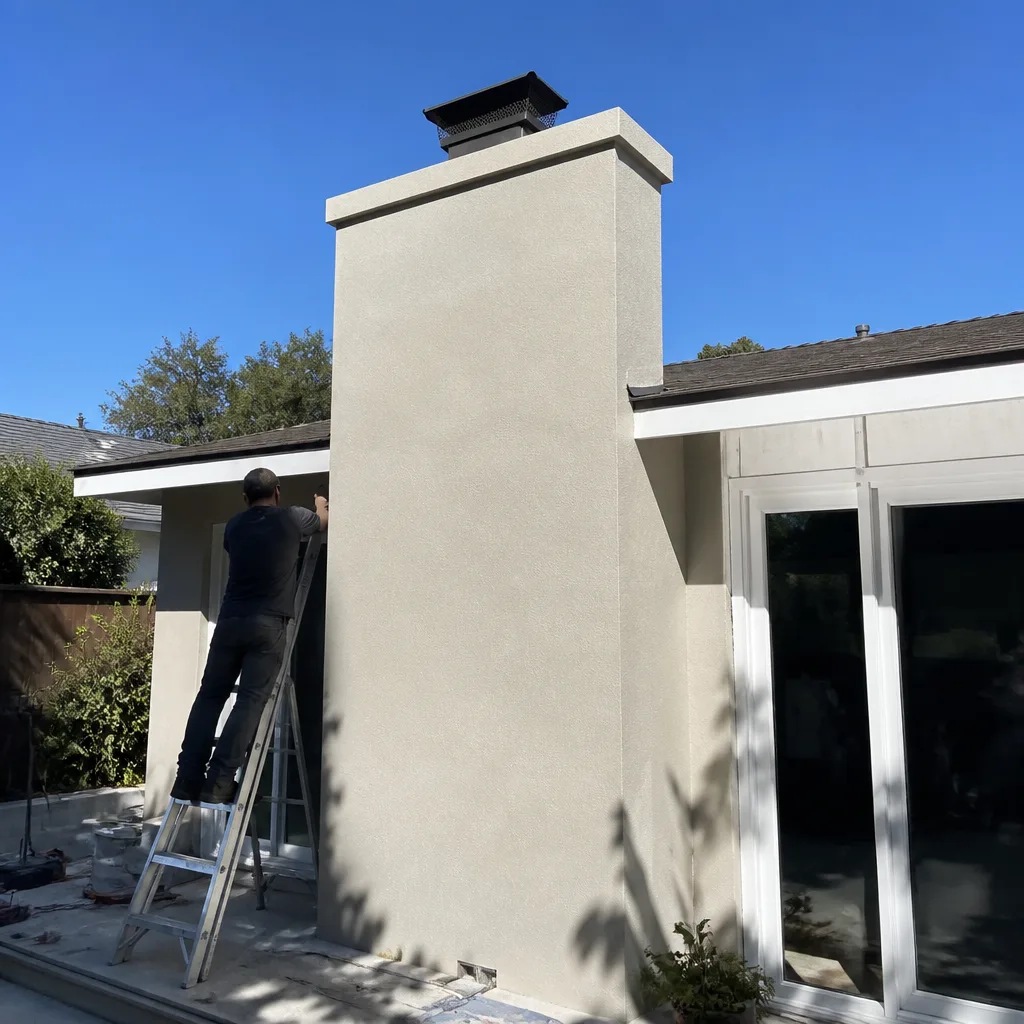 After
After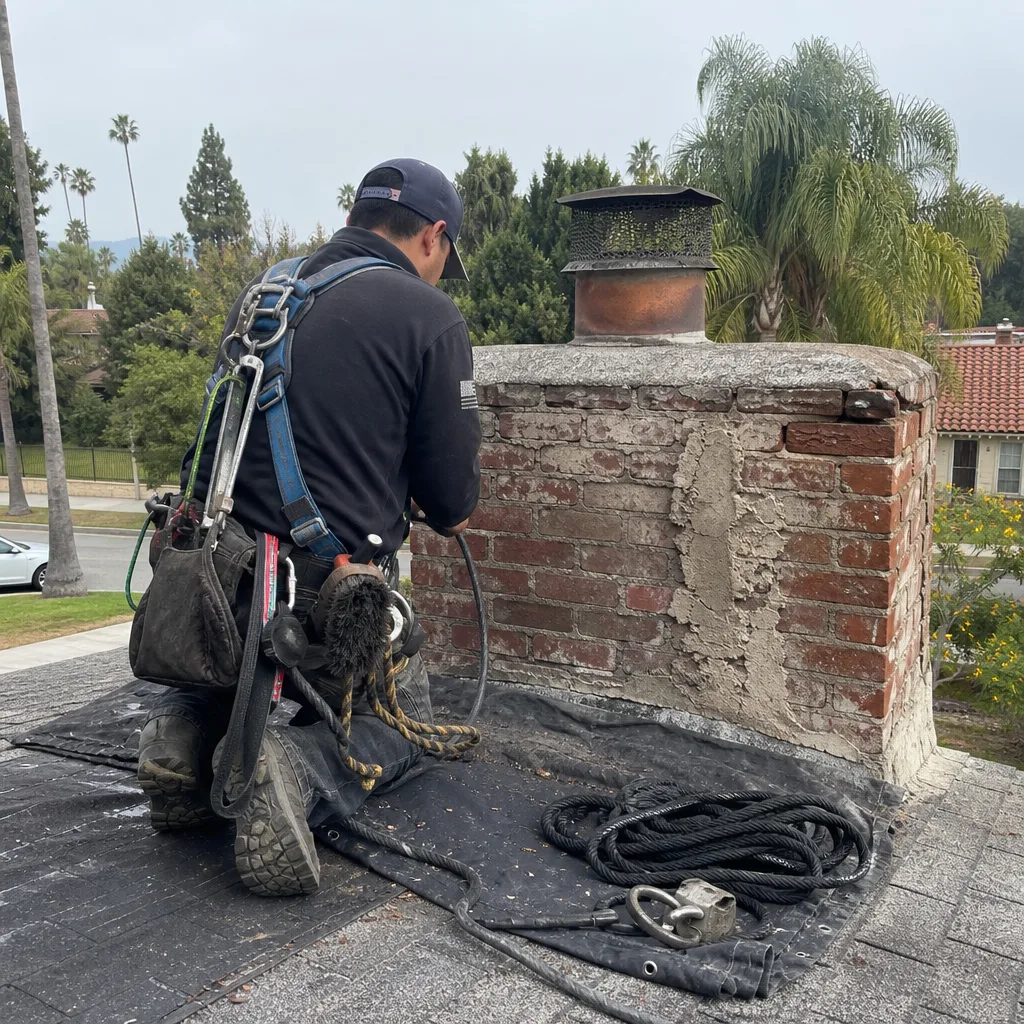 Before
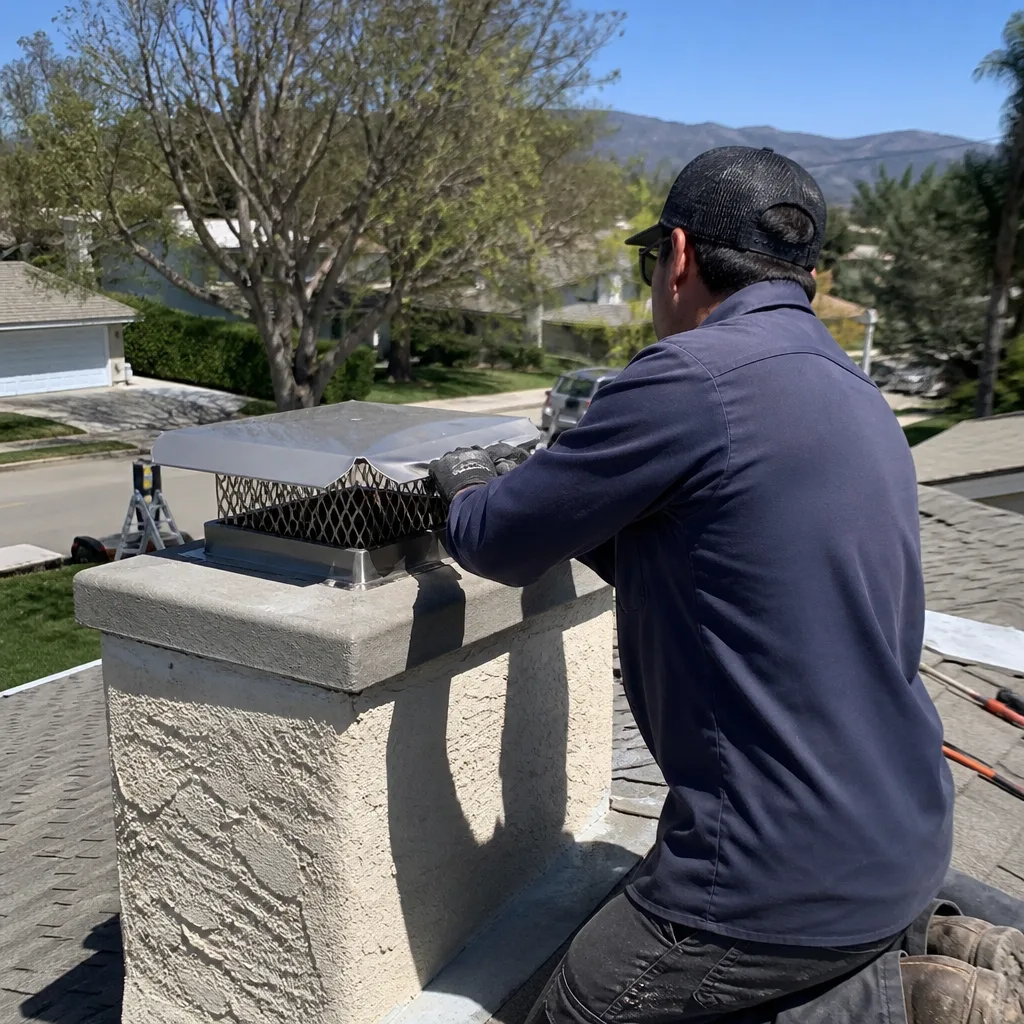 After
After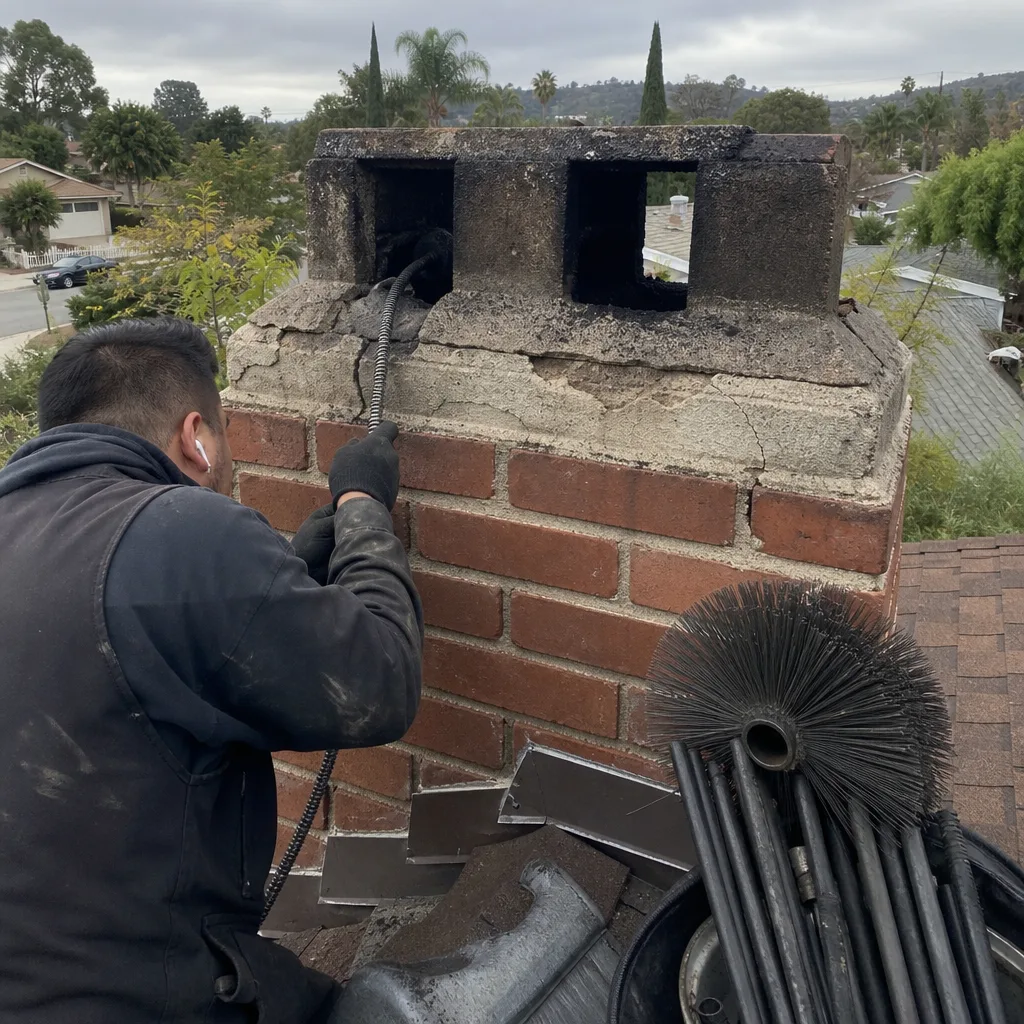 Before
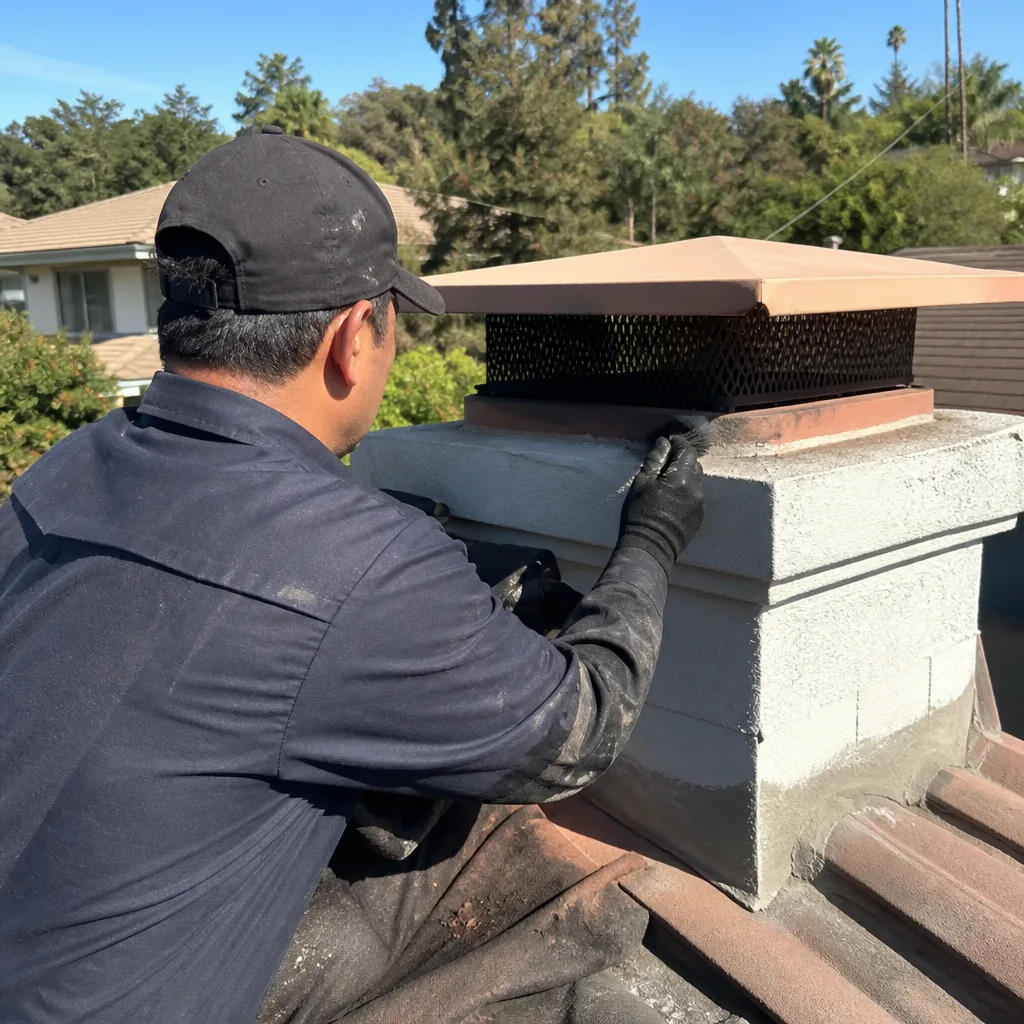 After
AfterChimney Cleaning Cost Breakdown: The Pasadena Homeowner’s Reference for 2026
The $89 chimney cleaning special in Pasadena is real, and so is the $1,200 upsell that often follows it. That low price buys a brush run and a flashlight glance, not the documented inspection your homeowner’s policy will demand after a fire. In 2026, chimney cleaning prices in Pasadena range from $89 to $450 for what looks like the same service, but the spread isn’t margin. It’s scope. What the low end skips - the camera scan, the written findings, the photo record - is exactly what separates a verified clean flue from a verbal “all clear” that won’t hold up. This guide itemizes every cost line, names what each covers, and lets you compare against scope instead of against each other. For related reading, see our Chimney Cleaning Warning Signs: A Pasadena Homeowner’s Reference Guide.
Quick Answer
A complete chimney cleaning in Pasadena in 2026 costs $220 to $380 when it includes NFPA 211 Level 2 camera inspection, written documentation, and debris removal. A brush-only cleaning without camera verification runs $89 to $160. The annualized difference between the two is about $85 per year - less than one emergency service call.
Table of Contents
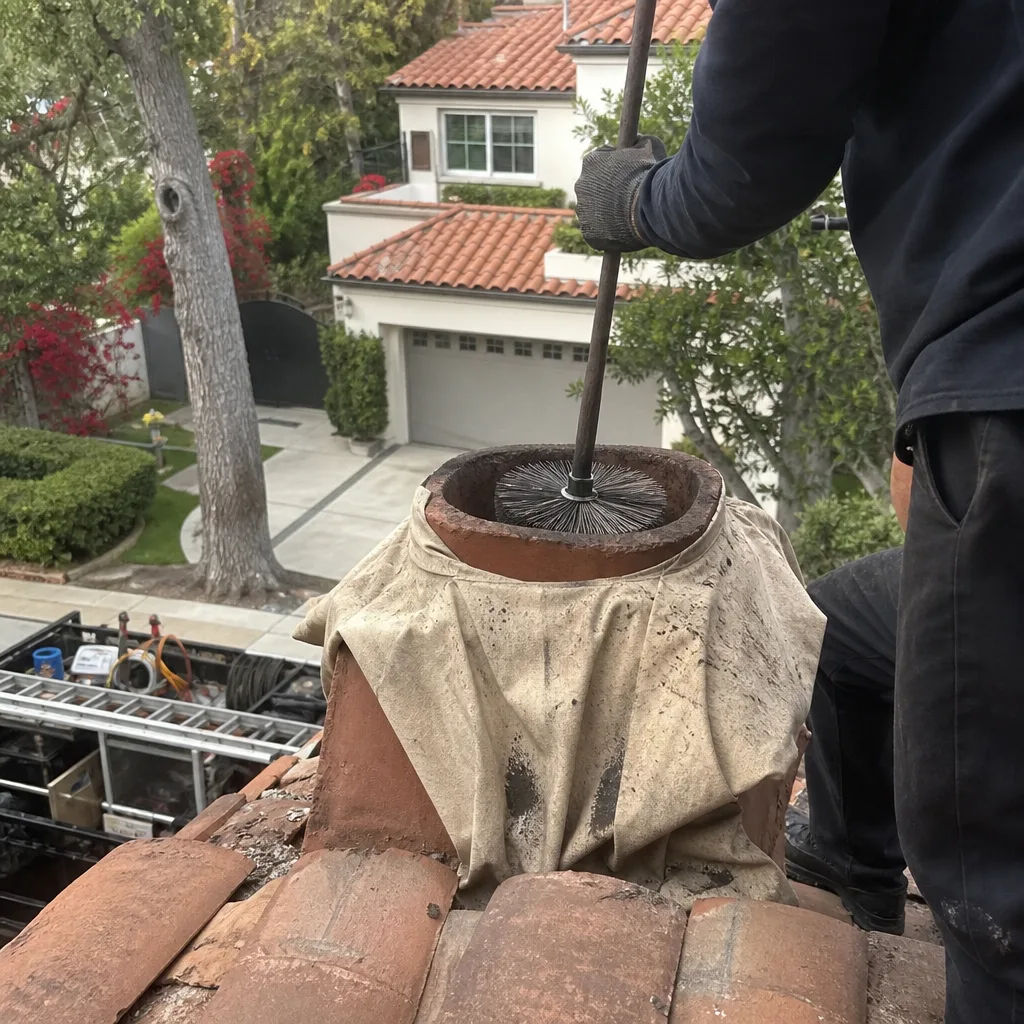
- Pasadena Chimney Cleaning Market Rates for 2026
- Line-Item Cost Table: What’s Bundled, What’s Skipped
- Why the Camera Inspection Line Item Matters Most
- How Pasadena’s Local Factors Affect Your Price
- The Upsell Anatomy: Legitimate Repair vs. Pressure Tactics
- Cost Per Year: Reframing the Annual Investment
- Common Mistakes to Avoid
- When to Call a Professional
- Frequently Asked Questions
- The Bottom Line
BeforeAfterPasadena Chimney Cleaning Market Rates for 2026
Pasadena’s chimney cleaning market splits into three tiers, and the gap between them isn’t about quality of brushes. It’s about what gets inspected, what gets documented, and what you can prove later.
Tier 1: Brush-Only Cleaning ($89-$160)
This is the coupon special. A technician runs a brush up the flue, vacuums the firebox, and may shine a flashlight upward from the hearth. No camera. No written report. No photo record. In Pasadena, we see these offered heavily in January and February when companies need off-season volume. The work itself is real - the flue gets brushed - but the inspection component is absent. If creosote has built up beyond Class I (powdery, easily brushed), a flashlight from below won’t catch it. Neither will it reveal a cracked flue liner, which is the condition most likely to lead to a house fire or carbon monoxide intrusion.
Tier 2: Standard Cleaning with Visual Inspection ($160-$260)
This tier adds a roof-level visual inspection of the crown, cap, and exterior masonry. The technician may use a mirror to check the flue from above. Still no camera. The inspection is more thorough than Tier 1, but it remains unverifiable. You receive a checklist or a verbal summary. In our experience across Pasadena’s 1920s-1940s housing stock, roof-level visuals miss roughly 60% of flue liner damage because the damage starts inside the flue, below the line of sight from either end.
Tier 3: NFPA 211 Level 2 Cleaning with Camera Inspection ($220-$380)
This is the standard we established at Level Two Chimney Pasadena home in 2009 and codified as Clause 4 of the Haven Standard. The chimney is cleaned, then a specialized camera is run the full length of the flue. The technician documents liner condition, joint alignment, creosote classification, and any obstructions. You receive a written report with time-stamped photos or video frames. In Pasadena, where many chimneys serve original fireplaces in Craftsman bungalows with terracotta flue liners now 80 to 100 years old, this documentation is the only way to verify that the flue is actually sound - not just brushed.
What drives the top of the range?
A $380 job typically involves a two-story hillside home (common in Linda Vista, San Rafael, and the slopes below the Jet Propulsion Laboratory), a chimney with multiple flues, or Class III creosote (glazed, hardened buildup) requiring mechanical removal before standard brushing. In the historic districts around Orange Grove Boulevard and Prospect Circle, we’ve also encountered chimneys with unlined brick flues from the 1920s that require additional evaluation time.
Line-Item Cost Table: What’s Bundled, What’s Skipped
Most Pasadena homeowners receive a single number and assume they know what it covers. Here’s how to unpack it. The table below shows 2026 market rates for each component, priced separately so you can see what’s being bundled or excluded in any quote you receive.
| Service Component | Pasadena Market Rate (2026) | What’s Included | What Happens If Skipped |
|---|---|---|---|
| Basic brush cleaning (single flue, one story) | $89-$140 | Rotary or poly brush run, firebox debris removal, basic vacuum | Flue is brushed but not inspected; hidden damage or buildup remains undetected |
| Basic brush cleaning (two story or steep roof) | $140-$190 | Same as above, with additional ladder/roof access time | Same risks; higher labor cost reflects access difficulty on Pasadena hillside lots |
| NFPA 211 Level 2 camera inspection | $80-$150 | Video scan of full flue length, liner condition assessment, joint inspection, photo/video record | Cracked liner, missing mortar joints, or Class III creosote goes undetected until failure |
| Class III creosote treatment (mechanical or chemical) | $120-$280 | Removal of glazed creosote deposits before standard brushing | Glazed creosote remains; it ignites at lower temperatures and burns hotter than Class I |
| Cap and crown inspection (written) | $0-$50 (often bundled) | Roof-level assessment of crown integrity, cap fit, spark arrestor function | Water intrusion degrades crown and masonry; animal entry or spark hazard unaddressed |
| Written documentation package | $0-$40 (often bundled) | Written findings, photo record, scope of work, warranty terms | No proof of inspection for insurer, HOA, or future buyer; no recourse if problems emerge |
| Debris removal and site protection | $0-$30 (often bundled) | Drop cloths, HEPA containment, debris bagging, exterior cleanup | Soot and creosote residue in living space; liability for home damage |
When you see a $220 quote, ask which rows are included. When you see a $320 quote, the camera inspection and written documentation are likely built in. When you see $89, you’re getting row one only.
At Chimney Cleaning & Sweep in Pasadena, we don’t unbundle these components because the inspection without documentation is incomplete under Clause 4 of the Haven Standard. But we itemize every line on your written quote before work starts, so you know exactly what you’re paying for.
Why the Camera Inspection Line Item Matters Most
The camera inspection is the single most important cost to confirm in writing before any work starts. Here’s why: once a technician has given you a verbal “all clear,” adding a camera scan becomes psychologically difficult. You’ve already been told the chimney is fine. Asking for proof feels like an accusation. Companies that operate on the upsell model know this. The $89 special is designed to get a technician inside your home, on your roof, with your trust, before the inspection scope is finalized.
What a camera inspection actually reveals
We run a high-resolution camera up the full length of the flue, typically 15 to 25 feet in Pasadena’s single-family homes. The technician watches in real time for:
- Cracks or spalling in the flue liner - terracotta liners crack from thermal cycling, especially in chimneys that vent both wood-burning fireplaces and older gas appliances
- Missing or deteriorated mortar joints between flue tiles - gaps allow heat and combustion gases to reach combustible framing
- Creosote classification - Class I (powdery), Class II (flakey), or Class III (glazed, hardened) - which determines whether standard brushing is sufficient
- Obstructions: bird nests, collapsed liner sections, or construction debris from prior roof work
- Offset or settled flue sections - common in earthquake country, where lateral movement shifts stacked flue tiles
In 2025, we documented 147 chimneys in Pasadena where the homeowner had received a verbal “clean and clear” within the previous 18 months from another company, and our camera scan found actionable defects. The most common: cracked flue liners above the smoke chamber, where a flashlight from below cannot reach and a roof-level mirror cannot see.
The cost of adding it later
If you agree to a $89 brush cleaning and then request a camera inspection during the visit, the add-on price is typically $120 to $180 - more than if it were bundled, because the technician must re-setup equipment and the appointment slot wasn’t scheduled for the additional time. The total becomes $209 to $269, and you still may not receive the full written documentation package because the original quote didn’t include it.
Under Clause 4 of the Haven Standard, the photo record is not optional. We include it on every visit because a chimney inspection without documentation is an opinion, not evidence. Our materials - including camera systems sourced through Haven’s buying network - are procured specifically to keep this standard affordable, not to make it a premium tier.
How Pasadena’s Local Factors Affect Your Price
Chimney cleaning costs are not uniform across Los Angeles County. Pasadena’s specific geography, housing stock, and climate create pricing variations that national cost guides miss entirely.
Two-story rooflines on hillside homes
Pasadena’s northern and eastern neighborhoods - Linda Vista, San Rafael Heights, Annandale, and the slopes below the Jet Propulsion Laboratory - feature homes built into hillsides with elevated chimneys and steep roof pitches. Access requires longer ladders, roof anchoring, or in some cases aerial lift equipment for multi-flue chimneys on three-story homes. Labor time increases 20 to 40 minutes per flue compared to flat-grade, single-story access. This isn’t markup. It’s the difference between a technician working safely and a technician working fast.
Aging masonry in historic districts
The Bungalow Heaven Landmark District, the Orange Grove Boulevard corridor, and portions of Madison Heights contain homes built between 1900 and 1940 with original masonry chimneys. These chimneys often have:
- Unlined brick flues or early terracotta liners with no refractory mortar
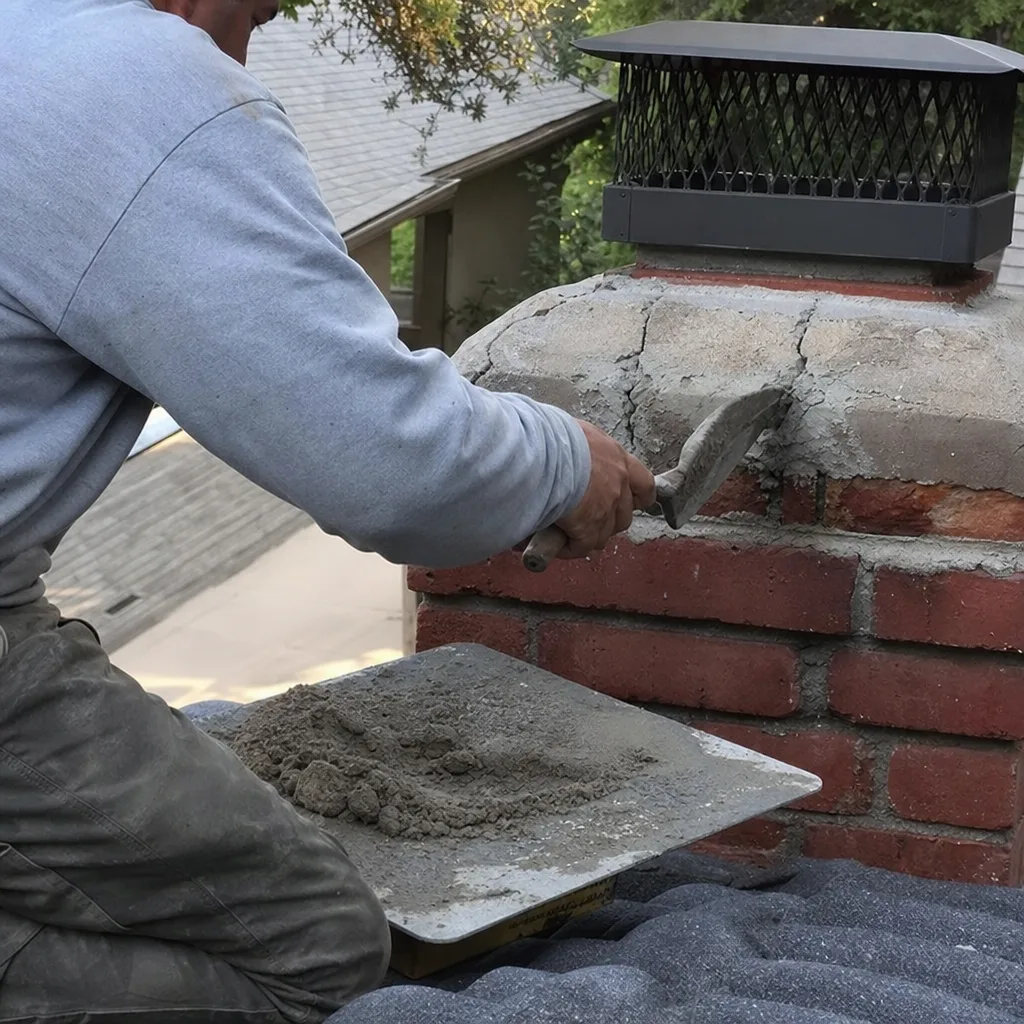
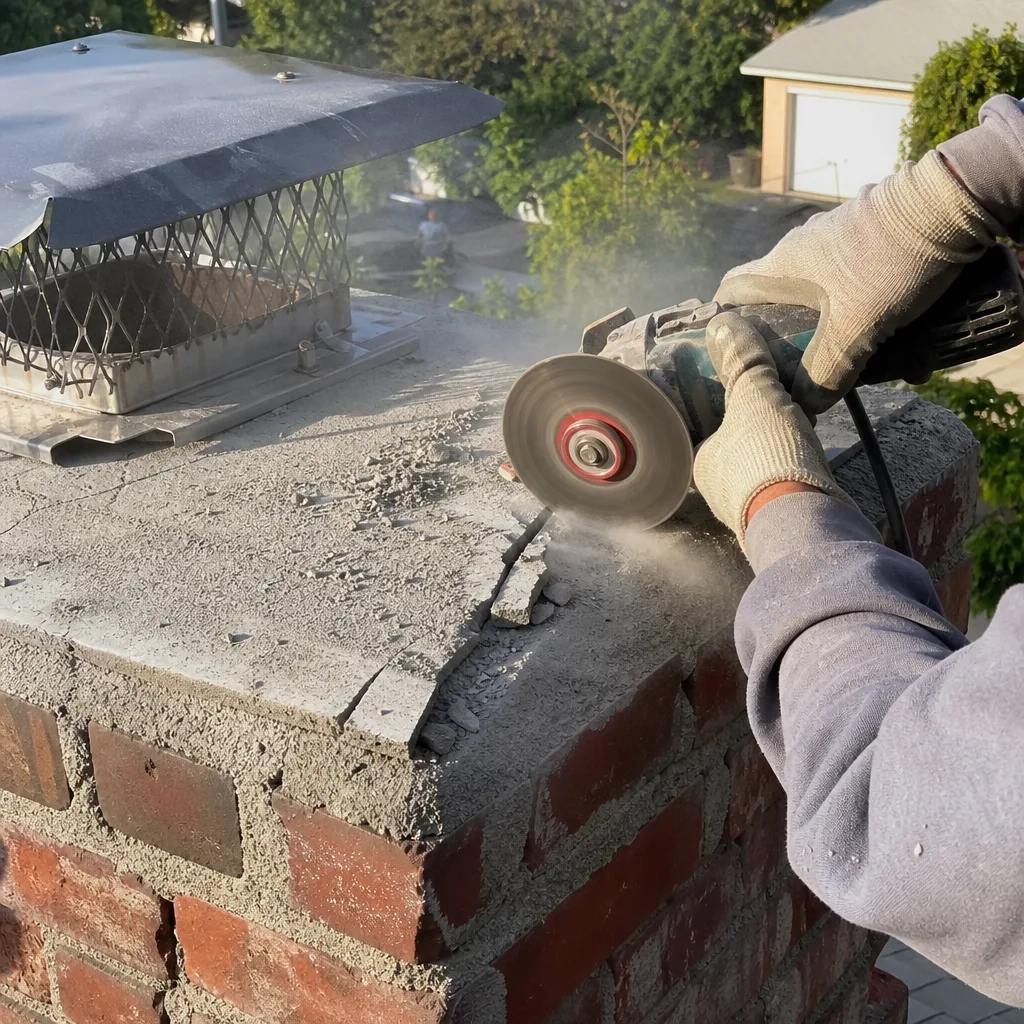
- Crowns poured from plain concrete (not reinforced) that have cracked and allowed water intrusion for decades
- Exterior spalling - the flaking of brick faces caused by freeze-thaw cycles and absorbed moisture
- Original chimney pots or decorative caps that require careful handling during access
Cleaning these chimneys takes longer because the technician must assess whether the masonry can withstand rotary brushing forces, and because debris removal requires more protective containment. We also document exterior conditions during the visit because spalling and crown damage, while not part of the flue cleaning, affect the chimney’s overall safety and water management.
Chimney configurations in 1920s-1940s Craftsman bungalows
Pasadena’s signature housing type, the California Craftsman bungalow, typically features a central chimney serving a living room fireplace, sometimes with a second flue for a kitchen stove or bedroom hearth. These chimneys are often:
- Exposed on multiple faces, making weather exposure uniform and water damage more likely
- Fitted with throat dampers (not top-sealing dampers), which collect more creosote in the smoke chamber above the damper plate
- Connected to original fireplaces with deep fireboxes and slanted smoke chambers - geometry that requires specialized brushing techniques
In the Bungalow Heaven district specifically, we’ve found that throat dampers in original fireplaces are often rusted open or closed, which changes draft patterns and creosote deposition. This isn’t a cleaning issue alone; it’s a configuration that affects how often cleaning is needed and what type of brushing is appropriate.
Local climate and burning patterns
Pasadena’s Mediterranean climate means mild winters with occasional cold snaps and Santa Ana wind events. Most homeowners burn sporadically - a few evenings in December and January, more during wind-driven cold periods. Sporadic burning produces more creosote than continuous burning because the flue never reaches sustained temperatures that would burn off deposits. We see more Class II and Class III creosote in sporadic-burner chimneys than in homes with daily winter fires. This affects whether standard brushing is sufficient or whether chemical or mechanical pre-treatment is needed.
Additionally, Pasadena’s position in the San Gabriel Valley means temperature inversions that trap particulate matter. On high-pollution days, draft performance changes, and homeowners may experience smoke spillage that they attribute to chimney cleanliness when the cause is atmospheric pressure. A camera inspection distinguishes actual flue blockage from weather-related draft issues.
The Upsell Anatomy: Legitimate Repair vs. Pressure Tactics
The $89 special exists because it works as a customer acquisition tool. The business model assumes that a percentage of customers will accept additional services once the technician is in the home. The problem isn’t the model itself. It’s the pressure tactics that separate legitimate recommendations from coerced purchases.
What legitimate repair recommendations look like
- Written, not verbal. The technician hands you a written estimate with itemized scope, materials specified (for example, “DuraFlex 316Ti stainless liner, 6-inch diameter, 25 feet” or “HeatShield cerfractory flue sealant, applied to manufacturer’s specification”), and a firm price. This is Haven Standard Clause 1: the written price before work starts.
- Photographed, not described. You see the crack, the gap, or the deterioration in a photo or video frame with a timestamp. The image is tied to your address and your appointment date. Clause 4 of the Haven Standard requires this documentation.
- Itemized, not bundled. You can accept or decline each line independently. If you need a liner but not a cap, the quote reflects that.
- Scheduled, not urgent. The technician explains whether the condition requires immediate attention (active water leak, open flue crack with current use) or can be scheduled in the off-season. No countdown language. No “today only” pricing.
- Verifiable. You’re invited to seek a second opinion, and the documentation you received is sufficient for another professional to evaluate without re-inspecting. We offer a Free Second Opinion on any written estimate for exactly this reason.
What pressure upsells look like
- The technician describes damage you cannot see, using urgency language: “This is a fire hazard,” “I wouldn’t sleep in this house tonight,” “Your insurance won’t cover you.”
- The price is given verbally, often with a “discount” for immediate decision: “It’s normally $2,400, but if we do it today, $1,800.”
- No written documentation is offered, or the “report” is a carbon-copy checklist with checkmarks and no photos.
- The technician cannot or will not explain the material specifications - what liner alloy, what mortar type, what crown mix.
- You’re discouraged from seeking other estimates: “By the time someone else gets out here, it could be too late.”
In Pasadena’s competitive market, we see pressure upsells most frequently from companies that advertise heavily on coupon sites and lead-generation platforms. Their cost to acquire a customer is high, and the technician is often incentivized on conversion rate, not on accurate diagnosis.
Our approach, established in 2009 and maintained across 38,000+ jobs, is to deliver the written price, written scope, and written warranty before any work starts. If you decline additional services, the cleaning is completed as quoted. The technician’s compensation is not reduced. This is the Haven Standard, and it’s why we don’t use “call for a quote” language - the quote is the product, not the hook.
Cost Per Year: Reframing the Annual Investment
Homeowners often fixate on the single-visit price and miss the annualized cost, which is where the real comparison lies. Here’s the math for a typical Pasadena home with annual chimney use.
Scenario A: Brush-only cleaning, every year
- Annual cost: $140 (midpoint of $89-$160 range, assuming you avoid the lowest-end bait pricing)
- Five-year cost: $700
- What you have after five years: five verbal “all clears,” no documentation, no baseline for deterioration
Scenario B: NFPA 211 Level 2 cleaning with camera inspection, every year
- Annual cost: $300 (midpoint of $220-$380 range)
- Five-year cost: $1,500
- What you have after five years: five documented inspections, photo baseline showing liner condition over time, written reports for insurer or buyer
The difference: $160 per year, or $13 per month.
But this framing understates the case. Most Pasadena homeowners don’t need annual Level 2 inspection if the previous year’s scan showed a sound liner and light creosote buildup. NFPA 211 recommends annual inspection for all chimneys, but the inspection scope can vary based on findings. A chimney with a documented sound liner and Class I creosote may be fine with a cleaning and visual confirmation in year two, with full camera scan every two to three years. This brings the effective annual cost closer to $220. See our Chimney Cleaning & Sweep Maintenance Checklist for Pasadena Homeowners for a full schedule.
Conversely, the brush-only customer who discovers a cracked liner in year three - because of smoke damage, a failed home inspection, or worse, a chimney fire - faces:
- Emergency service call: $150-$300
- Level 2 inspection (now required, not optional): $200-$350
- Liner repair or replacement: $1,800-$4,500 depending on flue configuration
- Potential insurance deductible for fire or smoke damage: $2,500-$10,000
The annualized cost difference between documented and undocumented cleaning is less than one emergency service call. The documentation itself - the photo record, the written findings - is what allows you to schedule repairs before they become emergencies, to verify that recommended work is necessary, and to transfer proof of maintenance to the next buyer when you sell.
Our 365-Day Done Right Promise applies to every job: if it’s not done right, we make it right. This isn’t a marketing phrase. It’s stamped on every work order, and it’s enforceable because the documentation exists to define what “right” meant at the time of service.
Common Mistakes to Avoid
- Booking by price alone without requesting the scope in writing. A $89 quote that arrives by text with no itemization is not a quote. It’s an arrival fee. Ask for the written scope before booking, and compare against the line-item table in this guide.
- Assuming a “cleaning” includes inspection. In Pasadena’s market, these are separate services. Confirm whether your quote includes camera inspection, visual inspection, or no inspection at all.
- Neglecting the chimney after a gas log conversion. Gas appliances produce different combustion byproducts than wood, but they still vent through the same flue. Moisture and acidic condensation can deteriorate terracotta liners. A gas fireplace doesn’t eliminate the need for periodic inspection.
- Waiting for visible smoke or odor before calling. By the time you smell smoke inside the house or see staining on the chimney breast, the damage is established. Carbon monoxide, which is odorless, may precede any visible sign.
- Hiring based on “chimney sweep” certification alone. Certification indicates training, not business practice. Ask specifically: Do you use a camera? Do you provide written findings with photos? Do you itemize the quote before work starts? The answers matter more than the credential.
- Ignoring neighborhood-specific access challenges. If you live on a hillside lot in Linda Vista or San Rafael, confirm that the company carries adequate ladder equipment and liability coverage for steep-roof work. A technician who arrives with a 20-foot ladder for a 35-foot chimney will either leave or improvise unsafely.
- Discarding documentation after the visit. Keep your written report and photo record with your home maintenance files. Your insurer, your HOA, and your future buyer will all ask for it. We archive all documentation under Clause 4 of the Haven Standard, but your own records are your first defense.
When to Call a Professional
Call for a professional chimney evaluation before the burning season begins, ideally in September or October, when appointment availability is better and any needed repairs can be completed before cold weather. Review Chimney Cleaning Permits, Codes & Inspections in CA: What You Need to Know to understand regulatory requirements. Call immediately if you notice smoke spilling into the room during fireplace use, a persistent sulfur or creosote odor from the hearth, visible cracks in the exterior masonry, or white efflorescence staining on the chimney face indicating moisture intrusion.
Level Two Chimney Pasadena offers free estimates in Pasadena. Every estimate includes a written scope, written price, and explanation of what documentation you’ll receive. Call (213) 459-6058 to schedule. Our technicians are background-checked and uniformed, with license information provided on request, and you’ll receive a text when your assigned technician is en route.
Frequently Asked Questions
A complete chimney sweep in Pasadena costs $220 to $380 when it includes NFPA 211 Level 2 camera inspection, written documentation, and debris removal. A brush-only sweep without camera verification runs $89 to $160. Call (213) 459-6058 for an exact quote - estimates are free.
You need a new liner if the camera inspection shows cracks, gaps, or deterioration that compromise the flue’s ability to contain heat and combustion gases - and you should see those images yourself. A legitimate recommendation comes with dated photos, itemized materials (for example, DuraFlex 316Ti stainless or HeatShield cerfractory sealant), and a written price before work starts. If you’re uncertain, our Free Second Opinion on any written estimate lets you verify without paying twice.
NFPA 211 recommends annual inspection for all chimneys. Cleaning frequency depends on use: a wood-burning fireplace used weekly during winter typically needs annual sweeping; occasional use may extend to every two years if the previous inspection showed light creosote and sound liner condition. Browse our more guides & resources for additional homeowner information. Gas fireplace chimneys need less frequent cleaning but still require periodic inspection for condensation damage and liner deterioration.
Skipped cleaning allows creosote to accumulate. Class I creosote becomes Class II, then Class III - harder to remove and more likely to ignite. A chimney fire burns at 2,000°F and can crack the flue liner, allowing fire to reach combustible framing. Even without fire, a cracked liner can leak carbon monoxide into living spaces. The risk isn’t immediate on any given day, but it compounds with each skipped season.
Steep roof pitches and elevated chimneys in Pasadena’s hillside neighborhoods require longer ladder setups, additional safety anchoring, and more technician time per flue. This is labor cost, not markup. Access difficulty also increases the importance of camera inspection - if the technician can only inspect safely from one position, the camera compensates for limited visual angles.
A Level 2 inspection includes a camera scan of the full flue length, assessment of liner condition and joint integrity, evaluation of the smoke chamber and firebox, inspection of the crown, cap, and exterior masonry, and a written report with photo or video documentation. At Chimney Repair in Pasadena, this is our default on every visit, not an optional upgrade, under Clause 4 of the Haven Standard.
You can brush a flue from the hearth with basic tools, but you cannot safely inspect it. A flashlight from below misses cracks above the smoke chamber. A mirror from above misses deterioration below. And roof access on a two-story Pasadena hillside home carries genuine fall risk. We recommend professional service for the inspection component even if you handle basic brushing yourself. The documentation you receive is what protects you with insurers and buyers.
The Bottom Line
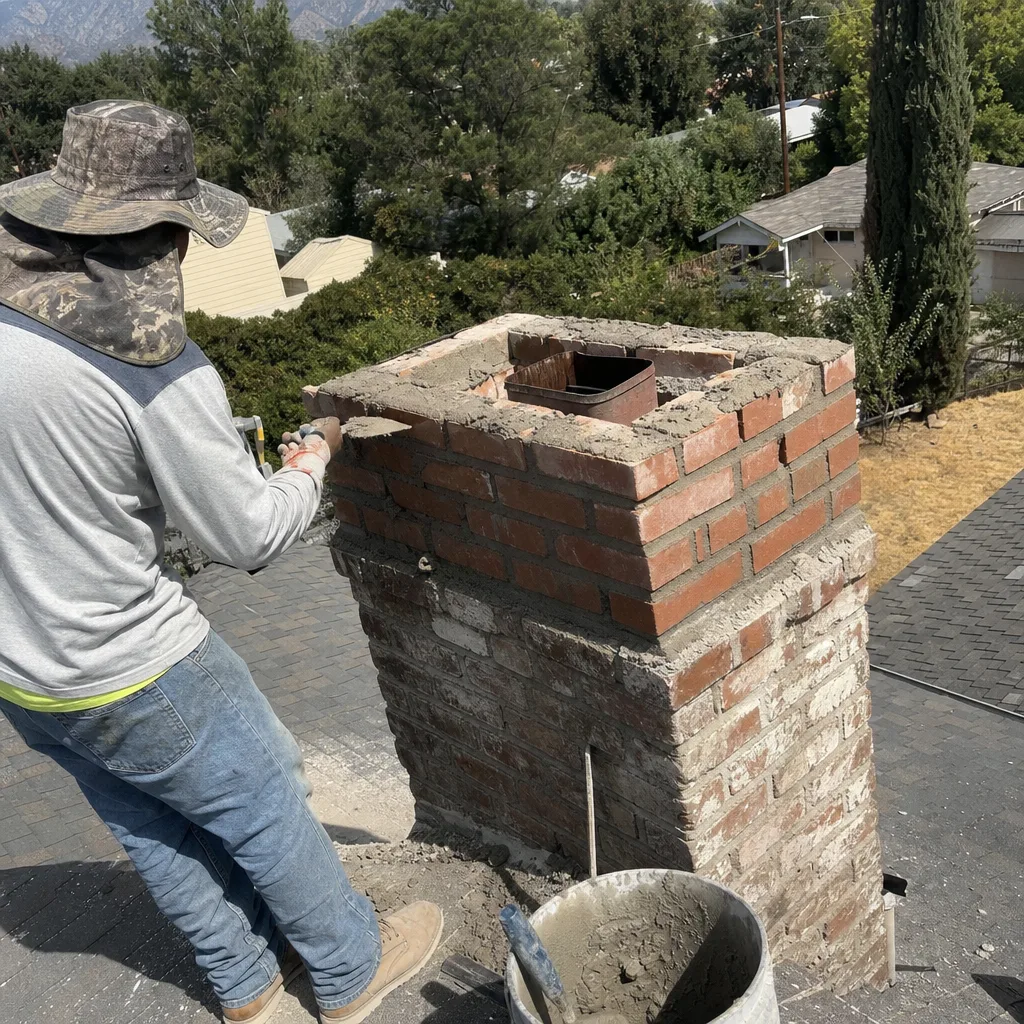
Chimney cleaning prices in Pasadena in 2026 range from $89 to $450 because the service itself ranges from a brush run to a fully documented inspection. The difference isn’t margin. It’s scope: camera or no camera, written record or verbal summary, itemized quote or single number. The annualized cost of documented service is roughly $85 more per year than brush-only - less than one emergency call. What you receive for that difference is verifiable evidence of your chimney’s condition, protection against undocumented upsells, and a record that transfers value when you sell your home. Price against scope, not against other homeowners. And get it in writing before anyone starts.
Written by Corrine Halstead, Owner at Level Two Chimney Pasadena, serving Pasadena since 2009.