
Last updated September 22, 2026
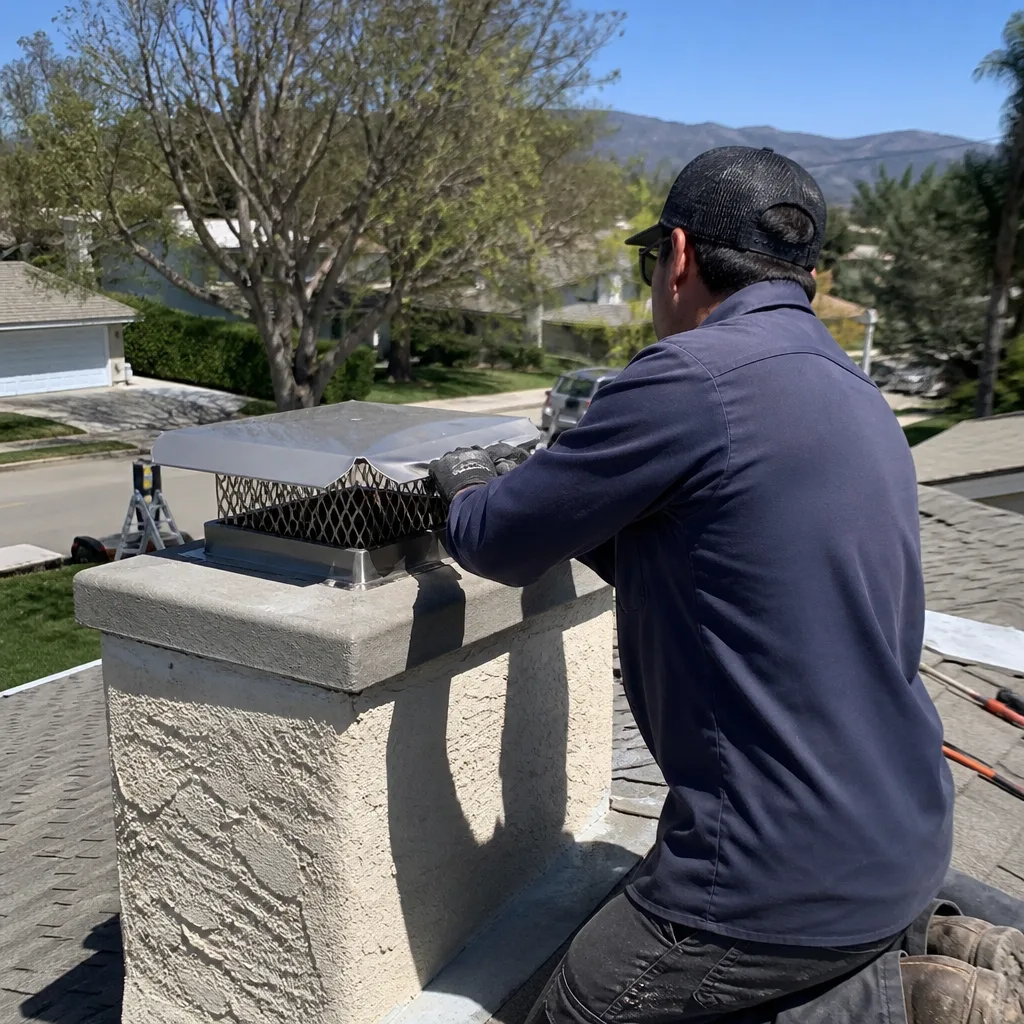
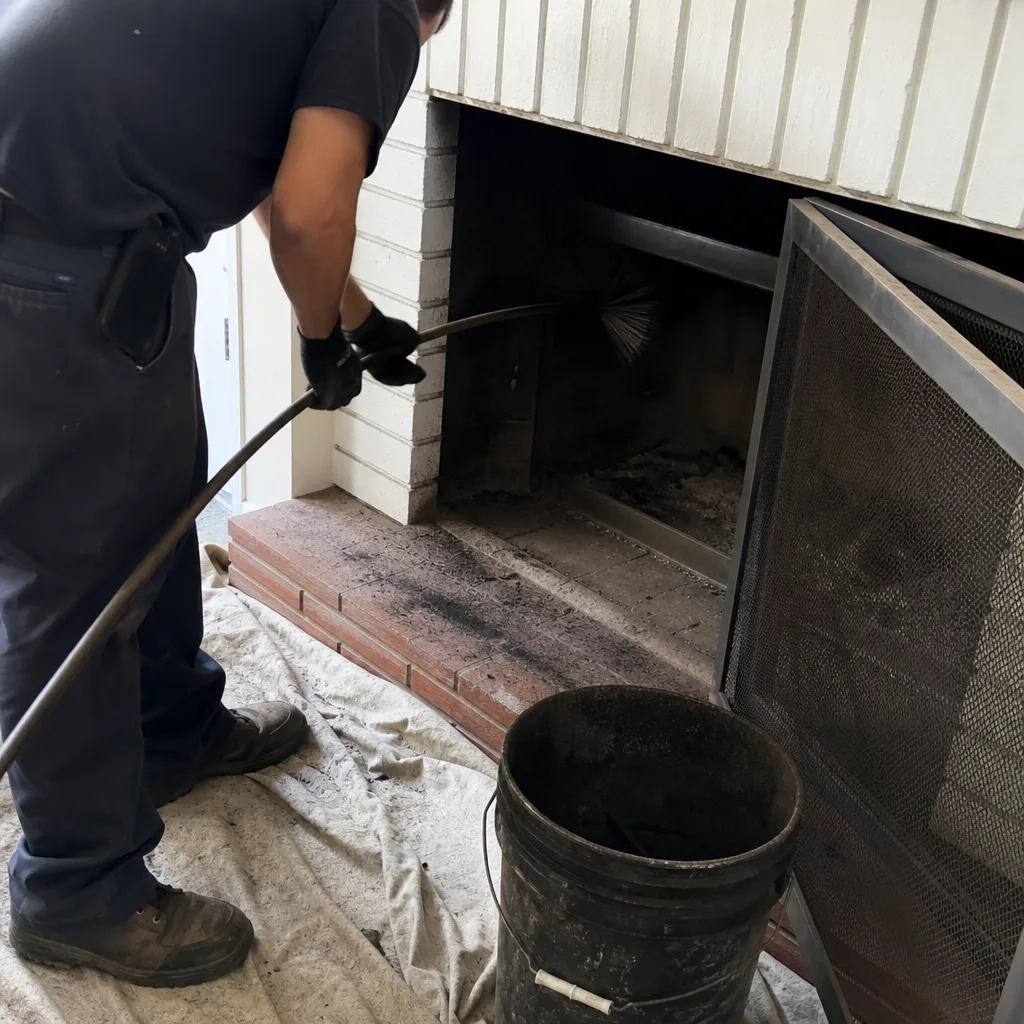
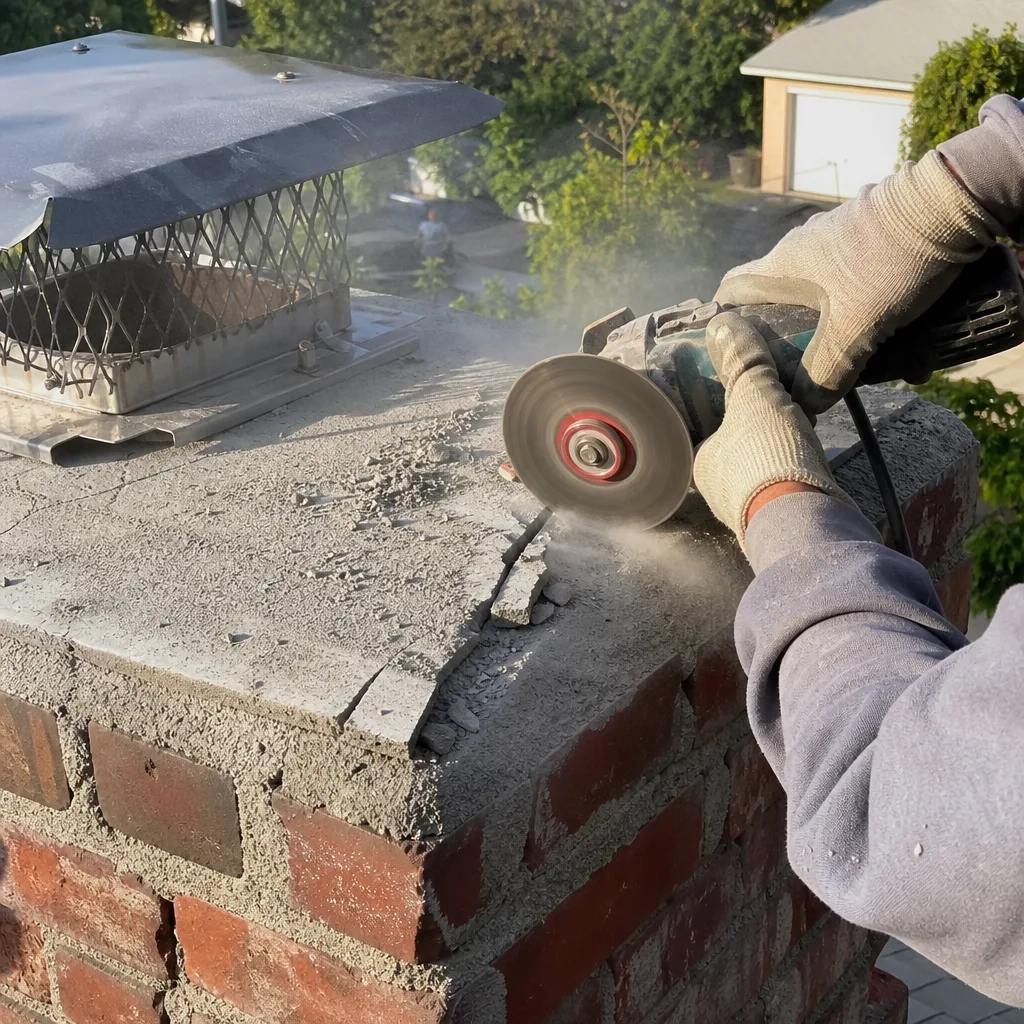
Level 1 sweep and inspection to the NFPA 211 annual standard - flue, crown, cap, and flashing checked and photographed
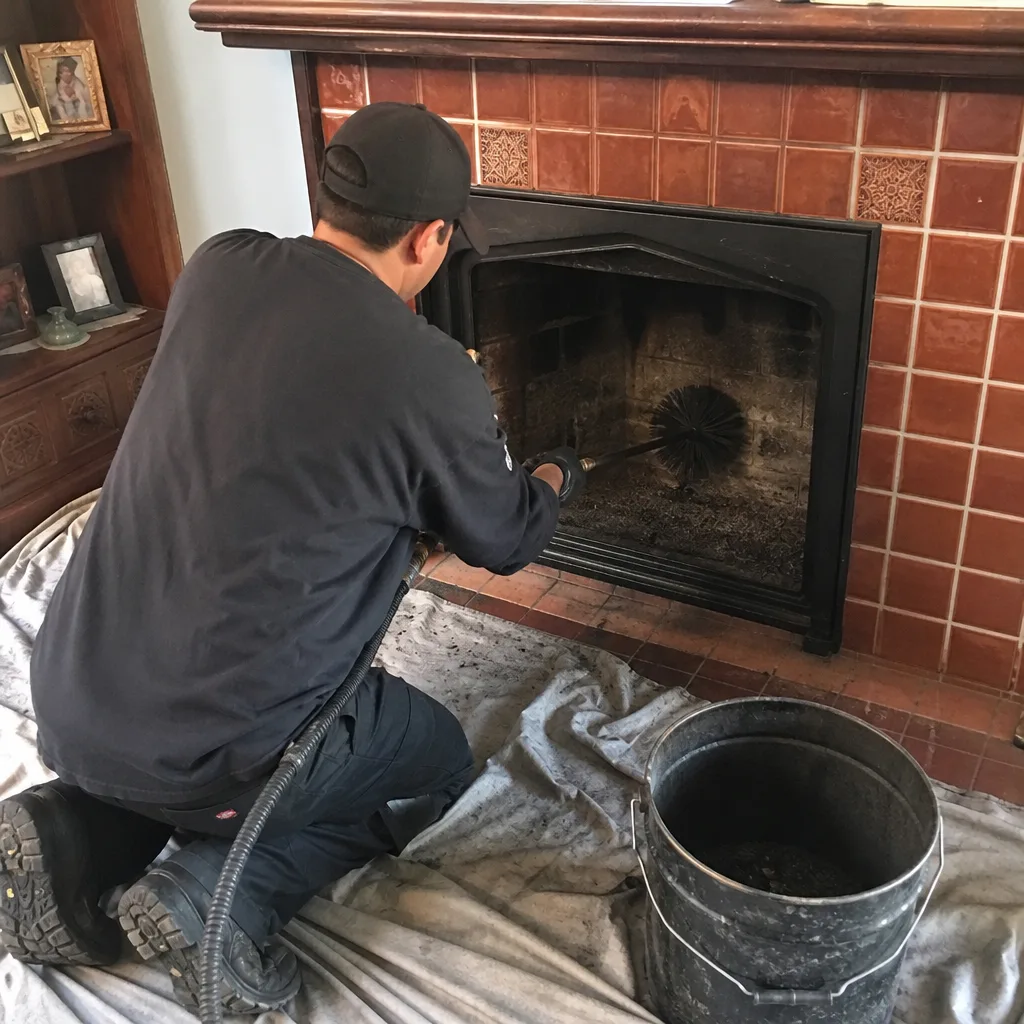
Chimney sweep logs do not sweep chimneys. They loosen some creosote - which then falls where a brush and vacuum still have to collect it.
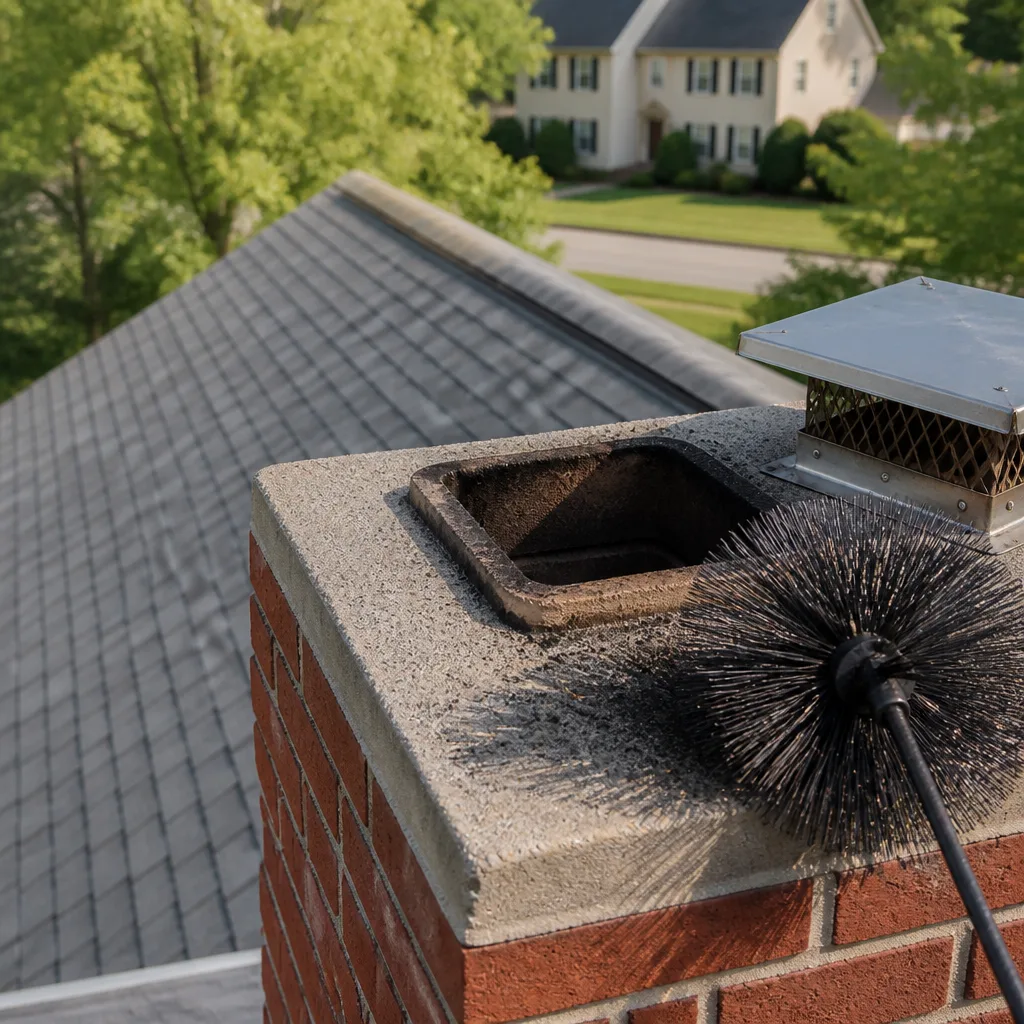
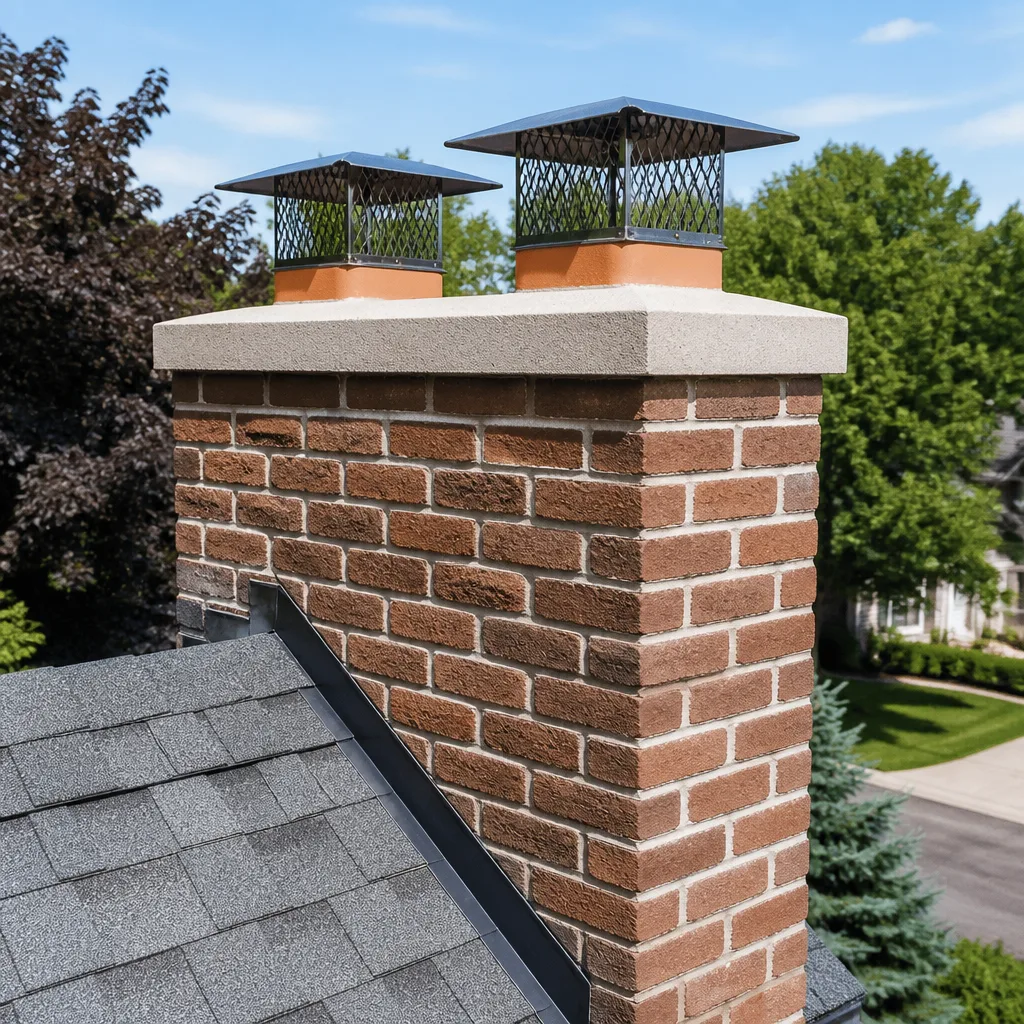
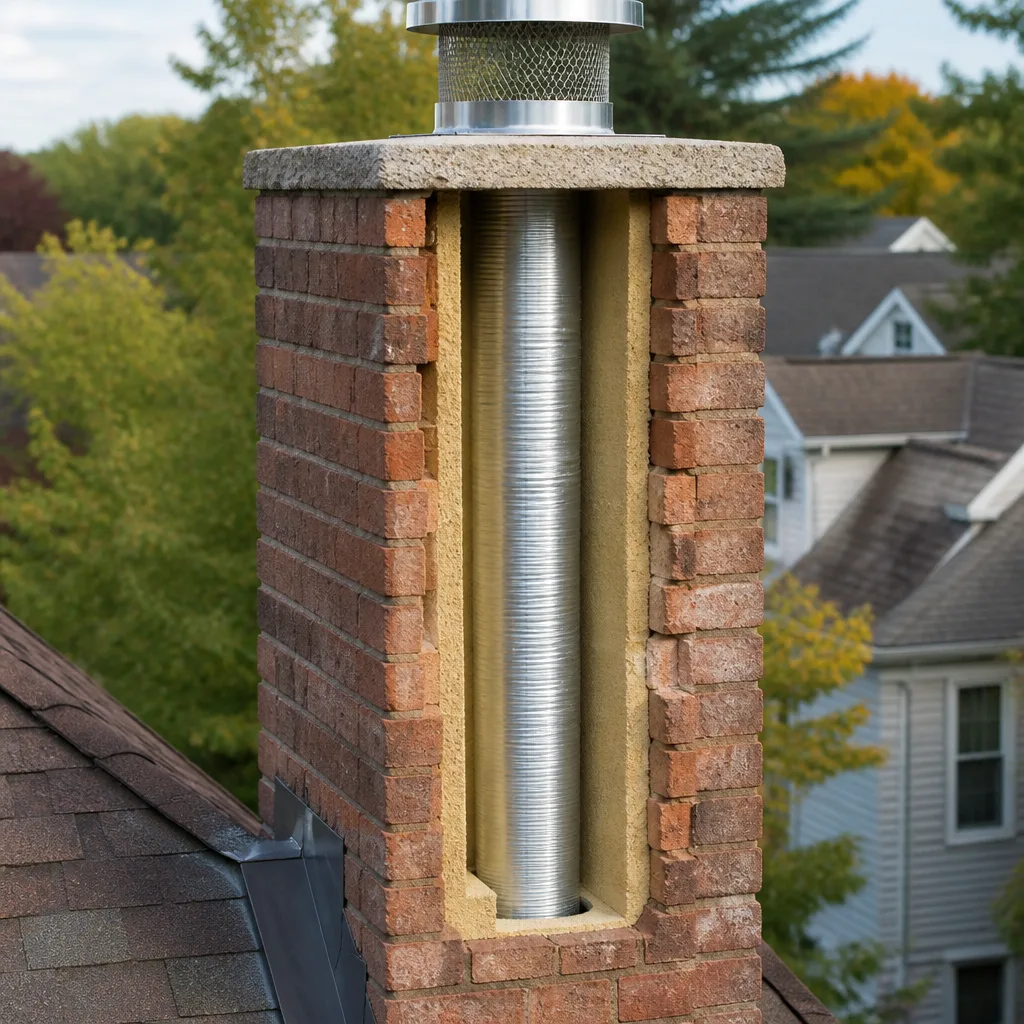
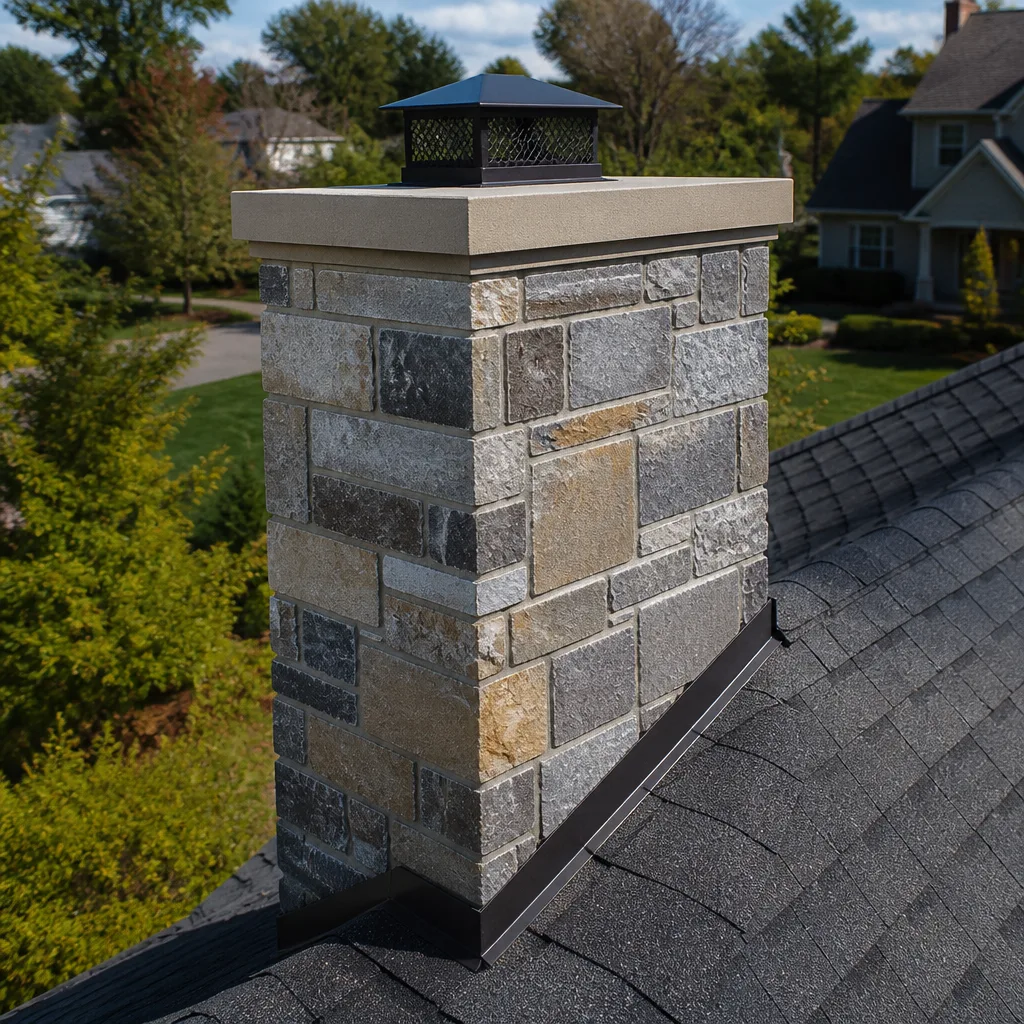
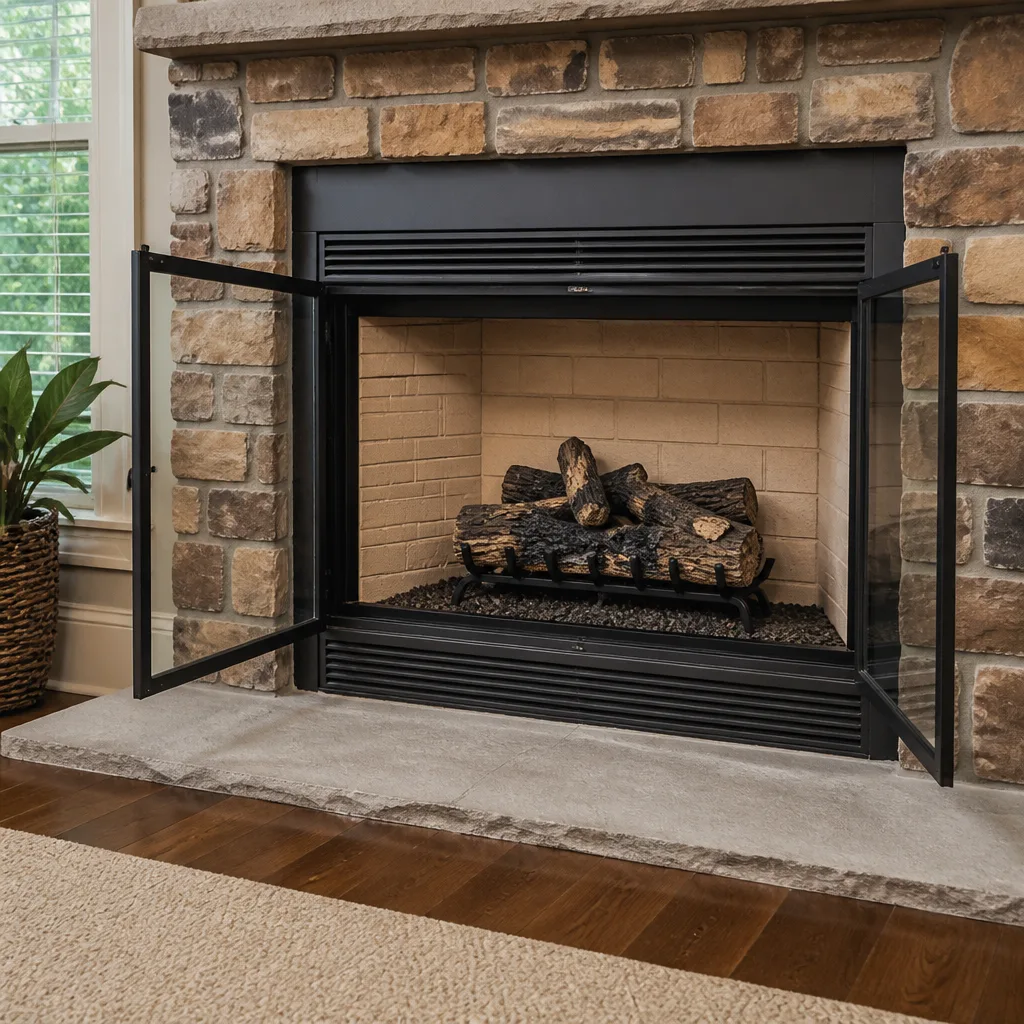
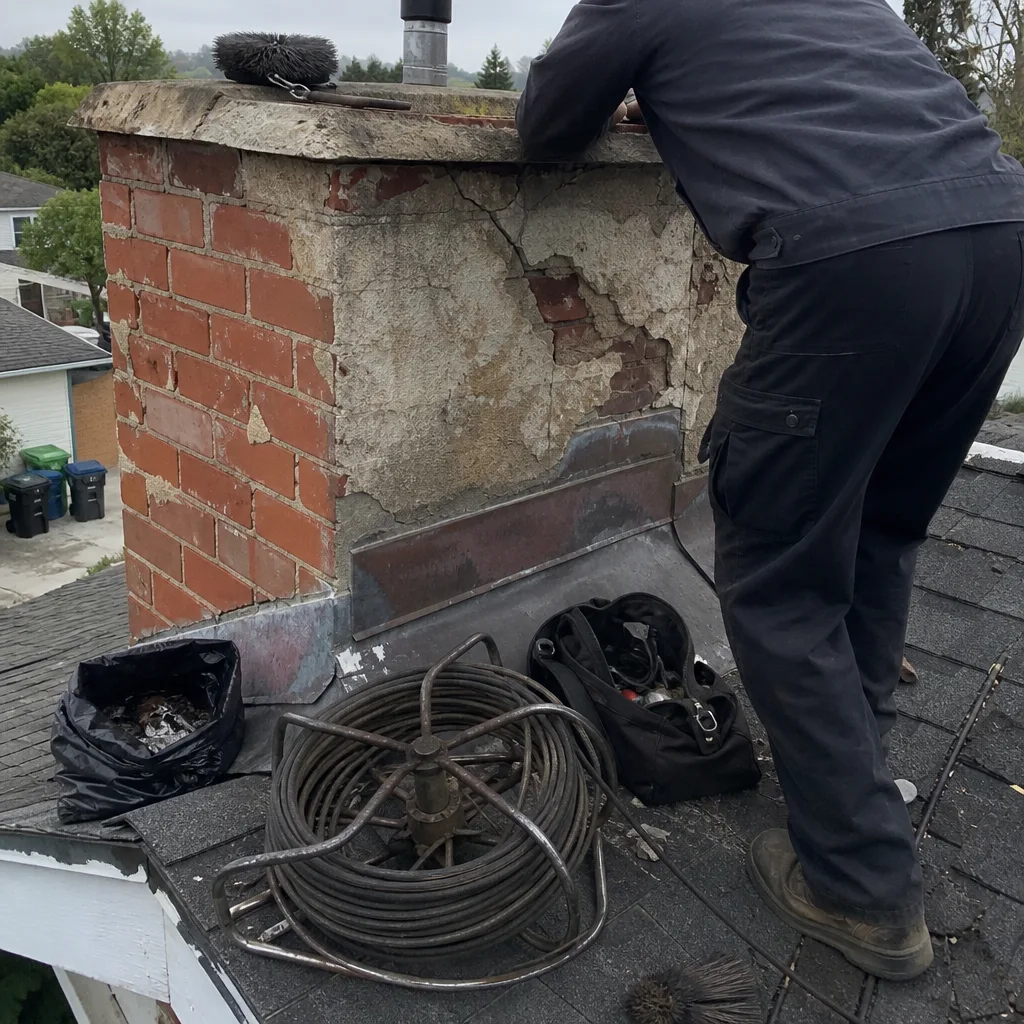 Before
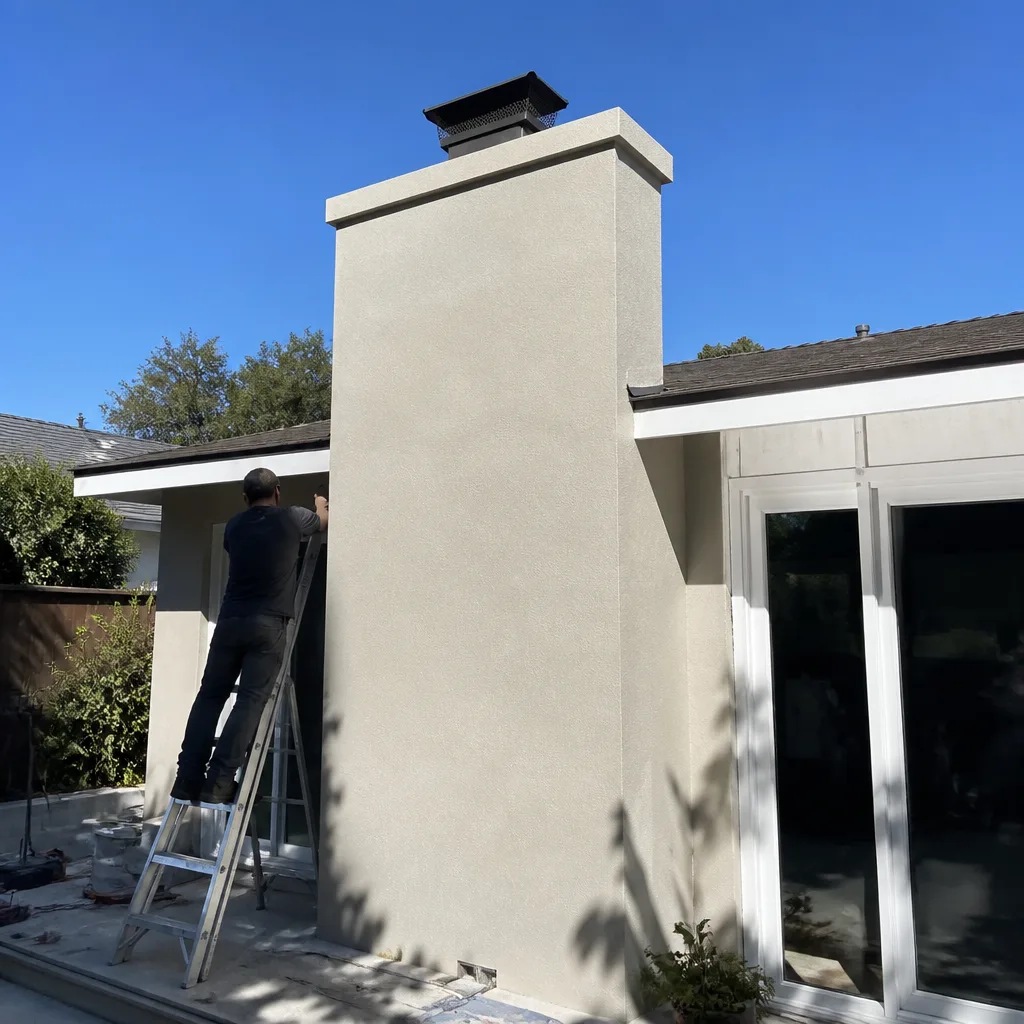 After
After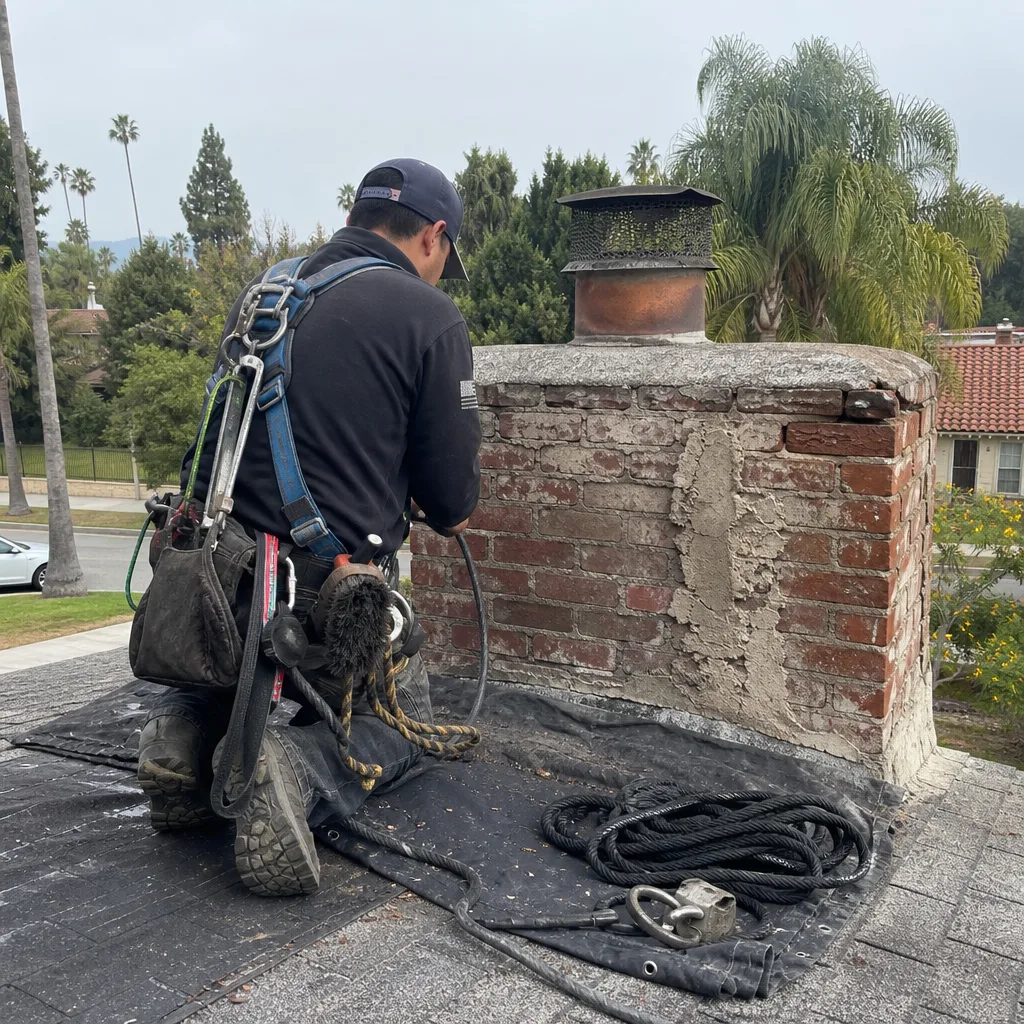 Before
 After
After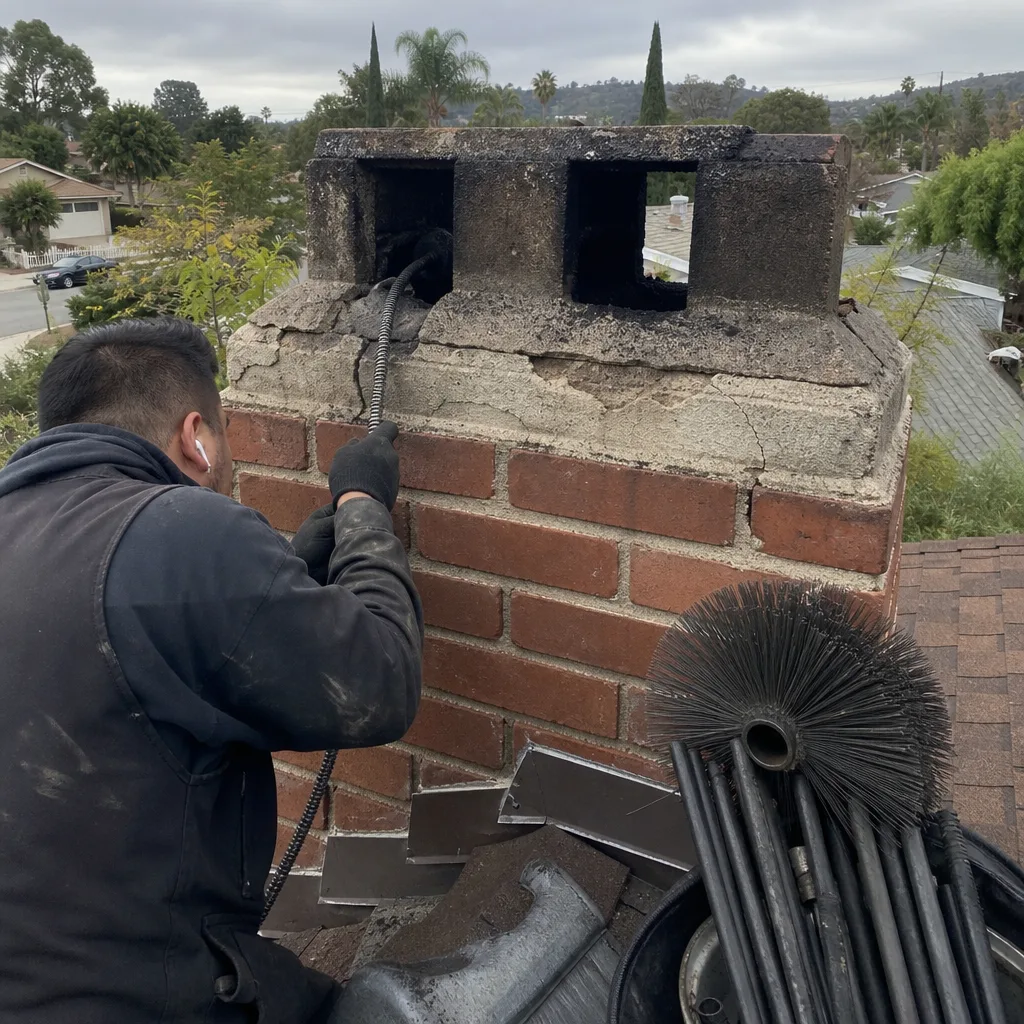 Before
 After
AfterHow to Hire a Chimney Cleaning Contractor in Pasadena: A Step-by-Step Guide
California does not license chimney sweeps. That single fact changes everything about hiring one in Pasadena. The person quoting your chimney cleaning could have incorporated last Tuesday, bought a brush online Wednesday, and be standing on your roof Thursday - and your homeowner’s insurance will not care about the distinction until after a flue fire forces the question. We’ve been sweeping chimneys in Pasadena since 2009, and we’ve seen the aftermath of these hires: the “cleaning” that left glazed creosote in the flue, the “inspection” that missed a separated liner, the invoice with no photos that becomes Exhibit A in a denied claim. This guide - alongside our more guides & resources - runs the vetting sequence before you make the first call. You’ll learn the three credentials that actually transfer liability back to the contractor, the five phone questions that filter out unqualified crews, how to read a quote so disputes don’t happen, and the Pasadena-specific red flags that separate a legitimate sweep from a liability waiting to happen.
Quick Answer
To hire a chimney cleaning contractor in Pasadena, verify CSIA certification, confirm active general liability insurance with you named as additional insured, and demand a written estimate that specifies scope, method, camera documentation, and warranty terms before any work begins. Request proof of all three before scheduling, compare written quotes against identical criteria, and reject any company that offers verbal estimates or pressures you to decide during the first visit.
Table of Contents
- Why California’s Lack of Chimney Sweep Licensing Changes Your Vetting Process
- The Three Credentials That Actually Transfer Liability
- Five Questions to Ask on the Phone Before Scheduling
- How to Read a Chimney Cleaning Quote: What Must Be in Writing
- Pasadena-Specific Red Flags and Market Traps
- A Bid Comparison Framework That Removes Guesswork
- Common Mistakes to Avoid
- When to Call a Professional
- Frequently Asked Questions
- The Bottom Line
BeforeAfterWhy California’s Lack of Chimney Sweep Licensing Changes Your Vetting Process
Most homeowners assume someone climbing their roof with power tools carries a state license. In California, they don’t. The Contractors State License Board (CSLB) does not classify chimney sweeping as a trade requiring licensure. A C-29 masonry classification covers structural chimney work, and a C-36 plumbing classification covers gas appliance venting, but the actual cleaning and inspection of a wood-burning flue? No license required. No continuing education. No bond. No recourse through the CSLB if the job goes wrong.
This matters in Pasadena more than most cities because of our housing stock. The neighborhoods around Bungalow Heaven, the Colorado Street corridor, and the hillside homes above Linda Vista were built across six decades of evolving codes. A 1923 Craftsman in Madison Heights might have an unlined brick flue that was never designed for the insert a previous owner installed. A 1974 tract home in Hastings Ranch could have a factory-built metal chimney with a recalled termination cap. A 2005 rebuild in the San Rafael hills might have a perfectly modern stainless steel liner - or a “sweeps insert” that was never properly connected to the top of the flue. Each requires different knowledge, different tools, and different documentation. An uncredentialed sweep treats them all the same: brush down, vacuum up, invoice out.
The liability gap is real. If a flue fire starts in a chimney that was “professionally cleaned” six months prior, your insurer’s first question will be: who did the work, and what did they document? A CSIA-certified sweep with general liability insurance and a written warranty has skin in the game. A guy with a truck and a website does not. The vetting process described in this guide exists because the state abdicated it.
Pasadena’s specific conditions make this more urgent. Our Santa Ana wind events can create downdraft conditions that push smoke and carbon monoxide back into living spaces. Our dry summers and occasional hard freezes stress masonry crowns and spark arrestors. The oak and eucalyptus that shade so many Pasadena neighborhoods drop leaves that clog caps and encourage moisture retention. These aren’t abstract risks. They’re the specific conditions we document on camera inspections in Altadena-adjacent homes and the Lower Arroyo every burning season.
The Three Credentials That Actually Transfer Liability
Not all credentials are equal. A business license from the City of Pasadena proves someone paid a fee. A Yelp badge proves they bought advertising. These three credentials are the ones that, in our experience and in the claims we’ve seen, actually shift liability back to the contractor when something goes wrong.
CSIA Certification (Chimney Safety Institute of America)
The CSIA Certified Chimney Sweep credential is the only nationally recognized standard for chimney inspection and cleaning. It requires passing a 100-question exam on NFPA 211 (the standard for chimneys, fireplaces, vents, and solid fuel-burning appliances), a separate code exam, and continuing education every three years. The certification is held by the individual sweep, not the company. A company can employ zero certified sweeps and still advertise “professional chimney cleaning.”
Ask for the sweep’s CSIA number. Verify it at csia.org. If the company hedges - “our techs are trained to CSIA standards” or “we follow CSIA guidelines” - they do not have certified sweeps on staff. In Pasadena, we’ve encountered crews who’ve never heard of NFPA 211, let alone passed its exam. The CSIA credential is your baseline filter.
Active General Liability Insurance With You Named as Additional Insured
Here’s the credential most homeowners never request, and most companies hope you won’t. General liability insurance covers damage the contractor causes to your property. But standard GL policies protect the contractor from claims by third parties - not necessarily claims by you, the homeowner, for work that fails.
Request a certificate of insurance (COI) naming you as additional insured for the specific date of service. This costs the contractor nothing and takes their agent five minutes. If they refuse, or if the COI shows coverage that expired three months ago, stop. We’ve seen Pasadena homeowners stuck with $8,000+ in water damage from a cracked flue that was “inspected” and pronounced sound - only to learn the sweep’s policy had lapsed and no one was checking.
The COI should show at least $1 million per occurrence. It should list the company’s legal name, not a DBA that doesn’t match the invoice. Cross-reference it with the business license. Mismatches are common in the cash-economy segment of this trade.
Written Warranty on Labor, With Specific Terms
A warranty without terms is marketing. You need: what is covered, for how long, what triggers it, and what the remedy is. “Satisfaction guaranteed” is not a warranty. “Labor warranted for 365 days against defects in workmanship, with return visit at no charge” is.
At Level Two Chimney Pasadena, our 365-Day Done Right Promise is stamped on every job under the Haven Standard. If it’s not done right, we make it right. The terms are specific, the remedy is defined, and it’s in writing before work starts. Any contractor unwilling to put warranty terms in writing is transferring all risk to you.
These three credentials work together. CSIA certification establishes competence. Insurance with you named establishes financial accountability. A written warranty establishes standing to demand correction. Without all three, you’re hiring a gamble, not a professional.
Five Questions to Ask on the Phone Before Scheduling
The phone call is your first filter. A legitimate contractor in Pasadena has clear answers. A questionable one deflects, rushes, or contradicts themselves. Ask these five questions in order. The specific answers that should disqualify a company immediately are noted after each.
- “Will the technician who comes to my home be CSIA certified, and can I have their certification number in advance?”
Disqualifying answers: “All our techs are certified” (no specific name/number), “We train to CSIA standards,” “The owner is certified but he doesn’t do field work,” or any refusal to provide a number you can verify. A legitimate company knows exactly who is assigned to your job and can provide credentials. - “Can you email me a certificate of insurance naming me as additional insured before you schedule the appointment?”
Disqualifying answers: “We have insurance, don’t worry,” “The tech brings proof to the job,” “That’s only for big jobs,” or any request that you “just trust us.” Insurance verification is standard in every legitimate trade. Resistance means they’re uninsured, underinsured, or hiding something. - “What does your written estimate include, and will I receive it before any work begins?”
Disqualifying answers: “The tech will quote it when he gets there,” “We can’t price until we see it,” “It’s just a standard sweep, it’s always the same,” or any suggestion that pricing happens after arrival. A written estimate with scope, method, and price is Haven Standard Clause 1: Have it in writing. If they won’t commit on paper, they won’t stand behind the work. - “Do you use a chimney camera on every inspection, and will I receive photos or video of my flue?”
Disqualifying answers: “We only camera if we see a problem,” “Cameras are extra,” “Our tech has a flashlight, that’s enough,” or any suggestion that visual inspection without documentation is acceptable. NFPA 211 Level 2 inspection requires internal evaluation. In 2024, that means camera documentation. Clause 4 of the Haven Standard requires a photo record on every job - we’ve done this since 2009, before regulators or insurers asked for it. - “What is your warranty on this work, and will it be in writing on the estimate?”
Disqualifying answers: “We guarantee our work,” “We’ve never had a complaint,” “The manufacturer’s warranty covers it,” or any vague assurance without specific terms, duration, and remedy. A warranty is a contract term, not a feeling.
If a company passes all five, schedule the appointment. If they fail any one, keep calling. In Pasadena’s market, the companies that survive on upsell pressure and undocumented work depend on homeowners skipping this vetting. Don’t.
How to Read a Chimney Cleaning Quote: What Must Be in Writing
The quote is where most disputes begin. A verbal estimate given over the phone or at your kitchen table creates two versions of reality: what you heard, and what the contractor later claims they said. Written estimates eliminate this. Here’s what a legitimate chimney cleaning quote in Pasadena must include, and what its absence signals.
Required Elements
- Scope of work: Exactly what will be done. “Chimney sweep and NFPA 211 Level 2 inspection of one wood-burning fireplace flue, from firebox to termination cap.” Not “chimney service” or “standard cleaning.”
- Method: How the work will be performed. “Rotary power sweeping with HEPA vacuum containment, camera scan of full flue length, inspection of smoke chamber, firebox, damper, and exterior crown/cap/flashings.” This tells you whether you’re getting a modern sweep or a brush-and-pray job.
- Camera documentation: Explicit confirmation that internal camera inspection is included, with photo or video deliverables. “Digital photo record of flue interior, delivered via email within 24 hours.” If this line is missing, you’re paying for a flashlight look.
- Price: Total dollar amount, with line-item breakdown if multiple services are quoted. “Chimney sweep and Level 2 inspection: $285.” Not “starting at $285” or “$285-$485 depending on condition.”
- Warranty terms: Specific language on what is guaranteed, for how long, and the remedy. “Labor warranted 365 days against defects in workmanship. Return visit at no charge if sweep-related issues arise.”
- Exclusions: What is not included. “Repair work, liner installation, masonry repair, and parts quoted separately if needed.” This prevents the “while we’re here” upsell ambush.
- Company information: Legal business name, license numbers if applicable, insurance carrier, and contact information matching the COI you requested.
The Verbal Estimate Trap
Verbal estimates serve one purpose: they let the contractor change the price after seeing your home, your neighborhood, or your willingness to pay. We’ve heard from Pasadena homeowners quoted “$150-$200” over the phone who faced $1,800 invoices after the tech “discovered” urgent liner damage - damage that camera documentation would have revealed, or disproven, before any work started.
The Haven Standard’s first clause, H.A.V.E.N. “Have it in writing,” exists because we saw this pattern repeatedly in our early years. Every job at Chimney Cleaning & Sweep in Pasadena is quoted in writing before work begins, with no exceptions. Not because we’re cautious, but because we’ve seen what happens when contractors operate without this constraint.
Line-Item Pricing Clarity
Here’s how legitimate chimney cleaning pricing in Pasadena typically structures:
- Chimney sweep and NFPA 211 Level 2 inspection (single wood-burning flue): $250-$350
- Additional flue (same chimney structure): $150-$225
- Gas appliance flue inspection (no sweep): $175-$250
- Camera inspection with photo documentation only (no sweep): $200-$275
Prices vary based on accessibility (steep roof pitch, multiple stories, tight clearances), but the range should be narrow and explained. A quote of “$95” is a loss-leader for an upsell. A quote of “$800” for a basic sweep is either gouging or includes undisclosed services. Ask which.
Pasadena-Specific Red Flags and Market Traps
Pasadena’s housing market creates specific opportunities for dishonest operators. High home values, older housing stock, and affluent neighborhoods attract crews who know that fear sells. Here are the patterns we’ve documented locally.
The “Free Inspection” That Finds $4,000 in Urgent Damage
A company offers a free or deeply discounted “inspection” - often door-to-door or via mailed coupon. The “inspector” arrives, spends ten minutes on the roof, and returns with photos (sometimes stock photos, sometimes from a different house) showing cracked crowns, missing mortar, or “dangerous” liner conditions. The solution is always immediate, expensive, and pressure-laden. “I can have my crew start tomorrow, but I need a decision today.”
Legitimate chimney work in Pasadena does not require same-day decisions. A separated flue liner, if real, is documented with camera footage you can review yourself. A crown with hairline cracking can be monitored. The “free inspection” model exists to create artificial urgency and prevent second opinions. At Level Two Chimney Pasadena, we offer a Free Second Opinion on Any Written Estimate - bring us a competitor’s written quote, and we’ll review their findings against our own camera inspection.
Pricing That Excludes Camera Documentation
Some Pasadena-area companies advertise low sweep prices by stripping out the inspection component. “$189 chimney sweep!” sounds competitive until you learn it includes no internal camera evaluation, no photo record, and no written documentation of flue condition. You’ve paid for a brush cleaning and a verbal assurance. If a flue fire follows, you have no evidence that the flue was sound or compromised at the time of service.
Camera documentation is not an upsell. It’s the standard of care. Clause 4 of the Haven Standard requires a photo record on every job because without it, neither you nor your insurer can verify what was actually found. We’ve maintained this archive since 2009 - more than 38,000 documented inspections - and that practice became the model for Haven Standard Clause 4.
Unlicensed Crews Performing Liner Replacements
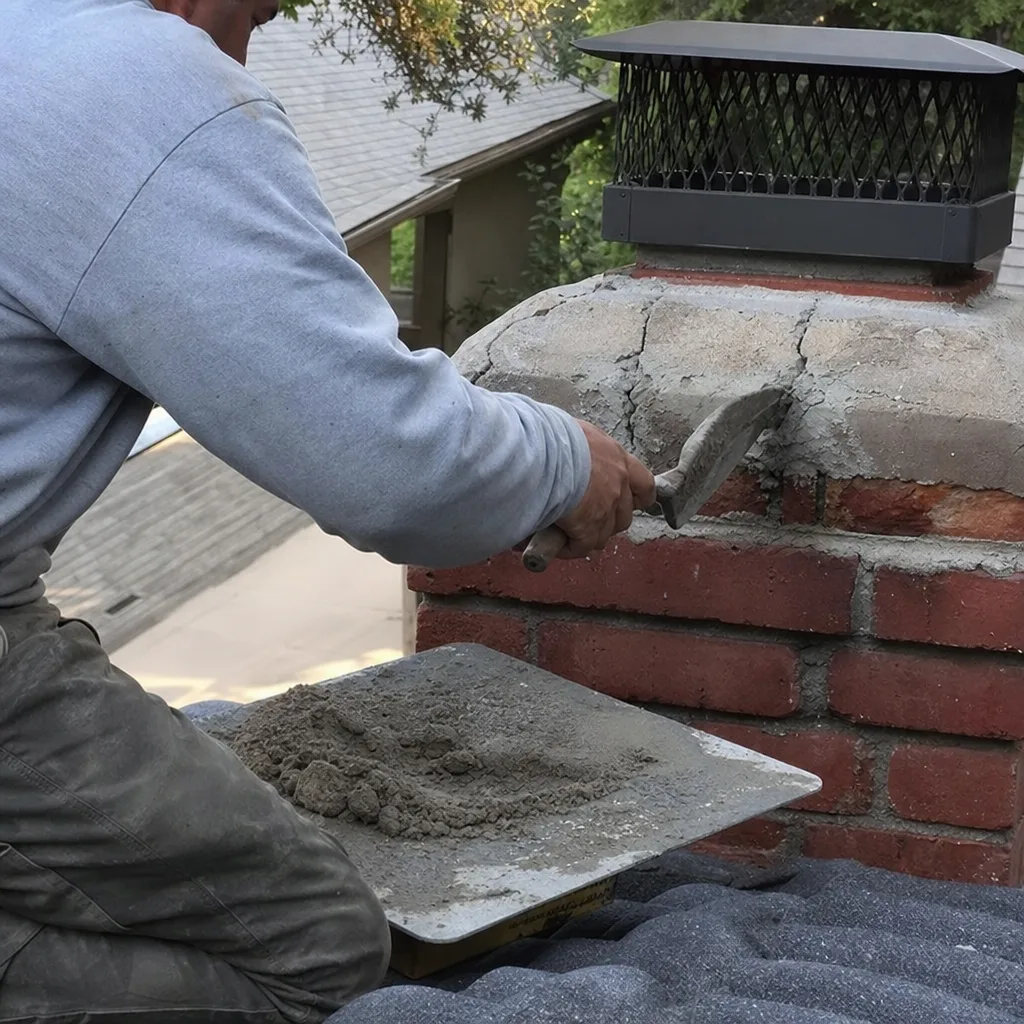
Chimney liner installation in California requires a C-29 masonry contractor’s license for structural work or proper oversight - a requirement covered in our Chimney Cleaning Permits, Codes & Inspections in CA: What You Need to Know. Unlicensed crews routinely perform this work anyway, often after “discovering” the need during a routine sweep. The liners may be improperly sized (a common error with flexible stainless steel inserts), poorly connected at the thimble or termination, or installed without proper insulation - each creating fire hazards the homeowner won’t detect until it’s too late.
We use materials from DuraFlex, HeatShield, and Olympia Chimney, procured through Haven’s buying network specifically to keep customer prices honest. But materials are only as good as the installation. Always verify the license classification for any structural or liner work, and demand camera documentation of the completed installation.
Invoices With No Before-and-After Documentation
A legitimate sweep in Pasadena should provide: photos of the flue before cleaning, photos after, and a written summary of findings. An invoice with only a dollar amount and a payment line is not documentation. It’s a receipt for a service you cannot verify was performed correctly. If your chimney ever becomes evidence in an insurance claim or property dispute, this documentation is your protection.
A Bid Comparison Framework That Removes Guesswork
Most homeowners compare bids by price and gut feel. This framework forces identical criteria, so you’re evaluating the same service across different contractors. Use it for any two or three quotes you’re considering in Pasadena.
| Criterion | Contractor A | Contractor B | Contractor C |
|---|---|---|---|
| CSIA-certified sweep assigned? | |||
| COI with me as additional insured provided? | |||
| Written estimate received before work? | |||
| Scope explicitly stated (what, how, where)? | |||
| Camera inspection included? | |||
| Photo/video deliverable specified? | |||
| Warranty terms in writing? | |||
| Price (total, with line items if multi-service)? | |||
| Exclusions stated? | |||
| Company legal name matches COI and license? |
Score each contractor yes/no or note specifics. A contractor who scores “yes” on all ten criteria and charges $320 is a better value than one who scores “no” on four and charges $195. The $125 difference buys you transferrable liability, documented evidence, and standing to demand correction if something fails.
We’ve applied this framework ourselves when reviewing competitor quotes brought in for second opinions. The pattern is consistent: low bids omit camera work, lack written warranties, or assign uncertified techs. High bids sometimes include unnecessary services. The framework reveals both.
Common Mistakes to Avoid
- Hiring based on price alone. The lowest bid in Pasadena often excludes camera inspection, assigns an uncertified tech, or carries no meaningful warranty. The $200 you “save” becomes unrecoverable when the flue fire starts and your insurer denies the claim for inadequate documentation.
- Accepting verbal estimates. Every dispute we’ve mediated between Pasadena homeowners and contractors began with “but he said…” A written estimate with scope, method, and price prevents this. If they won’t put it in writing, they won’t stand behind it.
- Skipping insurance verification. “Fully insured” on a website means nothing. Request the COI. Name yourself as additional insured. This five-minute step is the difference between a covered loss and a personal expense.
- Assuming all sweeps are basically the same. The difference between a CSIA-certified sweep with a camera and an uncredentialed brush operator is the difference between documented evidence and a gamble. In Pasadena’s older housing stock, that difference can be structural.
- Ignoring the warranty fine print. “Satisfaction guaranteed” has no legal meaning. “Labor warranted 365 days against defects in workmanship, with return visit at no charge” does. Read the terms. Ask what “defects in workmanship” specifically covers.
- Scheduling during burning season without pre-season inspection. Pasadena’s first cold snap in November creates a rush. Sweeps are booked, prices rise, and vetting shortcuts happen. Schedule your inspection in September or October, when you have time to compare bids and verify credentials.
- Not requesting the specific technician’s credentials. A company may employ one certified sweep and five uncertified helpers. Ask who is coming to your home, and verify their individual certification. Don’t accept “the whole team is trained.”
When to Call a Professional
Call a professional chimney sweep in Pasadena when: you haven’t had an NFPA 211 Level 2 inspection in the past 12 months; you notice smoke drafting poorly, odors from the fireplace when not in use, or visible creosote flakes in the firebox; you’re buying or selling a home and need documented flue condition; or your homeowner’s insurance requires inspection documentation for renewal. These aren’t optional maintenance moments. They’re the points where undetected conditions become active hazards.
If you’ve received a written estimate from another contractor and want a second opinion, Chimney Repair in Pasadena includes our Free Second Opinion service - bring us any competitor’s written quote, and we’ll review their findings with our own camera inspection.
Level Two Chimney Pasadena offers free estimates in Pasadena - call (213) 459-6058.
Frequently Asked Questions
A professional chimney sweep and NFPA 211 Level 2 inspection for a single wood-burning flue in Pasadena typically costs $250-$350, with additional flues on the same structure running $150-$225. Gas appliance flue inspections without sweeping generally range $175-$250. Prices vary based on roof accessibility and flue condition, but any quote should include camera documentation and a written warranty. Call (213) 459-6058 for an exact quote - estimates are free.
You need a new liner if camera inspection reveals cracks, gaps, or deterioration that compromise the flue’s ability to contain heat and combustion byproducts - but not because a sweep says so without showing you the evidence. In Pasadena’s older homes, unlined brick flues and damaged clay tile liners are common, but so are unnecessary liner replacements sold under pressure. Demand camera footage of the specific damage, get a second opinion on any $2,000+ recommendation, and remember that not all liner damage requires immediate replacement - some conditions can be monitored annually. Call (213) 459-6058 for a free second opinion on any written estimate.
The National Fire Protection Association recommends annual inspection of all chimneys, fireplaces, and vents, with cleaning as needed based on creosote accumulation. In Pasadena, where many homeowners burn oak and eucalyptus (both high-creosote woods) during occasional cold snaps, annual sweeping is prudent for regular users. Occasional burners may extend to every two years if inspection shows minimal buildup, but the inspection itself should remain annual. The dry Santa Ana conditions and temperature swings in Pasadena also stress masonry and metal components, making the inspection component as important as the cleaning.
Skipped maintenance leads to creosote buildup that ignites at 451°F - a temperature easily reached in normal fireplace operation - causing flue fires that damage liners, spread to framing, or destroy homes. In Pasadena’s hillside neighborhoods with dense vegetation and limited fire department access, this risk is amplified. Carbon monoxide infiltration from cracked flues or blocked vents poses a silent, lethal hazard. And when damage occurs, your insurer will request maintenance records; without documented annual inspections, coverage may be denied. The cost of prevention is a fraction of the cost of remediation.
You can remove superficial ash and debris from the firebox, but internal flue cleaning and structural inspection require specialized equipment and training that most homeowners don’t possess. Class III glazed creosote - the hard, tar-like buildup common in Pasadena’s occasional-burner chimneys - requires rotary power tools and chemical treatment, not a hardware-store brush. More critically, you cannot evaluate your own flue liner for cracks or separation without a chimney camera, and you cannot assess crown, flashing, or structural conditions from inside the home. For safety and documentation, hire a CSIA-certified professional.
A Level 1 inspection is a visual examination of readily accessible portions of the chimney exterior and interior, appropriate for chimneys under continued use with no changes. A Level 2 inspection - required when selling a home, after a chimney fire or seismic event, or when changing appliance type - includes examination by video scanning device of internal surfaces and all accessible portions of the chimney exterior and interior. In Pasadena, where seismic activity, aging housing stock, and real estate transactions are common, Level 2 is the appropriate default. Clause 4 of the Haven Standard requires camera documentation on every job, which meets and exceeds Level 2 requirements. Chimney Cleaning & Sweep in Pasadena includes this as standard.
The Bottom Line
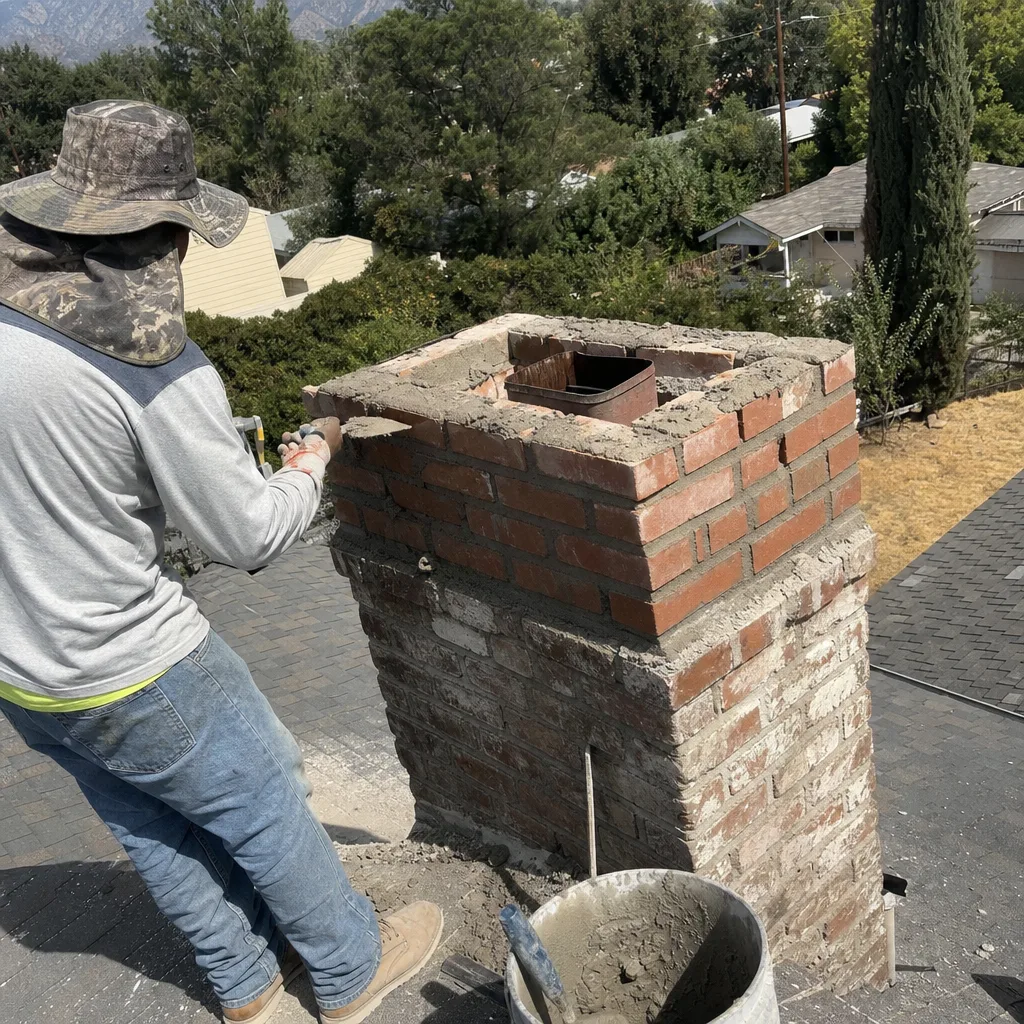
Hiring a chimney cleaning contractor in Pasadena is a credentialing and documentation problem. California’s lack of licensing means anyone can claim expertise; your job is to verify it. Require CSIA certification, confirm insurance with you named, and demand a written estimate with scope, method, camera documentation, and warranty terms before any work begins. Use the phone questions to filter before scheduling, the quote-reading framework to evaluate what you receive, and the comparison matrix to remove guesswork from bid evaluation. The contractor who passes all these filters isn’t just cheaper or faster - they’re the one who transfers liability back to themselves, where it belongs. That’s the difference between a service and a liability.
Written by Corrine Halstead, Owner at Level Two Chimney Pasadena, serving Pasadena since 2009.