
Last updated September 22, 2026
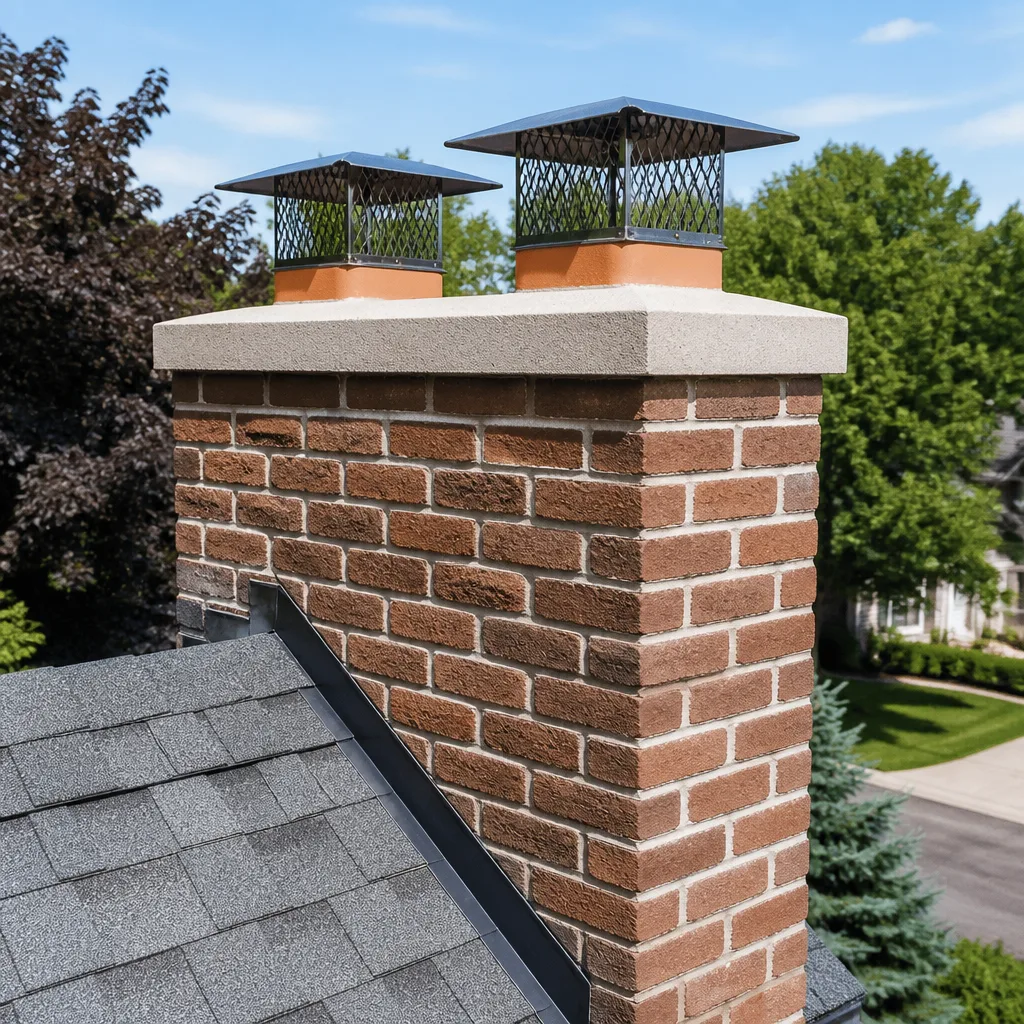
Level 1 sweep and inspection to the NFPA 211 annual standard - flue, crown, cap, and flashing checked and photographed
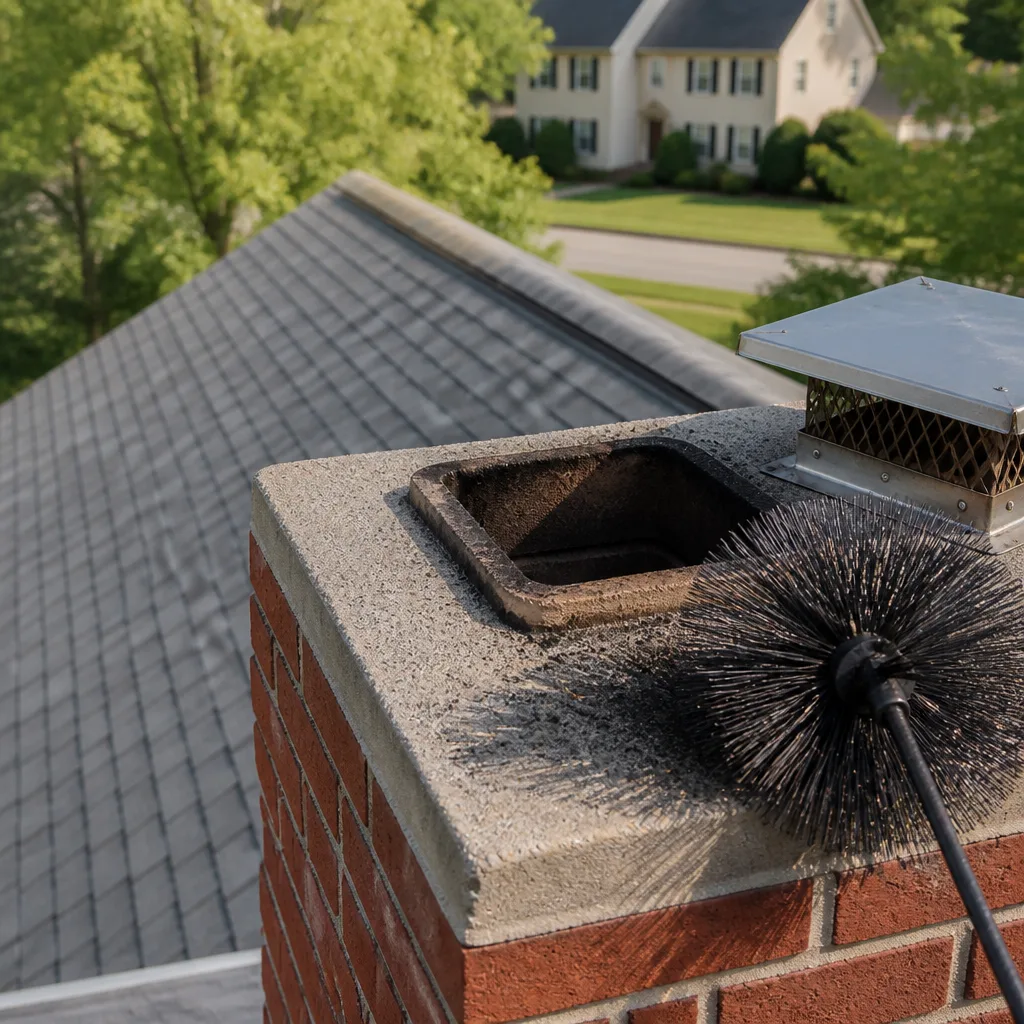
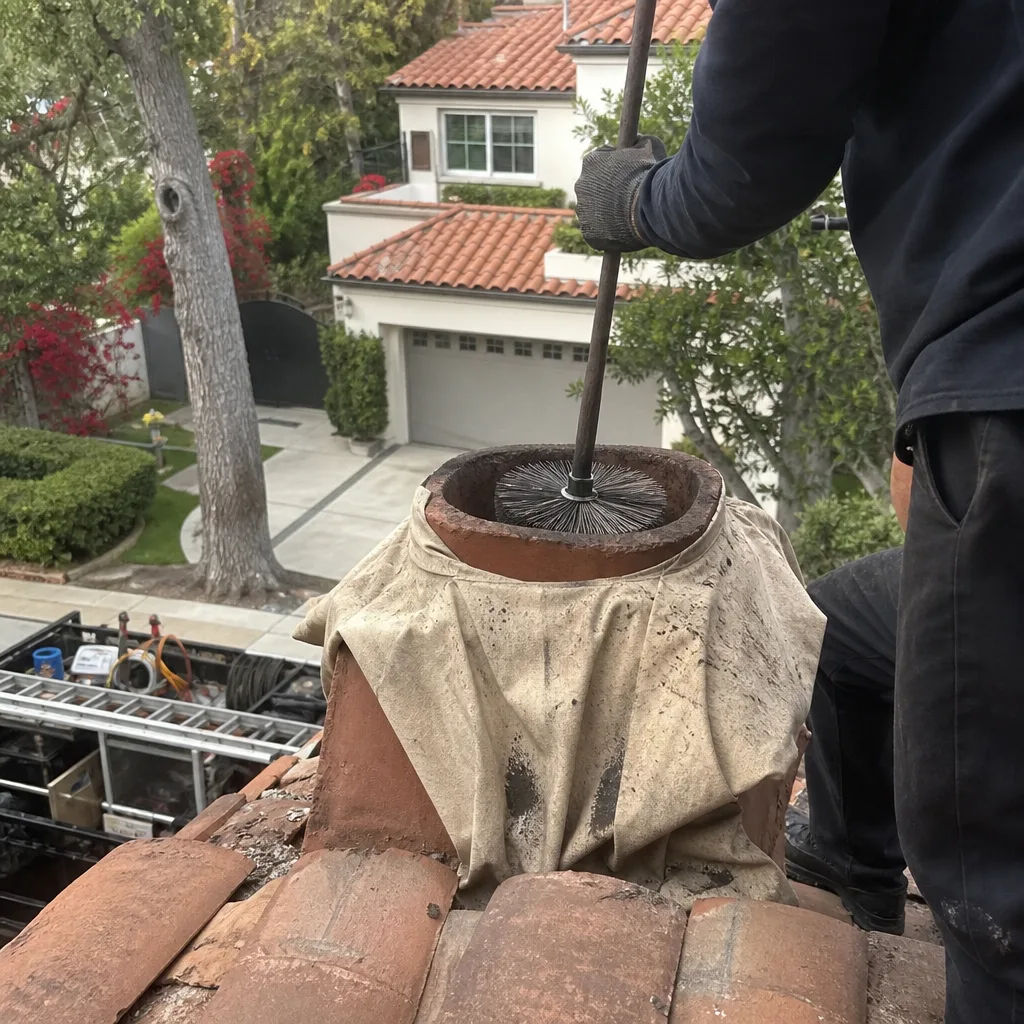
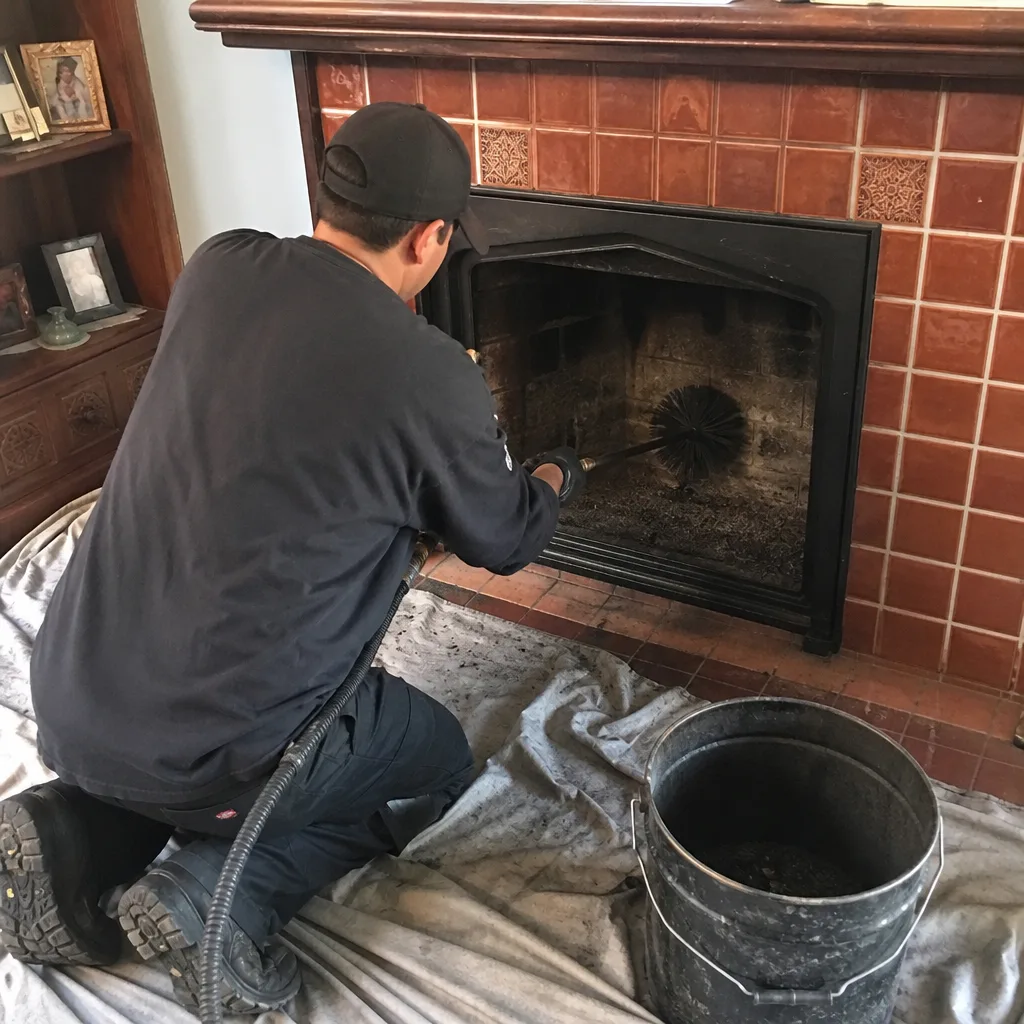
Chimney sweep logs do not sweep chimneys. They loosen some creosote - which then falls where a brush and vacuum still have to collect it.
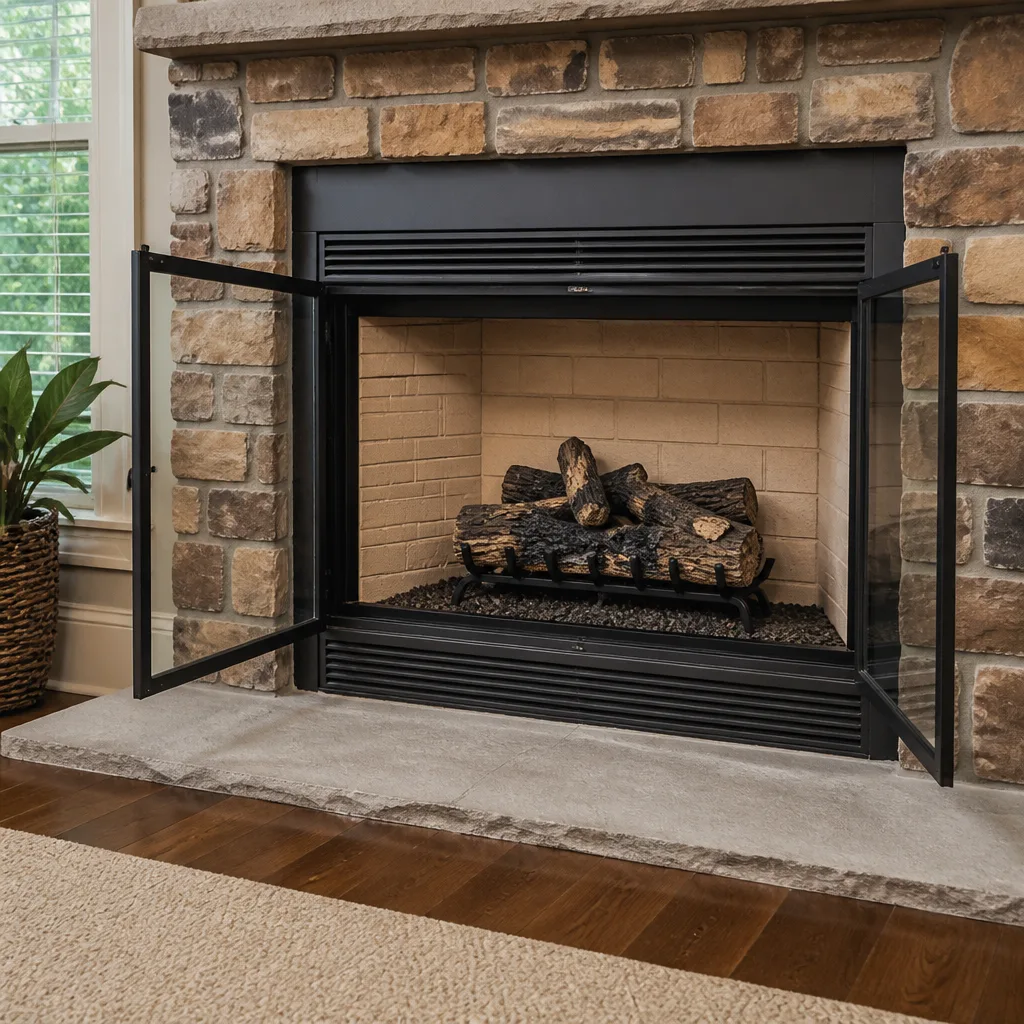
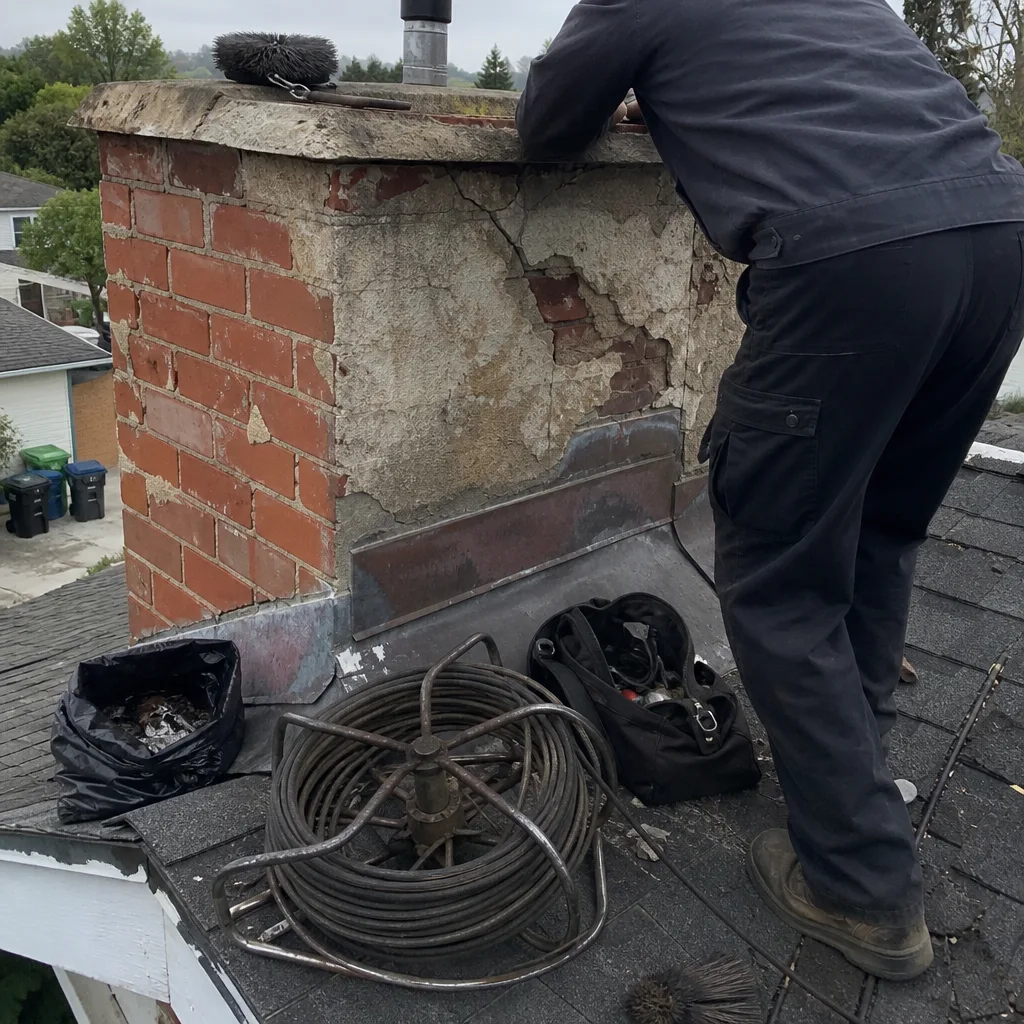 Before
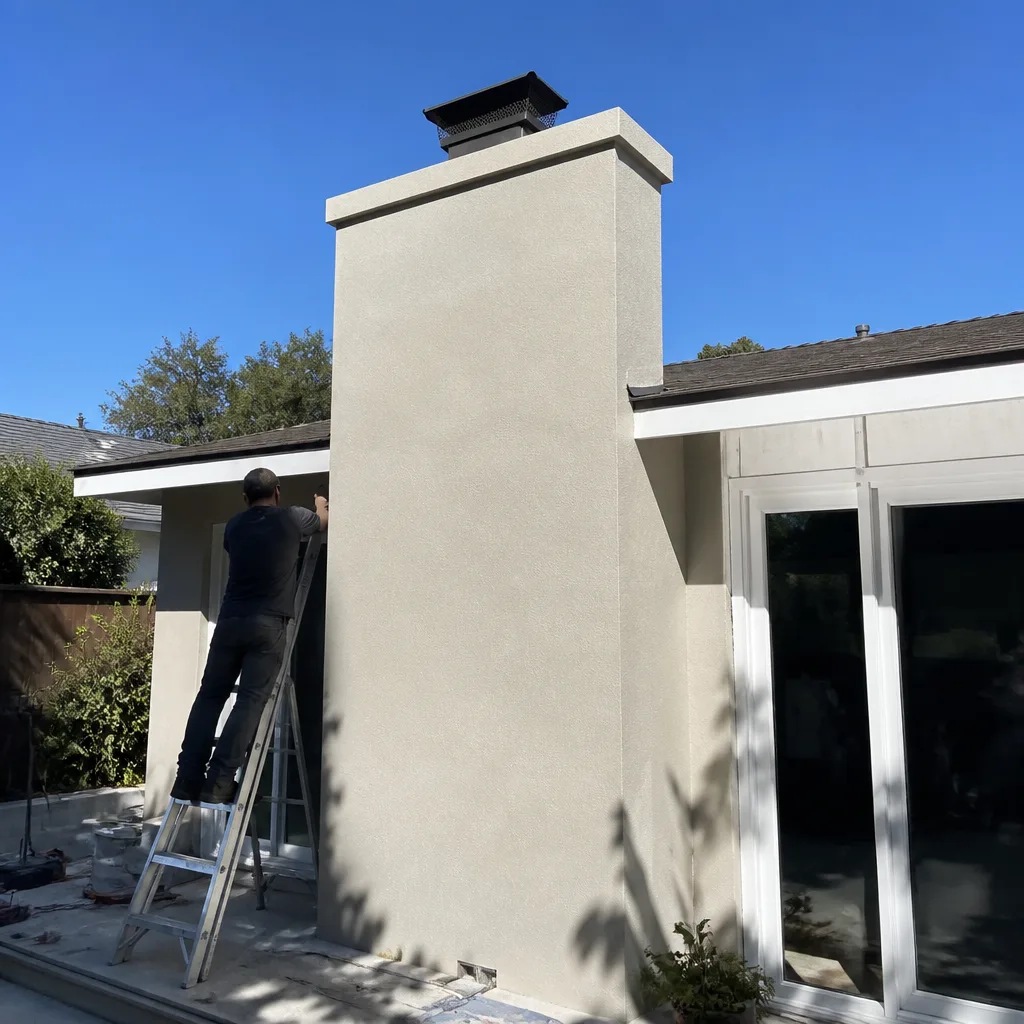 After
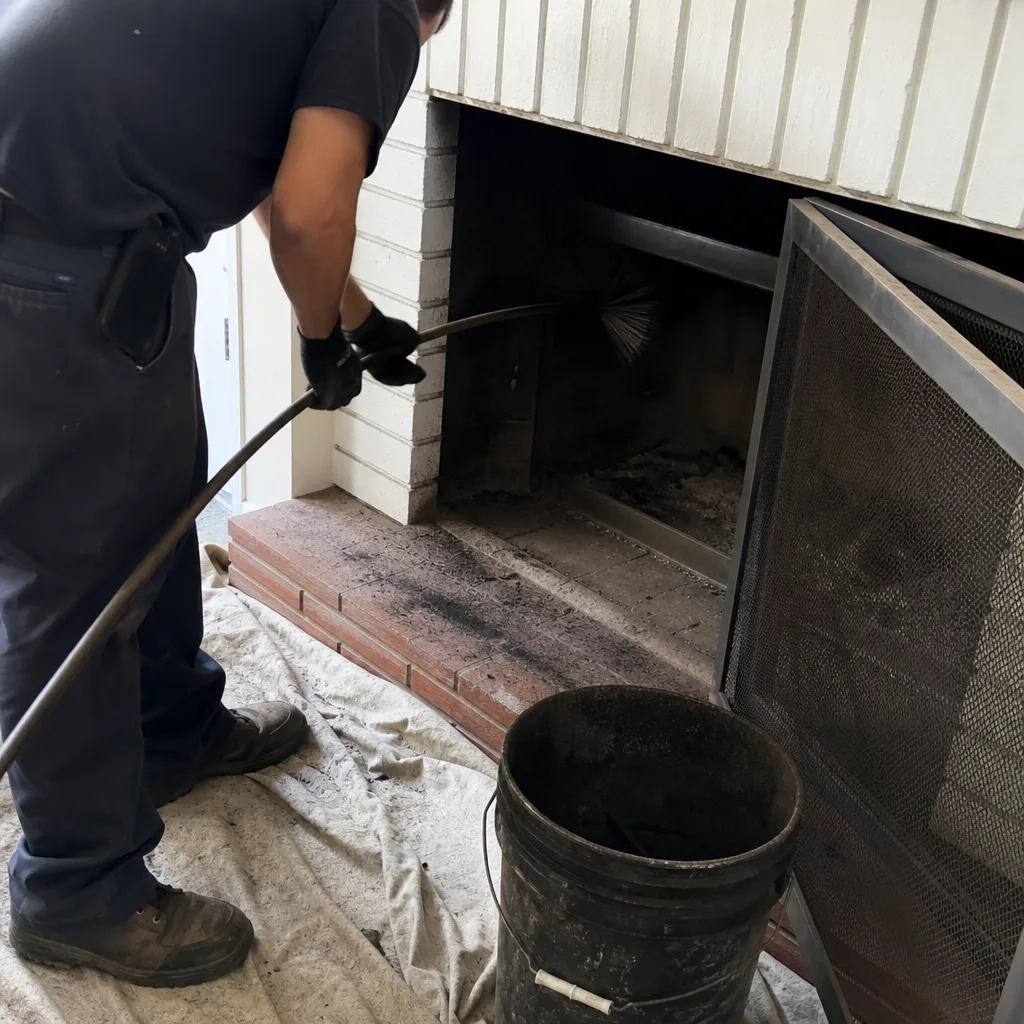
After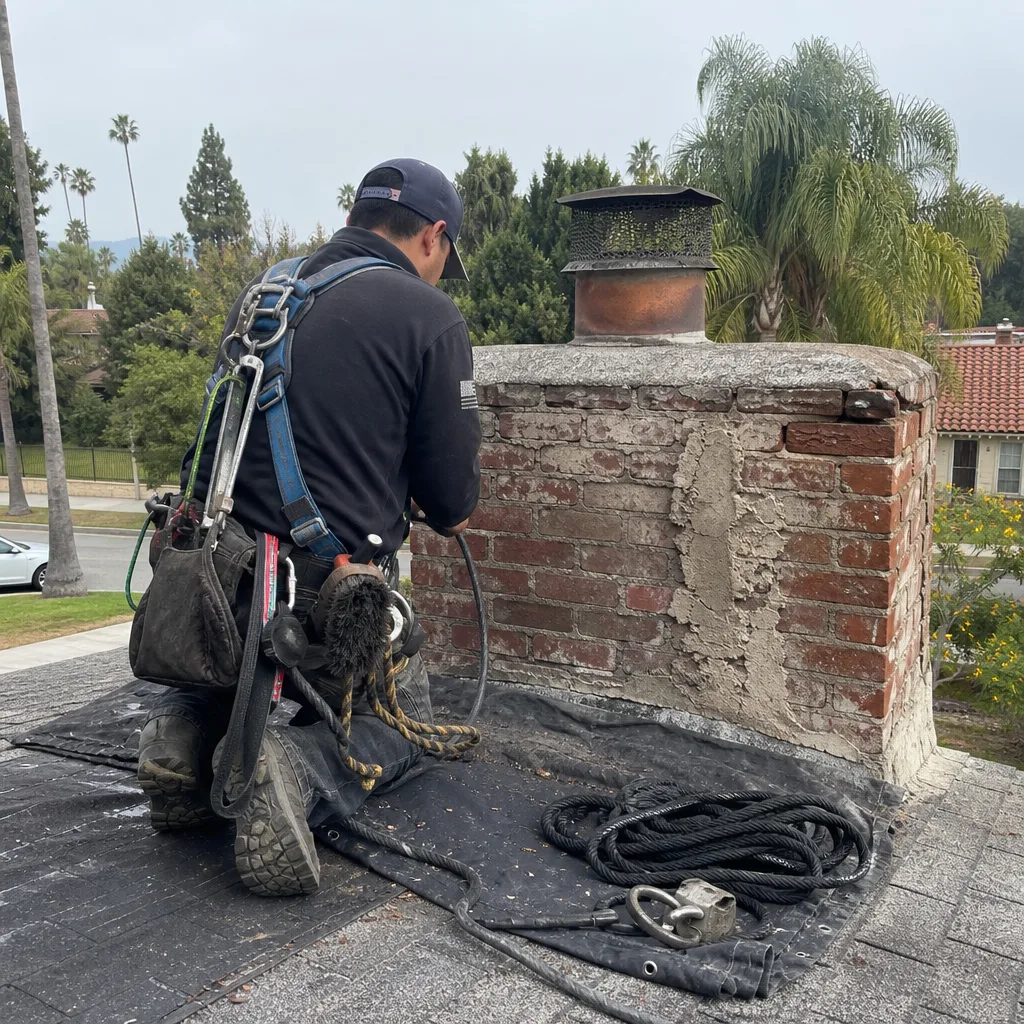 Before
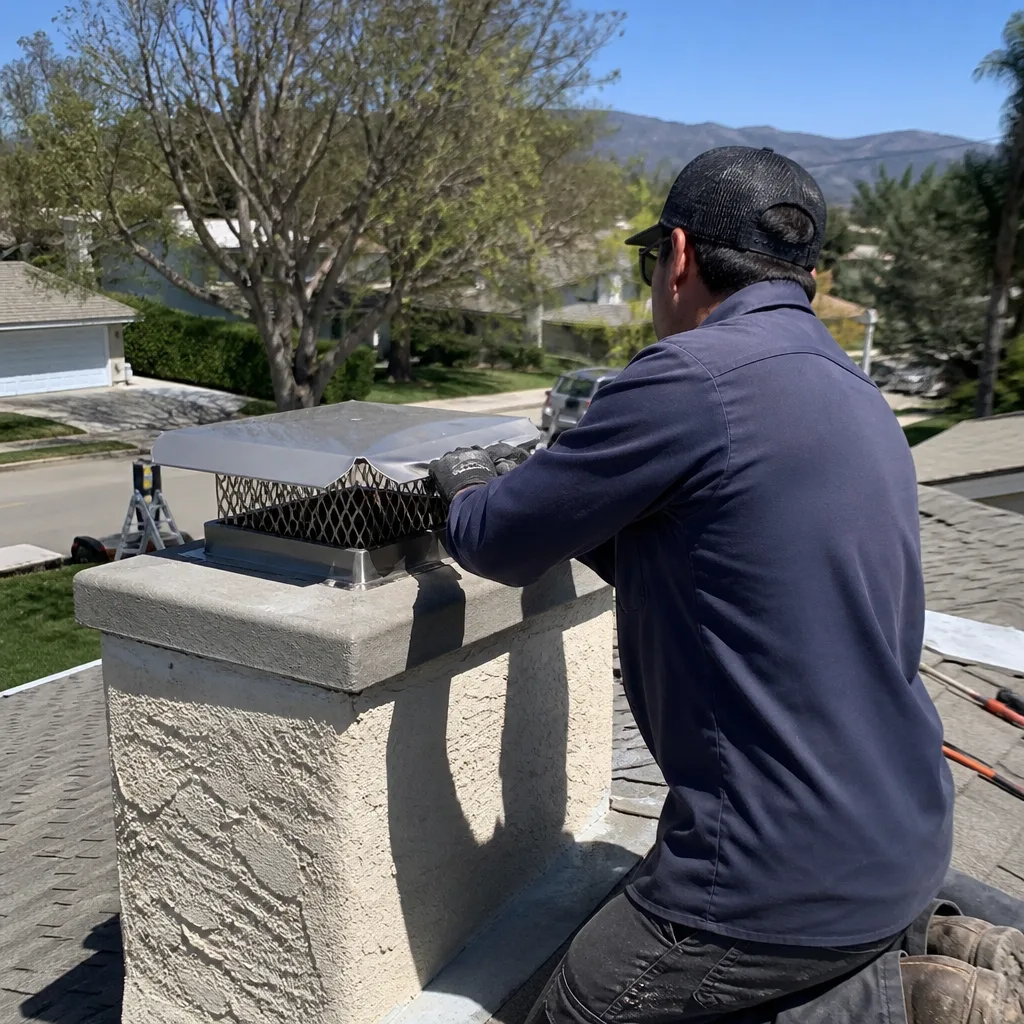 After
After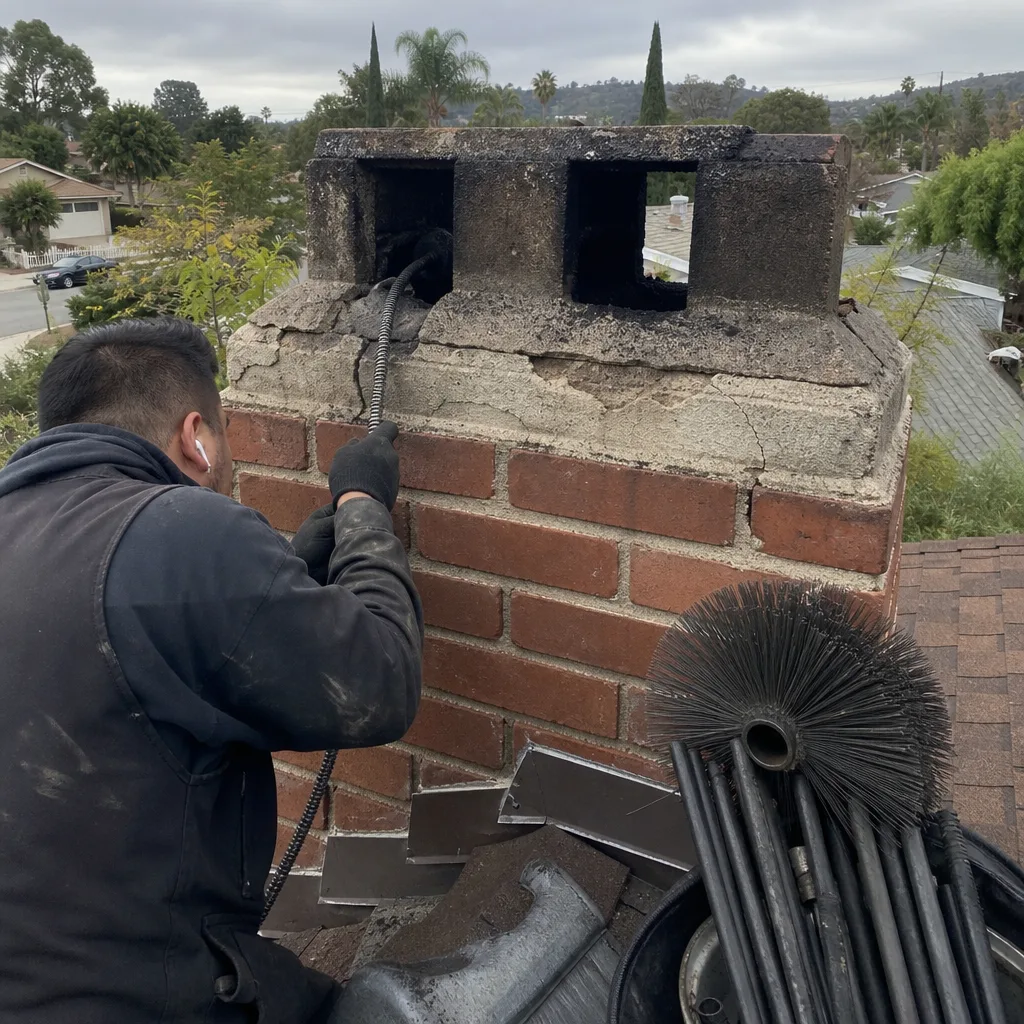 Before
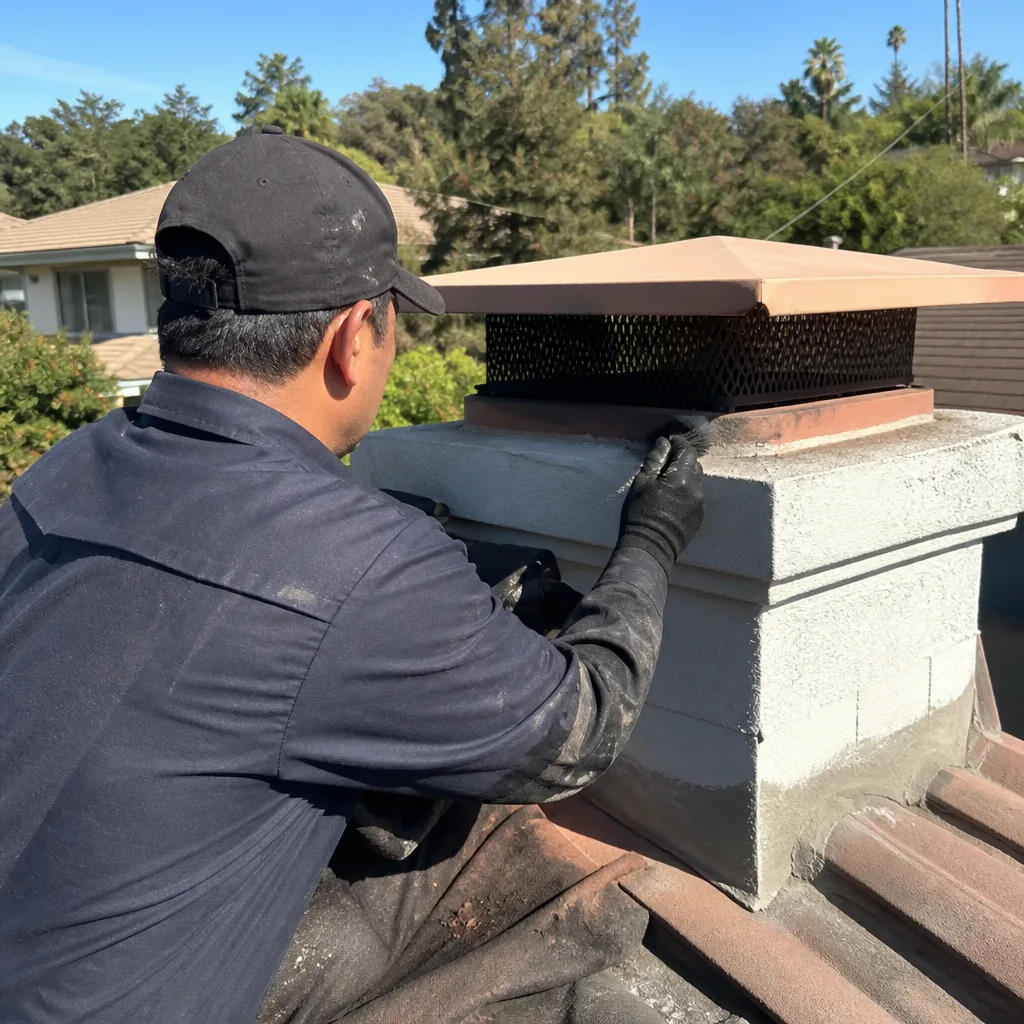 After
AfterChimney Cleaning Warning Signs: A Pasadena Homeowner’s Reference Guide
A Pasadena homeowner smelled smoke in the living room for two seasons and kept opening the damper wider. The actual problem was a collapsed flue tile visible only on camera, one that had been deflecting combustion gases into the wall cavity. This guide will teach you which warning signs you can spot yourself and which ones require a camera-scan inspection to diagnose, and you can find more guides & resources on our blog. We’ll cover the specific symptoms that show up in Pasadena homes after wet winters, how to read odor as a diagnostic tool, and what documentation matters if you ever file an insurance claim.
Quick Answer
Most chimney warning signs fall into two categories: those visible from the firebox or exterior (staining, odors, draft problems, visible cracks) and those invisible without a camera (liner fractures, smoke chamber deterioration, Class III creosote). If you notice smoke odor when the fireplace is not in use, white powder on exterior brick, or water in the firebox after rain, schedule a Level 2 camera inspection - or consult The Complete Guide to Chimney Cleaning in Pasadena to understand the full process. These symptoms in a Pasadena home often point to crown damage from freeze-thaw cycles or liner gaps that only a camera can locate.
Table of Contents
- Warning Signs You Can See vs. Signs That Need a Camera
- Reading Odor as a Diagnostic Tool
- Pasadena-Specific Warning Triggers
- Warning Signs That Document Neglect
- What to Photograph and Record Before Calling
- Common Mistakes to Avoid
- When to Call a Professional
- Frequently Asked Questions
BeforeAfterWarning Signs You Can See vs. Signs That Need a Camera
Homeowners often assume they’ll see a chimney problem coming. In our experience across more than 38,000 inspections, the most dangerous conditions hide behind masonry or inside the flue liner where no flashlight reaches.
Signs Visible Without Equipment
- Smoke staining above the firebox opening - indicates drafting failure or an undersized flue, common in Pasadena’s older bungalows where original fireplaces were never designed for modern inserts
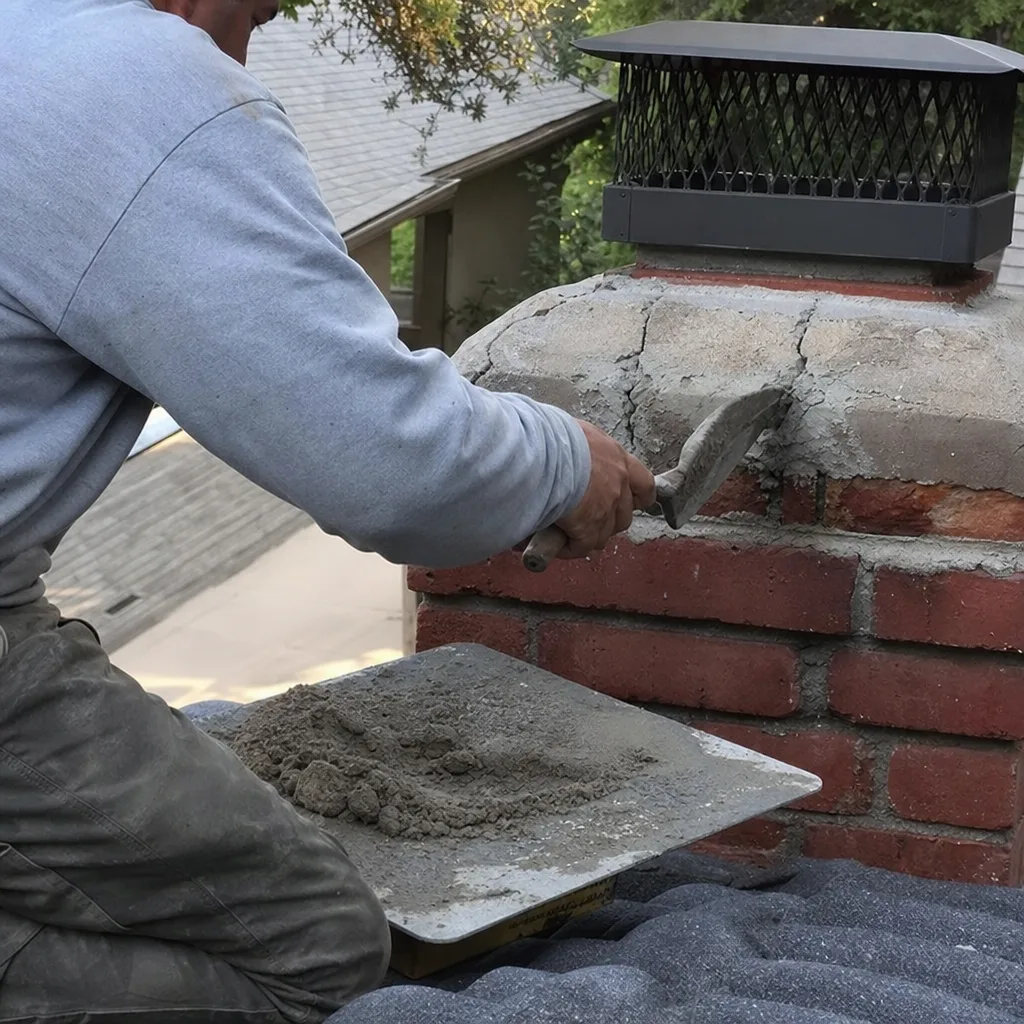
- White efflorescence on exterior brick - mineral salts pushed out by moisture migration; in Pasadena, this peaks after wet winters and signals water intrusion through compromised mortar joints
- Spalling brick or flaking mortar - freeze-thaw damage from water trapped in porous masonry; we see this concentrated in foothill-adjacent neighborhoods like Linda Vista and San Rafael where nighttime temperatures drop lower
- Rust on the damper or firebox - chronic moisture exposure, often from a failed chimney cap or crown crack
- Water pooling in the firebox after rain - direct leak path, usually crown, cap, or flashing failure
- Animal debris, nesting material, or odor of decay - entry point somewhere above the roofline
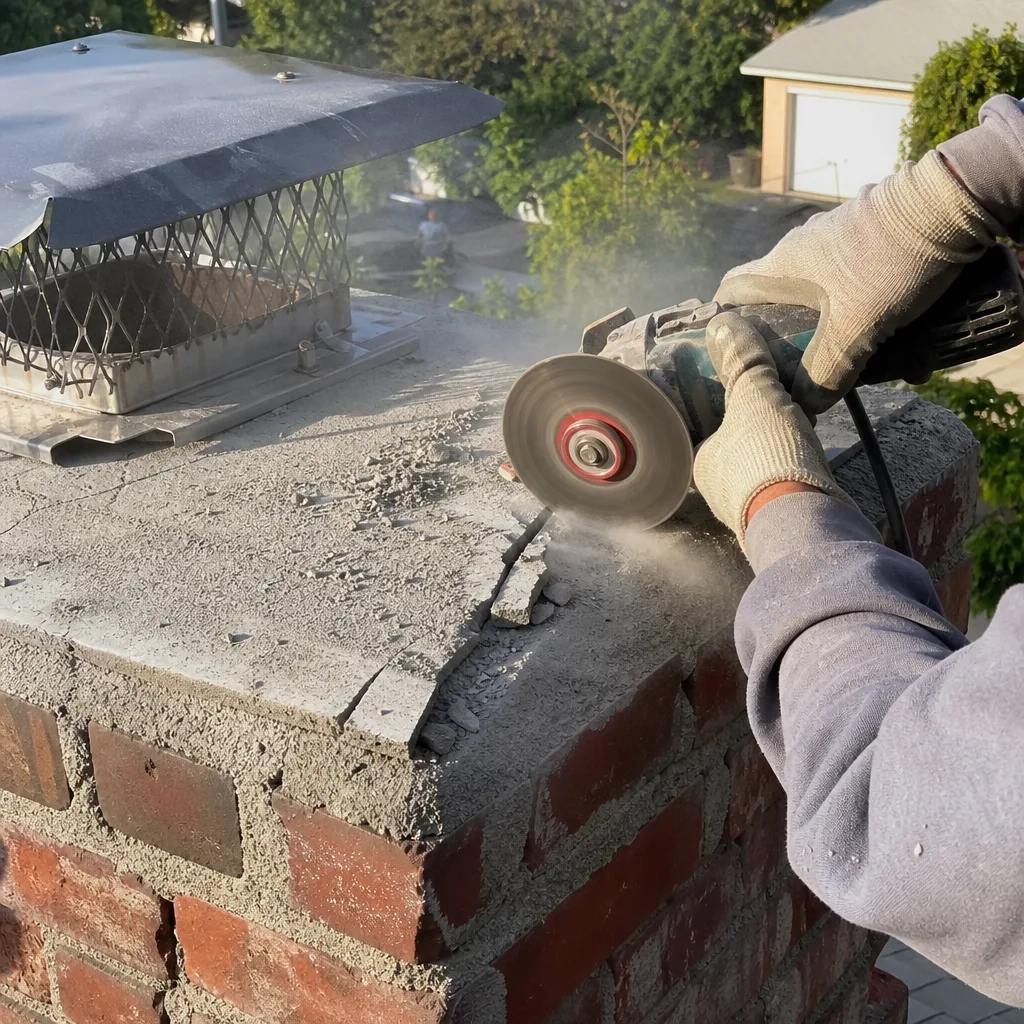
- Visible cracks in the chimney crown - from ground level or a safe distance; hairline cracks widen each freeze-thaw cycle
Signs Only a Camera Documents
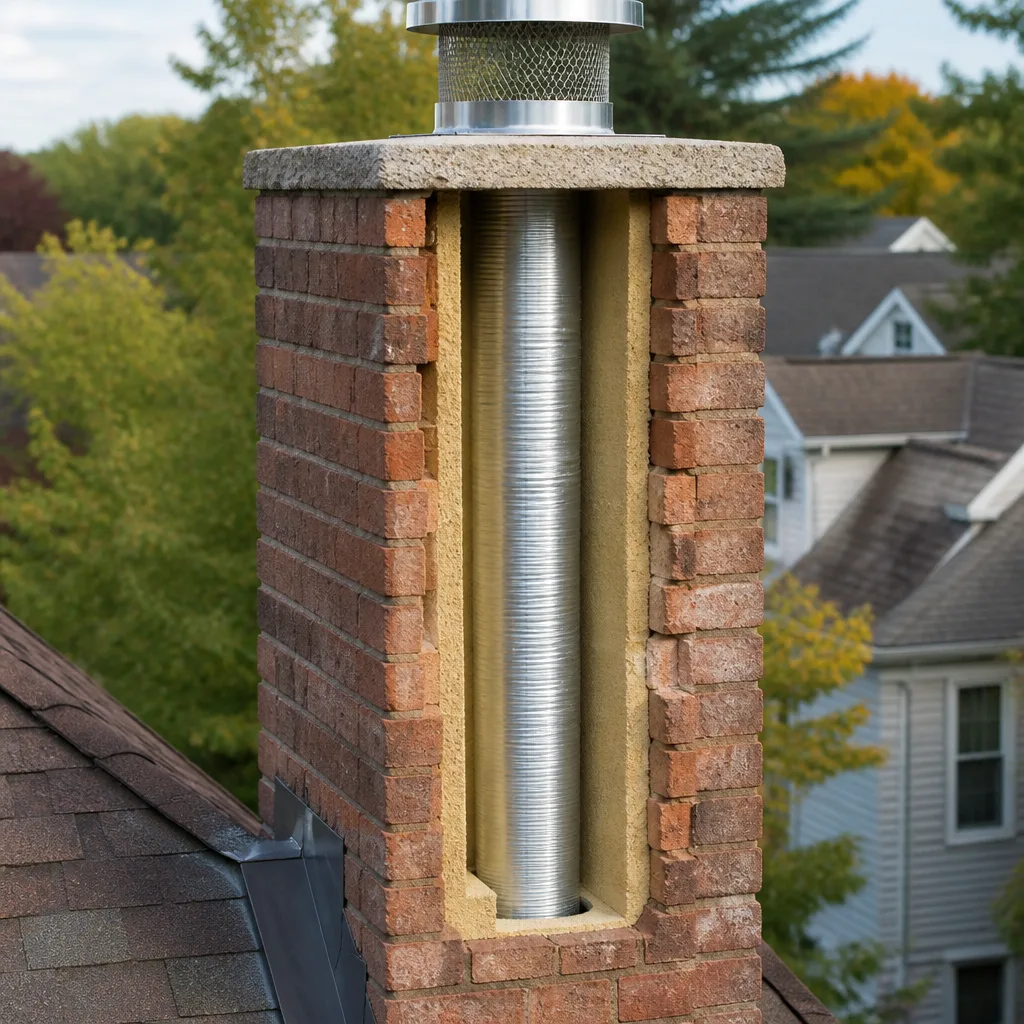
- Flue liner fractures or missing tiles - gaps that allow combustion gases to enter wall cavities; the Pasadena case we opened with showed no external symptom except persistent smoke odor
- Smoke chamber deterioration - the area above the damper that funnels smoke into the flue; parging (the smooth coating) cracks and flakes, creating turbulence that reduces draft and deposits creosote
- Class III creosote - glazed, hardened deposits that cannot be removed with standard brushing; appears shiny and tar-like, requires rotary equipment or chemical treatment
- Liner offset or joint separation - common in clay tile liners after seismic activity or thermal cycling
- Hidden water damage to interior masonry - saturated brick behind the flue that shows no external staining yet
The Chimney Cleaning & Sweep in Pasadena page details our standard sweep process. Every visit includes the camera scan that finds these hidden conditions. Clause 4 of the Haven Standard requires a documented photo record on every job, a practice we’ve maintained since 2009.
Reading Odor as a Diagnostic Tool
Odor is the most reported symptom and the most misdiagnosed. Pasadena homeowners often describe “a smoky smell” without distinguishing what kind of smoke, when it occurs, or where it concentrates. The specific character of chimney odor tells a trained inspector where to point the camera first.
Creosote Odor
Sharp, smoky, slightly sweet. Intensifies in humid weather when moisture reactivates deposits on the flue walls. Most noticeable in summer when the air conditioner creates negative pressure that pulls air down the chimney. This odor means creosote is present in quantity; the question is whether it’s Class I (powdery, brush-removable), Class II (crusty flakes), or Class III (glazed, requiring specialized removal). Only a camera inspection determines the class and extent.
Animal Intrusion Odor
Ammonia-forward, musty, sometimes with notes of decay. Birds, squirrels, and raccoons enter through uncapped flues or damaged screens. In Pasadena, roof rats are a particular problem in neighborhoods with mature oak canopy like Bungalow Heaven and the Arroyo Seco rim. The odor location matters: concentrated in the firebox suggests the animal is in the flue itself; wafting from walls suggests it entered through a gap in the exterior masonry and died in a framing cavity.
Standing Water Odor
Musty, earthy, sometimes sulfurous if organic debris is decomposing. Indicates a leak that has created a reservoir somewhere in the system. In Pasadena homes with ash pits (the sub-firebox chamber for collecting fallen ash), winter storms can flood these spaces through deteriorated cleanout doors or foundation-level cracks. The water may not reach the firebox itself but produces odor through the masonry pores.
Active Combustion Bypass Odor
Hot, acrid, immediate. Smelled while the fireplace is in use. This is the most dangerous odor: it means combustion gases are not exiting through the flue but are leaking into the living space through a liner gap, smoke chamber crack, or deteriorated mortar joint. If you smell this while a fire is burning, extinguish it and do not use the fireplace until inspected. Carbon monoxide is odorless, but the combustion byproducts that accompany it are not.
How to Log Odor for Your Inspector
- Note the season and weather conditions when the odor is strongest
- Record whether the fireplace was recently used, recently cleaned, or dormant
- Identify the room where the odor is most concentrated
- Check if the odor changes when HVAC runs (indicates pressure differentials)
- Photograph any visible staining in the area where odor is detected
Pasadena-Specific Warning Triggers
Pasadena’s climate and geography create chimney conditions that differ from coastal or inland Southern California markets. Homeowners here face a specific set of risk factors that shape what warning signs mean.
White Efflorescence After Wet Winters
Pasadena averages 16-20 inches of annual rainfall, concentrated December through March. Brick chimneys absorb this moisture through porous mortar joints and hairline cracks. When water evaporates, it leaves white mineral deposits (efflorescence) on the surface. This is not merely cosmetic. It signals that water is moving through the masonry matrix, dissolving salts, and carrying them outward. Each cycle weakens the mortar. In the foothill zones near Altadena and La Cañada Flintridge, where homes sit at higher elevation with more exposure, we see efflorescence appear within two seasons of crown neglect.
Crown Cracking from January-March Freeze-Thaw
While Pasadena rarely freezes hard, the foothill-adjacent neighborhoods experience enough nighttime temperature swings to create micro-freeze cycles. Water enters crown cracks during rain, expands slightly when temperatures drop below 32°F, and widens the crack incrementally. By April, a hairline crack can become a structural gap that admits gallons of water per storm. We document this pattern repeatedly in inspections above 1,200 feet elevation.
Ash Pit Flooding from Winter Storms
Older Pasadena homes, particularly those built 1920-1950 in neighborhoods like Madison Heights and South Lake, often have ash pits with original cast-iron cleanout doors. These doors corrode, seals fail, and groundwater or surface runoff enters during heavy rain. The homeowner may never see water in the firebox itself, but the saturated masonry produces chronic musty odor and accelerates firebox deterioration. A camera inspection of the ash pit area, included in our standard Level 2 service, identifies this condition.
Seismic Stress on Liner Joints
Pasadena sits in a complex seismic zone with the Raymond Fault running through the northern part of the city. Minor seismic events, too small to feel, gradually shift chimney structures. Clay tile liners, brittle by design, develop offset joints or hairline fractures that widen over years. These rarely show external symptoms. The first indication is often draft failure or smoke odor, both of which send us to the camera.
Arroyo Seco Wind Patterns and Draft Reversal
The natural wind channel of the Arroyo Seco creates localized pressure effects in homes near the canyon rim. We’ve inspected properties in La Loma Road and Linda Vista where fireplaces consistently smoked on windy days despite adequate flue sizing. The solution was not a larger flue but a properly engineered chimney cap with wind-directional features, installed with materials from Level Two Chimney Pasadena home specifications using Copperfield and Gelco components.
Warning Signs That Document Neglect
Not every warning sign demands immediate repair. Some document a condition that should be monitored, and that documentation itself becomes valuable. Insurance companies increasingly deny chimney fire claims when no inspection record exists. A documented baseline, even showing a condition that does not yet require action, protects the homeowner’s position.
Conditions to Document Even When Not Urgent
- Hairline crown cracks without water intrusion evidence - photograph, measure, re-inspect annually; if widening exceeds 1/16 inch per year, repair is indicated
- Minor spalling on non-structural courses - document location and depth; structural courses (below the roofline, supporting the weight above) take priority
- Class I or early Class II creosote - standard sweep removes it; the photo record proves it was addressed
- Smoke chamber parging with minor cracking but intact surface - monitor for flaking; if the underlying brick is exposed, resurfacing with HeatShield or similar refractory material is recommended
- Minor mortar joint erosion - tuckpointing can wait until depth exceeds 1/2 inch or multiple joints are affected
How Documentation Affects Insurance Position
After a chimney fire or related structural loss, insurers investigate whether the homeowner maintained the system reasonably. A documented inspection history, with dated photos showing conditions and any recommendations, demonstrates due diligence. Conversely, a homeowner who ignored visible warning signs (water stains, known odor, previous advice to repair) may face claim reduction or denial.
Clause 4 of the Haven Standard requires that we provide every customer with a dated photo record and written condition report. We store these records and can provide copies for insurance or real estate transactions. Since 2009, this archive has supported Pasadena homeowners in dozens of claims where documentation made the difference between full coverage and dispute.
What to Photograph and Record Before Calling
A homeowner who arrives at the conversation with evidence gets a more accurate preliminary assessment and a more precise written estimate, as explained in How to Hire a Chimney Cleaning Contractor in Pasadena: A Step-by-Step Guide. Vague complaints (“it smells funny”) lead to open-ended dispatch. Specific observations with photos allow us to estimate scope, anticipate equipment needs, and quote accurately before arrival.
Photograph These Items
- Exterior chimney from ground level - full height, showing crown condition, cap presence, and any visible staining or efflorescence
- Firebox interior - damper position, firebrick condition, any visible cracks or rust
- Smoke staining above the firebox opening - close-up showing extent and pattern
- Water in firebox or adjacent hearth area - document timing relative to recent rain
- Any debris or material that has fallen into the firebox - animal nesting, brick fragments, creosote flakes
- Exterior ground near chimney base - fallen brick pieces, mortar crumbs, or rust flakes indicate active deterioration
Write Down These Details
- Year of last professional inspection or sweep, if known
- Frequency of fireplace use and typical fire duration
- Fuel type: seasoned hardwood, manufactured logs, gas starter with wood, or full gas
- Whether odor or symptoms change with HVAC operation, window opening, or weather
- Any previous repairs, with dates and contractor names if available
- Insurance company and whether chimney coverage was discussed at policy inception
When you call Level Two Chimney Pasadena home, we can review these items by text or email before scheduling. This pre-visit exchange is part of how we deliver a written price before work starts, with no surprises after the technician arrives.
Common Mistakes to Avoid
- Assuming a clean firebox means a clean flue. The firebox is the easiest part to clean yourself. Creosote accumulates in the flue liner and smoke chamber, areas no homeowner can inspect without equipment. We find heavy deposits in fireboxes that look spotless.
- Treating chimney odor with air fresheners or chimney deodorants. These mask symptoms without addressing cause. In one Pasadena inspection, a homeowner used deodorant blocks for three years while a liner gap allowed combustion gases into a wall cavity. The odor was suppressed; the hazard was not.
- Waiting for “burning season” to schedule. In Pasadena, sweeps booked October through December face peak demand. Inspections scheduled in spring or summer identify problems when contractors have capacity and materials are readily available. The Fireplace Services in Pasadena page outlines our year-round scheduling.
- Ignoring efflorescence as “just white powder.” This is the masonry equivalent of a check engine light. It means water is moving through the structure, carrying dissolved minerals, and the process that deposits those minerals is also degrading the mortar that holds your chimney together.
- Accepting a flashlight inspection as sufficient. NFPA 211 defines three inspection levels. A Level 1 is visual, from accessible areas, with no tools. A Level 2 requires camera examination of the flue interior. Any home sale, new appliance installation, or change in fuel type mandates Level 2. After a chimney fire or seismic event, Level 2 is minimum. We made Level 2 our default in 2009 because flashlight inspections miss what cameras find.
- Not requesting documentation. Verbal assurances from a sweep who “took a look” provide no protection in an insurance dispute or real estate transaction. Insist on photos, a written condition report, and a written scope with price before any work begins.
- DIY removal of Class III creosote. Glazed creosote requires rotary equipment, chemical treatment, or both. Attempting to chip it manually damages the liner and risks ignition of the material itself. This is not a homeowner project.
When to Call a Professional
Call for inspection if you notice any of the following: smoke odor when the fireplace is not in use, visible cracks in the crown or exterior masonry, water in the firebox after rain, draft problems or smoke entering the room during use, rust on damper or firebox components, or any odor of decay suggesting animal intrusion. These symptoms in a Pasadena home, particularly after the wet season or in foothill-exposed properties, warrant prompt camera documentation.
Level Two Chimney Pasadena offers free estimates in Pasadena. Every estimate includes a written price, written scope, and written warranty before any work begins. Call (213) 459-6058 to schedule, or text photos of what you’re observing for a preliminary assessment. Our live phone support runs 24 hours a day, 7 days a week.
Frequently Asked Questions
A standard chimney sweep and Level 2 camera inspection in Pasadena typically ranges from $250 to $450, depending on flue accessibility, creosote class, and whether the smoke chamber requires additional attention. We deliver a written price before any work starts, with no add-ons after arrival. Call (213) 459-6058 for an exact quote - estimates are free.
You need a new liner only if the existing one is fractured, offset, improperly sized for your appliance, or missing entirely. We make this determination with camera evidence you can see, not a sales pitch. If a competitor has recommended liner replacement, our Free Second Opinion on Any Written Estimate applies - bring us their quote and we’ll show you what the camera reveals.
NFPA 211 recommends annual inspection for all chimneys, with sweeping frequency determined by use and fuel type. A Pasadena home burning seasoned hardwood 2-3 times weekly typically needs sweeping every cord of wood burned, or annually if usage is lighter. Gas fireplaces require less frequent cleaning but still need annual inspection for debris, moisture damage, and venting integrity.
Skipped maintenance leads to creosote accumulation, which increases chimney fire risk; moisture intrusion, which degrades masonry and metal components; and undetected liner damage, which can allow combustion gases including carbon monoxide into living spaces. In Pasadena’s insurance market, documented neglect can also reduce claim coverage after a loss. The cost of prevention is consistently lower than the cost of repair or remediation.
Summer humidity reactivates creosote deposits on flue walls, and air conditioning creates negative pressure that pulls air downward through the chimney rather than allowing natural upward draft. This combination is common in Pasadena’s July-September humid periods. A thorough sweep removes the odor source, and proper damper sealing or top-sealing damper installation prevents pressure-driven odor migration.
A flashlight and mirror can reveal firebox condition and damper operation, but cannot inspect the flue liner above the smoke chamber or the smoke chamber itself. These areas, where the most dangerous conditions develop, require a camera on a flexible rod. Our standard Level 2 inspection includes this documentation; Clause 4 of the Haven Standard requires we provide you the photo record.
The Bottom Line
Chimney warning signs sort into two categories: what you can see and what only a camera confirms. Visible signs like staining, efflorescence, and water intrusion deserve prompt attention but rarely surprise an experienced inspector. The dangerous conditions - liner fractures, smoke chamber deterioration, Class III creosote - hide where no flashlight reaches. In Pasadena’s specific climate, with wet winters, foothill freeze-thaw cycles, and seismic activity, the gap between visible symptom and hidden damage is particularly wide. Document what you observe, photograph what you can, and insist on camera documentation for anything you cannot see directly. The inspection record protects your safety and your insurance position.
Written by Corrine Halstead, Owner at Level Two Chimney Pasadena, serving Pasadena since 2009.