
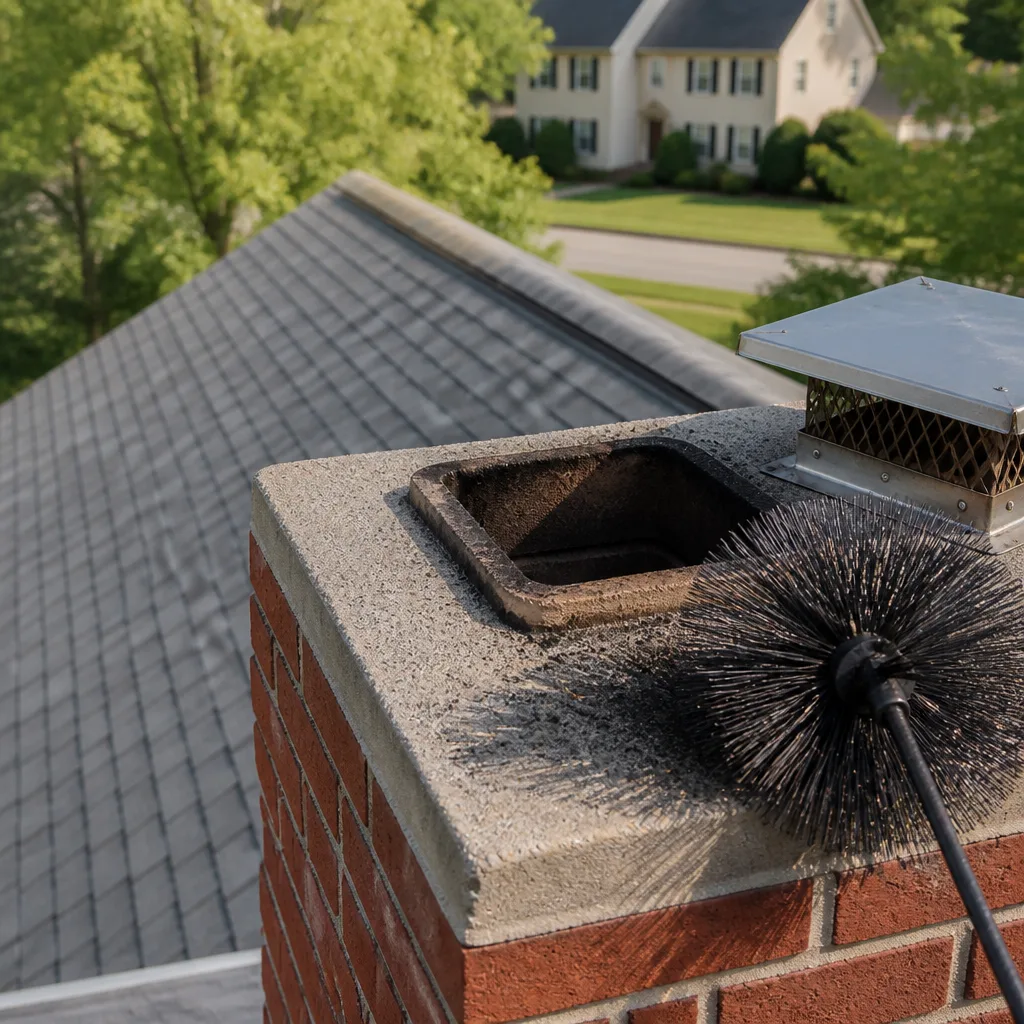
Level 1 sweep and inspection to the NFPA 211 annual standard - flue, crown, cap, and flashing checked and photographed
Chimney sweep logs do not sweep chimneys. They loosen some creosote - which then falls where a brush and vacuum still have to collect it.
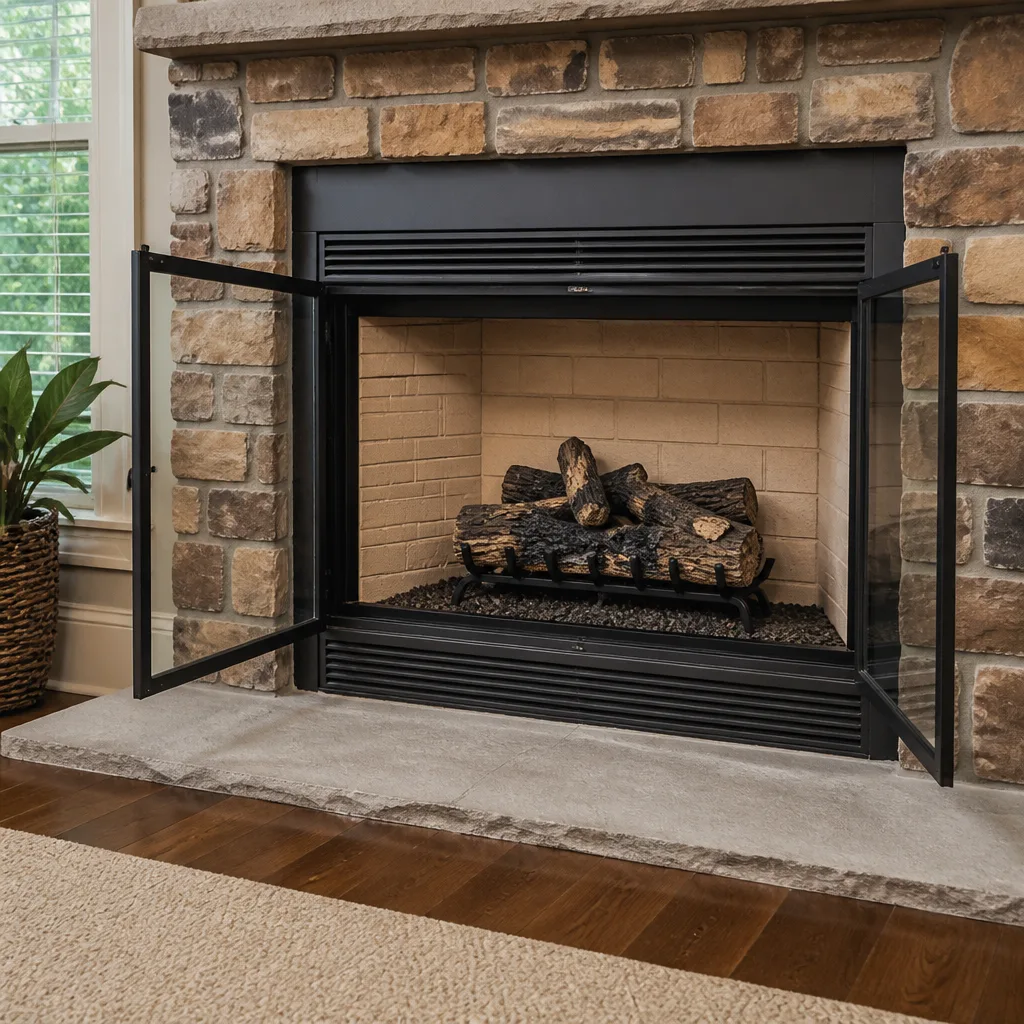
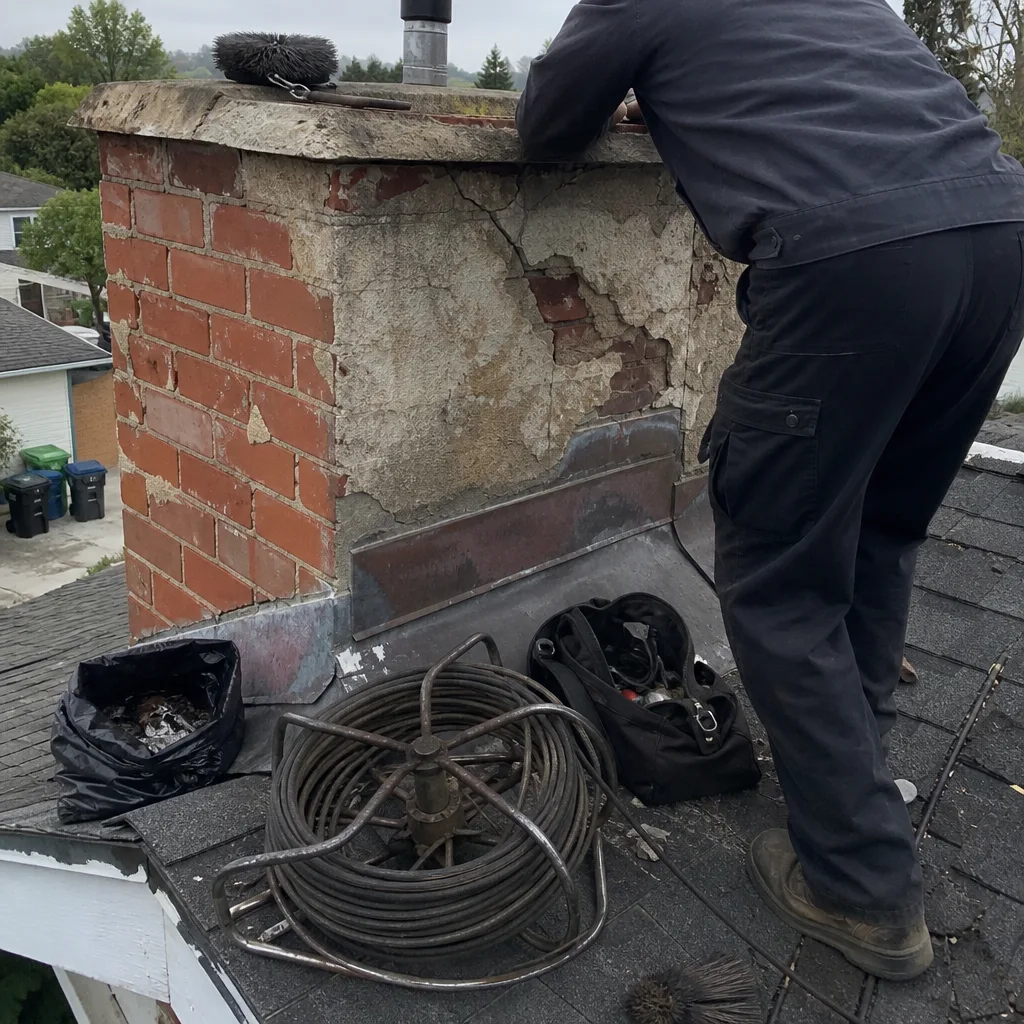 Before
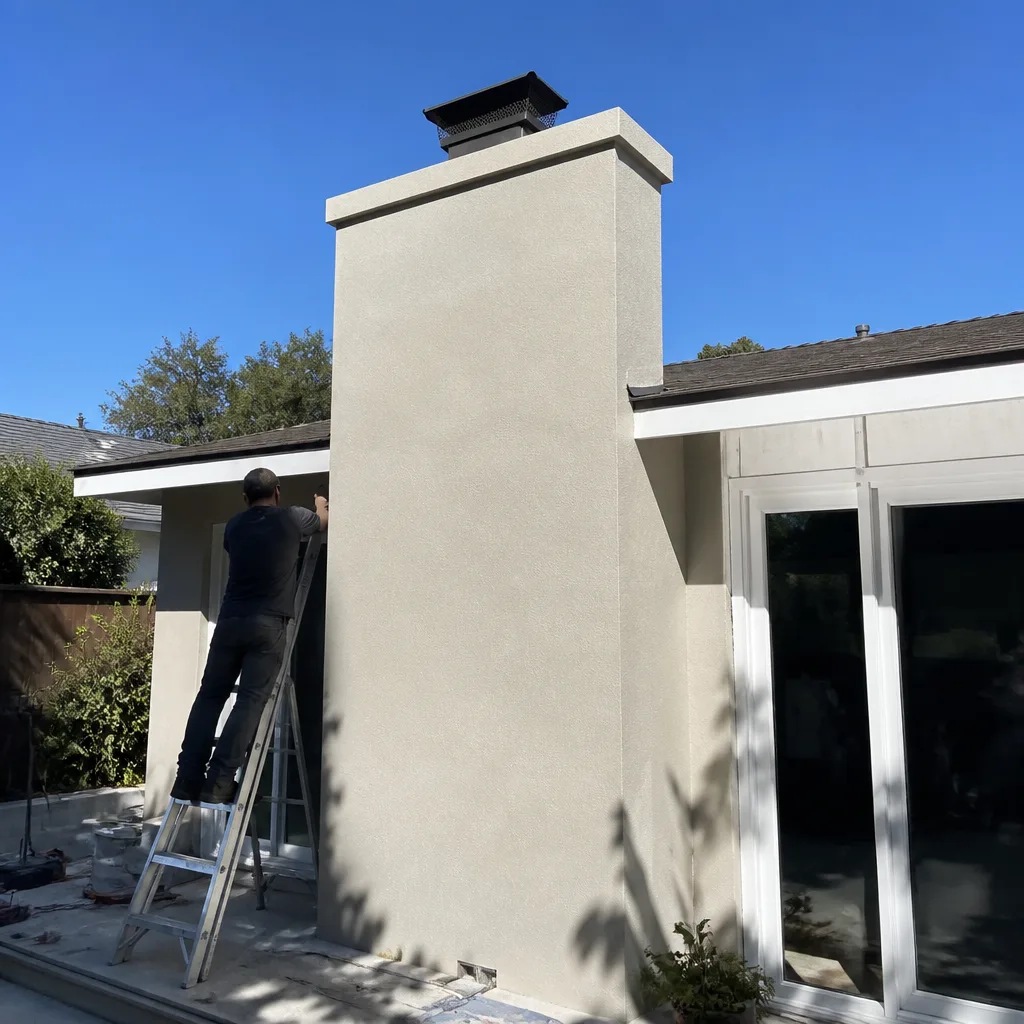 After
After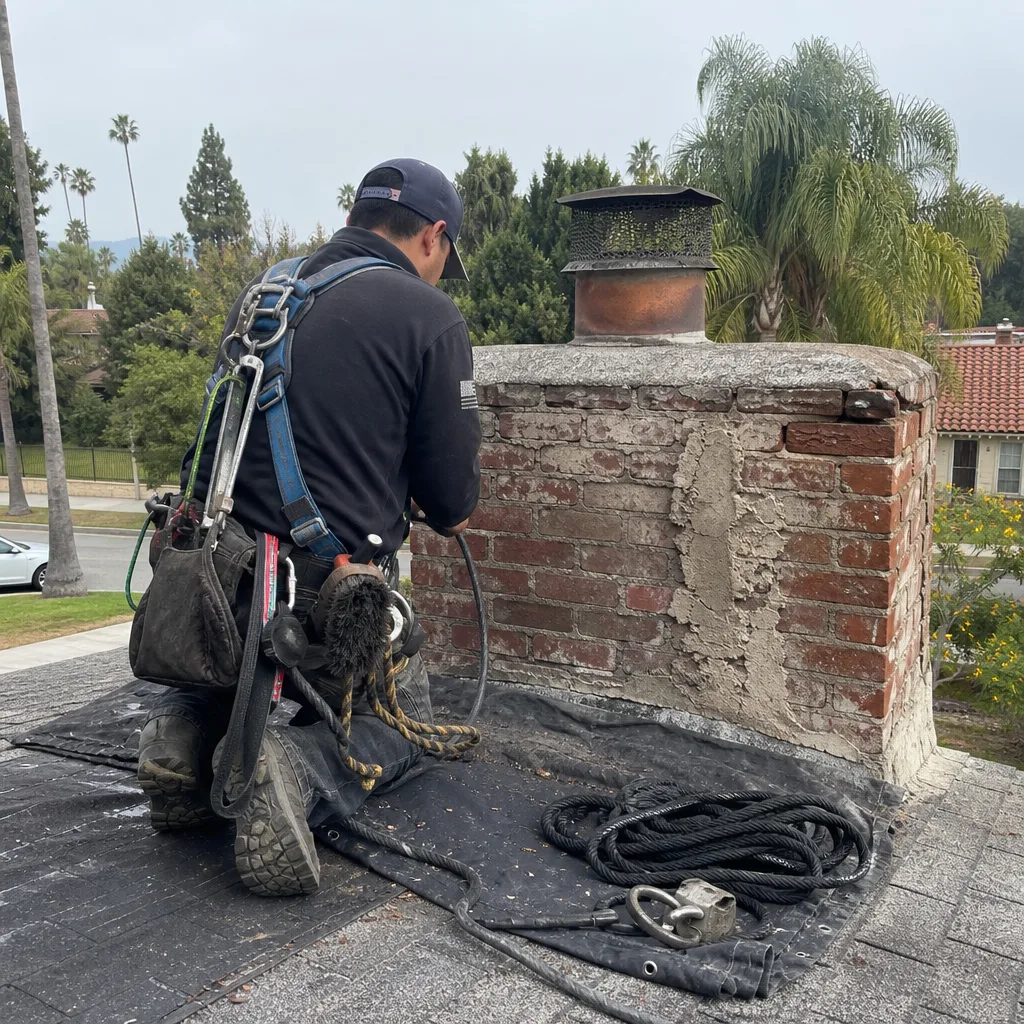 Before
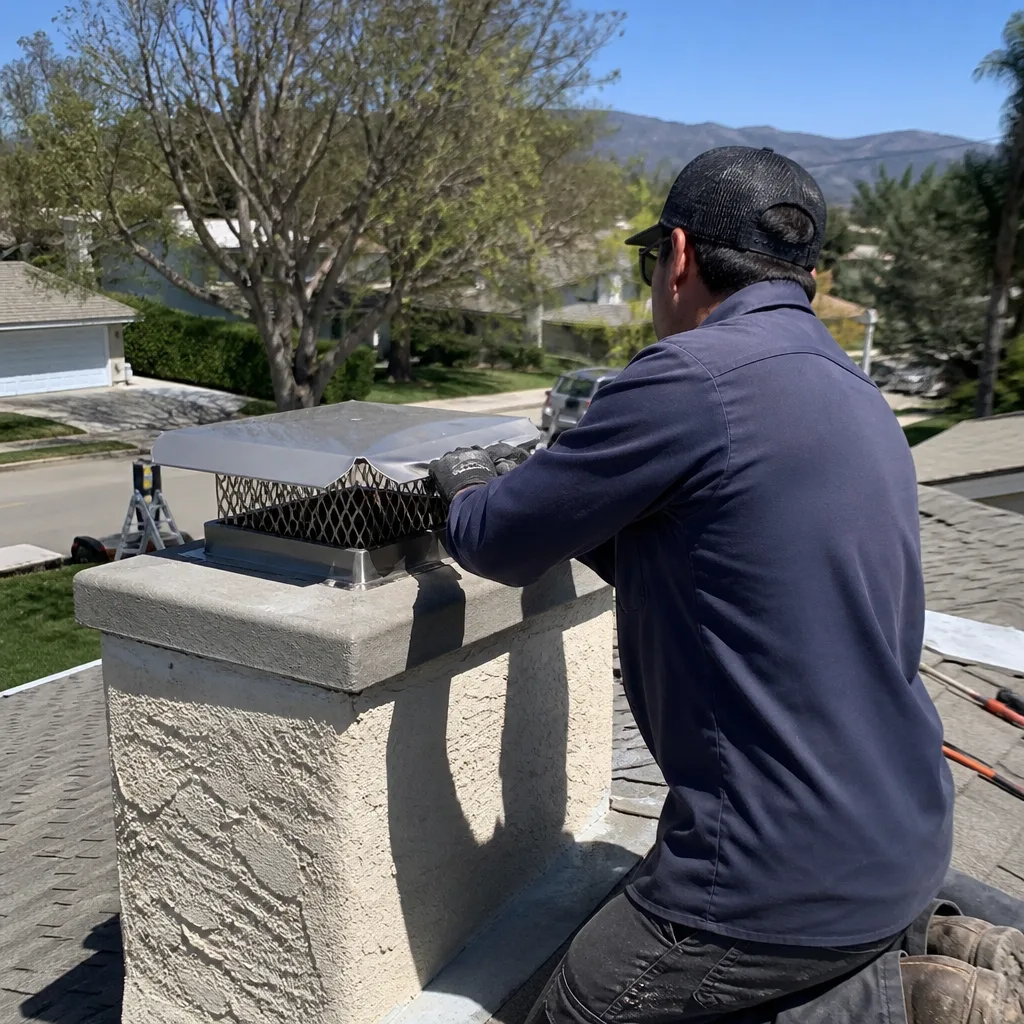 After
After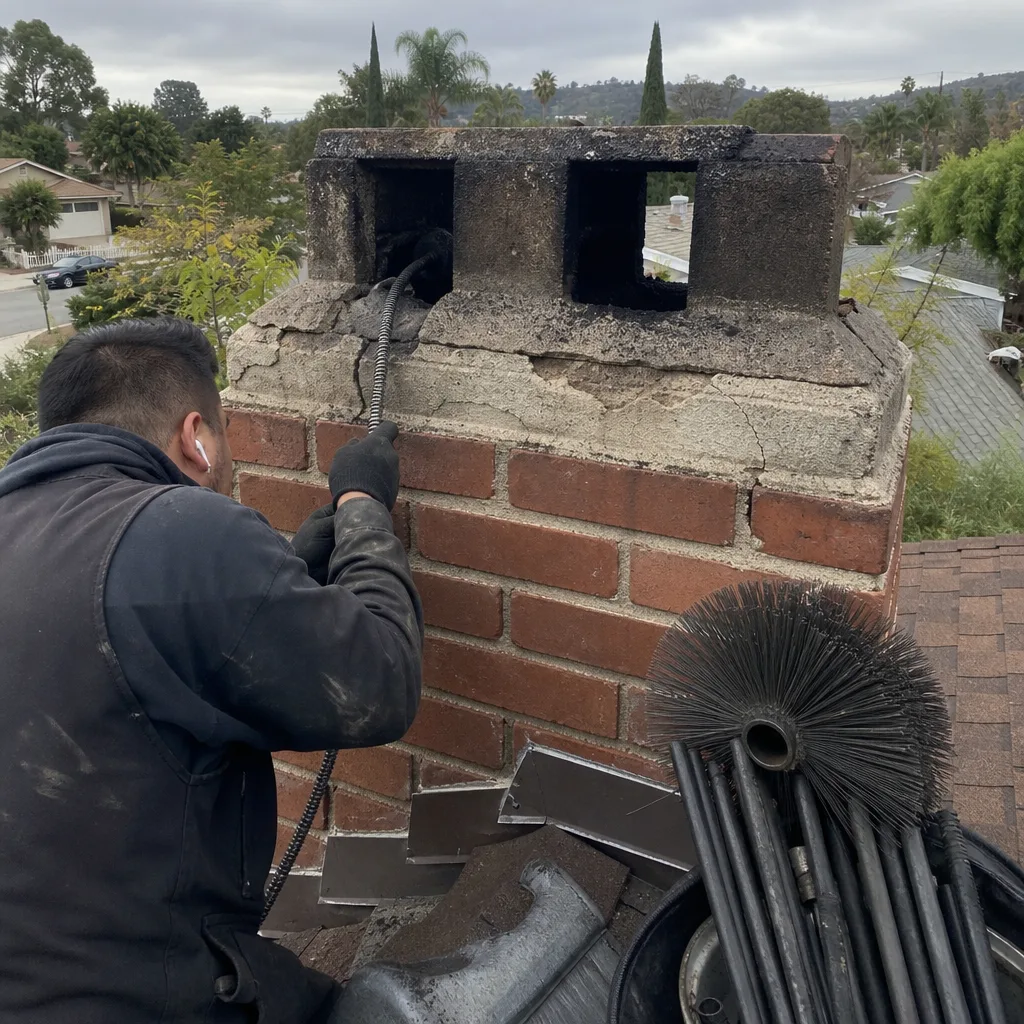 Before
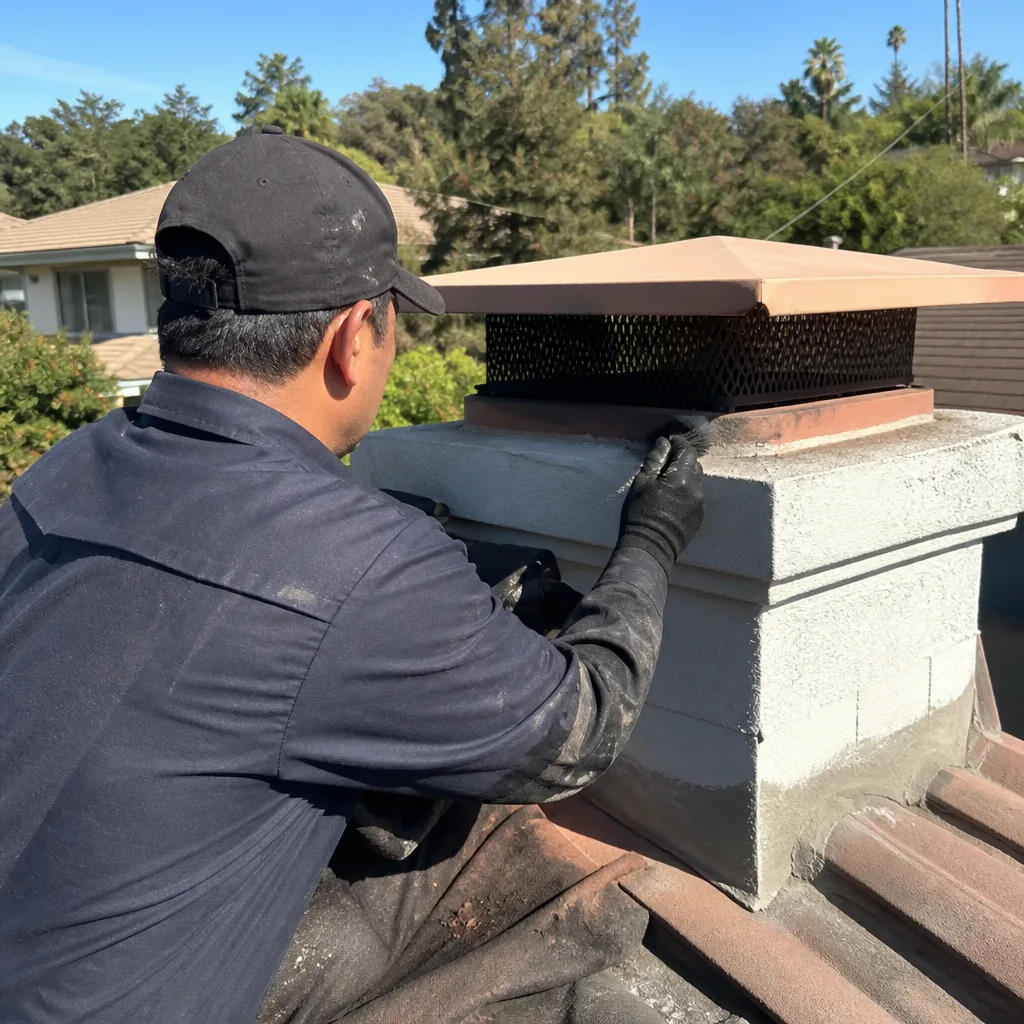 After
AfterCopperfield Crown Repair: The Pasadena Owner’s Guide
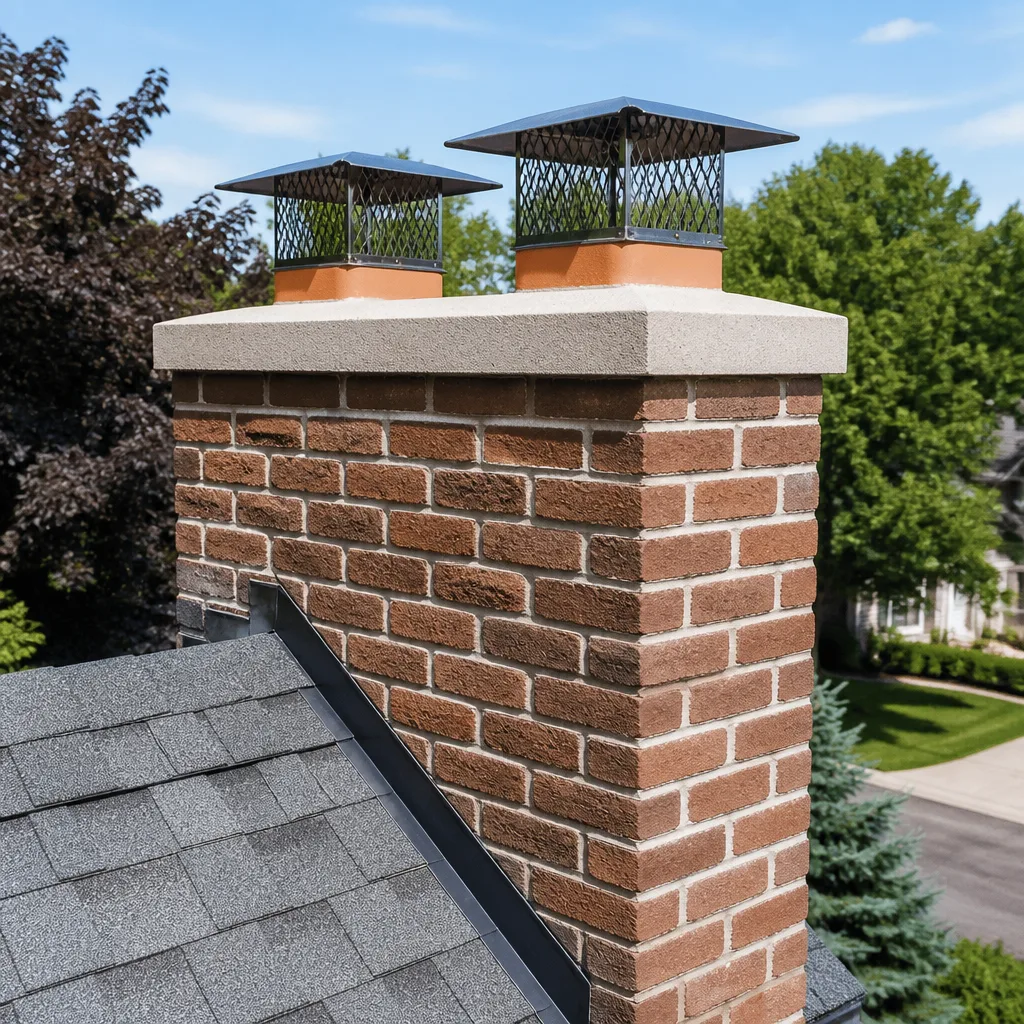
Copperfield crown repair in Pasadena typically runs $380-$780 installed, depending on whether we’re sealing hairline cracks or rebuilding the full concrete cap. We stock Copperfield-compatible crown sealants and forming materials on every truck, and most repairs are completed in a single visit. Homeowners usually discover the problem during our annual sweep - water stains on the firebox walls, a musty smell after rain, or pieces of concrete they swept out of the fireplace.
Which Copperfield Models This Applies To
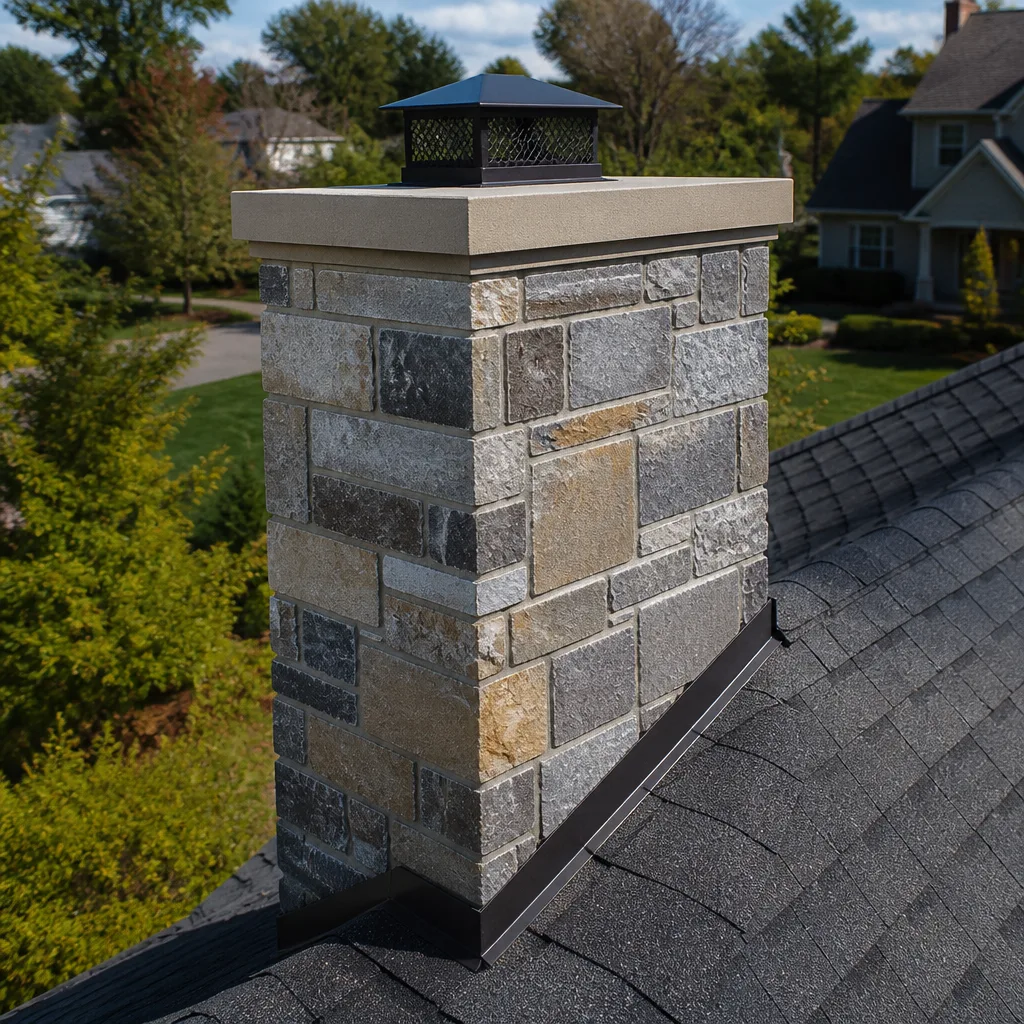
Copperfield chimney systems fall into three main product lines, and crown failure looks different in each. The Copperfield Builder Series (discontinued around 2016) used a thinner precast concrete crown, usually 2 inches at the edge, that we’ve found cracks predictably after 8-12 years in Pasadena’s freeze-thaw cycle. The Copperfield Pro Series upgraded to 2.5-inch minimum thickness with a drip edge; when these fail, it’s typically sealant degradation at the flue joint, not the crown body itself. Current Copperfield Elite systems use a reinforced pour with integral flashing - rare to see crown issues before year 15 unless the original pour was poorly sloped.
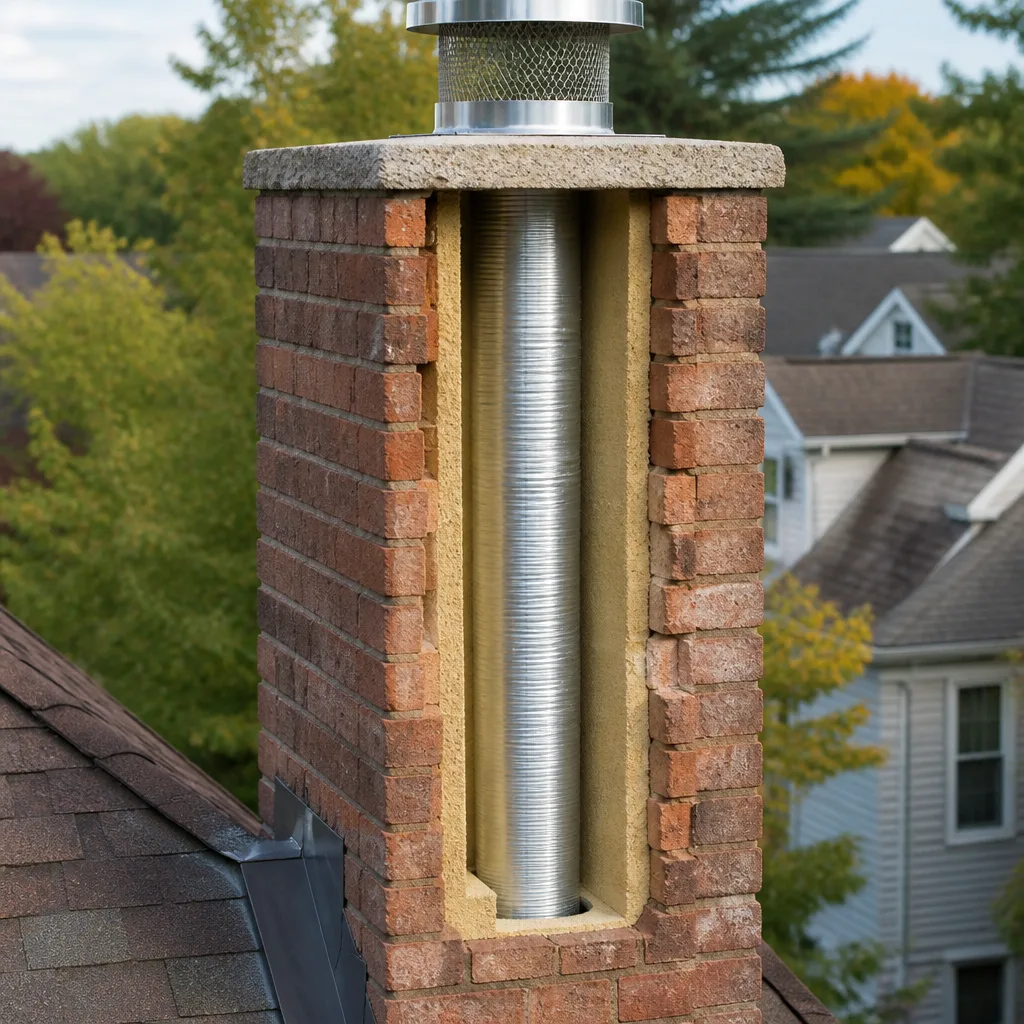
Identification is straightforward: the model stamp is on the chimney cap or the data plate inside the firebox. If that’s missing, we measure crown overhang (Builder: 1.5 inches, Pro: 2 inches, Elite: 2.5 inches with visible mesh) and check the flue collar type. For discontinued Builder Series units, we don’t push OEM-only - the forming and pour specifications are standard, and our aftermarket crown mix from Olympia Chimney meets the same 4,000 PSI rating at roughly 60% of OEM part cost. The one compatibility gotcha: Elite systems with the integrated copper flashing require a formed repair, not a sealant overlay, or you’ll trap moisture behind the patch.
Signs Your Copperfield Crown Repair Is Failing
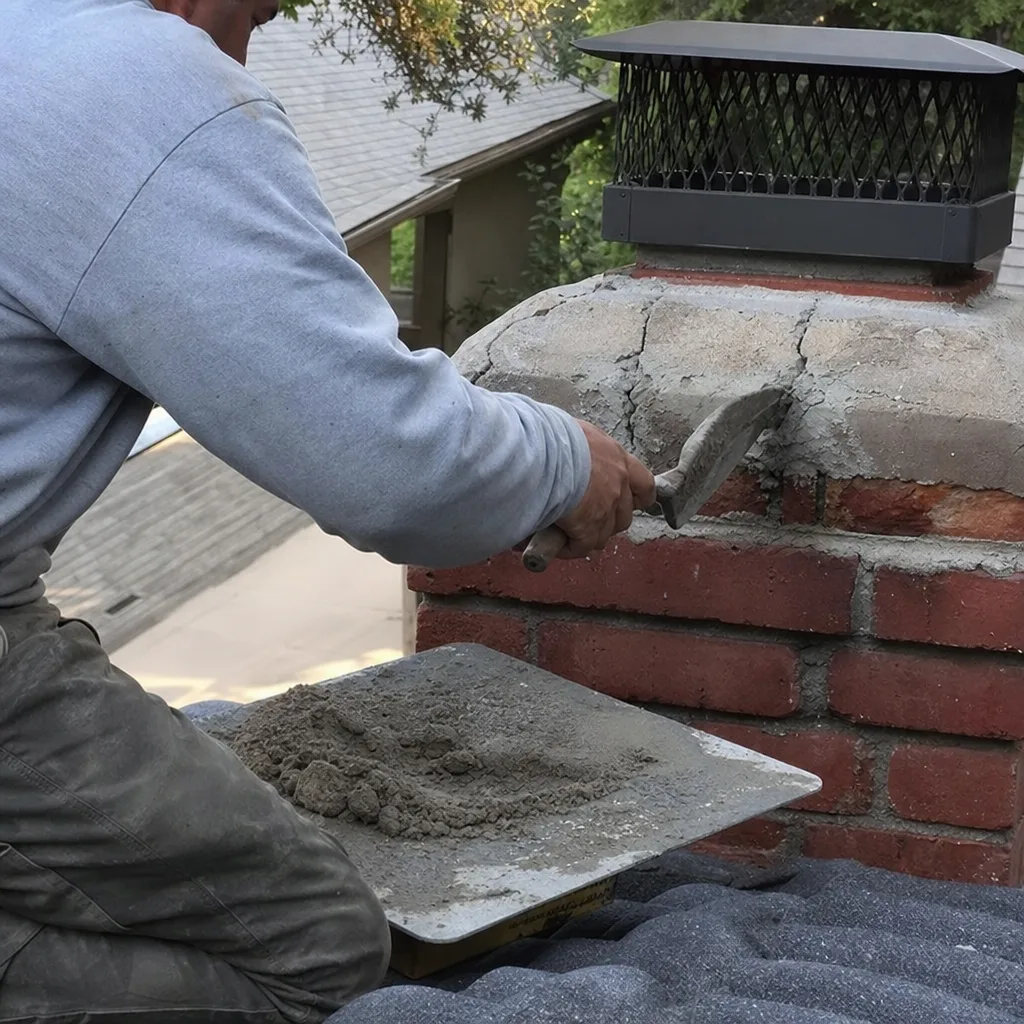
- Hairline cracks spiderwebbing across the crown surface. These start as surface crazing from UV degradation of the concrete matrix, then widen in Pasadena’s occasional hard freezes. Water enters, freezes, and pries the crack open wider each winter - we’ve measured 1/8-inch gaps on 10-year-old Builder Series crowns in the Bungalow Heaven neighborhood where morning frost lingers in the tree canopy.
- Concrete flakes or gravel in the firebox or cleanout. This is spalling - the surface layer delaminating from freeze-saturated concrete. On Copperfield systems, it usually means the crown slope was insufficient (less than 3/12 pitch) and water pooled instead of shedding. By the time you’re sweeping out chunks, the rebar or wire mesh inside may be exposed and rusting.
- Water stains on the firebox sidewalls or smoke chamber. The crown’s job is to shed water away from the flue opening. When it fails, water tracks down the flue tile joints and soaks the masonry below. In Pasadena’s dry climate, homeowners often mistake this for “humidity” until the efflorescence (white mineral bloom) appears - by then, the liner joint may be compromised.
- Rust streaks down the chimney face from the cap level. These indicate the crown has lost its slope and water is now pooling against the flue collar or spark arrestor base. On Copperfield Pro Series with galvanized collars, we see this at year 10-14 consistently; the collar rusts through, and the crown concrete below it crumbles from the chloride exposure.
- The crown sounds hollow when tapped with a hammer. This means the concrete has delaminated from its base - often the original pour bonded poorly to the brick course below, or the wire mesh was set too low and corrosion has lifted the surface. It’s not always visible from the ground; we find this during our roof-level camera-and-tap inspection.
BeforeAfterReplacement Cost & What’s Included
| Repair Type | Price Range (Pasadena) | What’s Done |
|---|---|---|
| Crown sealant (hairline cracks, intact structure) | $380-$520 | Wire brush prep, flexible crown coat application, 10-year material warranty |
| Partial rebuild (spalling, <25% area) | $580-$720 | Cut back to sound concrete, form and pour matching patch, integral slope correction |
| Full crown replacement (delamination, rebar exposure) | $680-$780 | Complete removal, new wire mesh, 4,000 PSI pour with drip edge and slope to spec |
The range depends on chimney height (single-story versus two-story access), whether we need to remove a cap or spark arrestor to work, and if the flue collar itself needs replacement. Every quote is written before we start - Haven Standard Clause 1 - and includes the photo record Clause 4 requires. We source crown materials through our buying network with Copperfield, Olympia Chimney, and Famco; no markup games, and we’ll show you the supplier invoice if you ask.
DIY or Call Us?
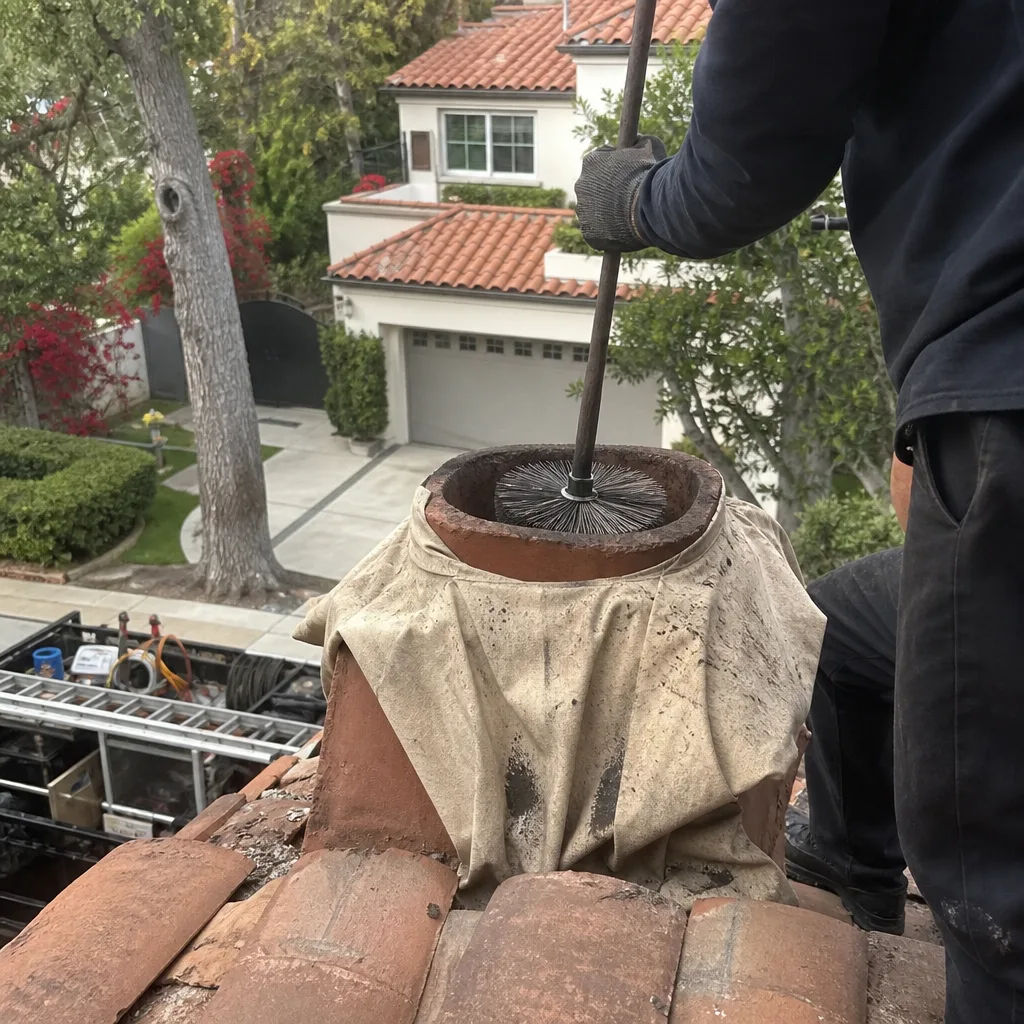
There’s exactly one safe homeowner check: from the ground with binoculars, look for visible cracks, missing chunks, or pooling after rain. Do not climb the roof to tap-test - Pasadena’s clay tile and composite slopes are unforgiving, and crown work happens at the highest, most awkward point of the chimney.
DIY sealant kits from hardware stores fail here for two reasons. First, surface prep requires wire brushing to bare concrete and a primer coat most kits skip; without it, the flexible coat delaminates in 18 months. Second, you can’t assess what’s underneath - we’ve opened “repaired” crowns where the homeowner’s $40 sealant masked three inches of saturated, crumbling concrete above the flue. The camera doesn’t negotiate - it just shows what’s there. That’s why we include it on every evaluation.
If you see any of the five signs above, call (213) 459-6058. We’ll quote the repair in writing, show you the footage, and schedule when you’re ready.
FAQs
A proper sealant application lasts 8-12 years; a full rebuild with correct slope and drip edge typically goes 20-25 years. Pasadena’s 280+ annual days of sun accelerate surface UV degradation, but our minimal freeze-thaw cycle is easier on concrete than mountain or Midwest climates. The key variable is original workmanship - we’ve seen 6-year failures and 30-year survivors on identical Copperfield specs.
Yes, if the structural core is sound - no exposed mesh, no hollow spots, and cracks under 1/8 inch that don’t reach the flue collar. We test this with a hammer tap and moisture meter before quoting. When repair is viable, we use a flexible crown coat system that bridges hairline movement; replacement is only recommended when we can show you delamination or rebar corrosion on camera. Call (213) 459-6058 for a free evaluation - estimates are free, and we honor our Free Second Opinion on any competitor’s written quote.
Most sealant repairs are done in 90 minutes; full rebuilds need 4-6 hours plus 48-hour cure time before the cap goes back on. We schedule morning starts so the crown cures through Pasadena’s warm afternoons. You’ll get a text when the technician is en route, and a photo record before we leave - Haven Standard Clause 4, same as every job since 2009.
We carry Copperfield-compatible crown sealant, forming materials, and wire mesh on every vehicle; full replacement crowns are formed and poured on-site, not carried as precast units. For Copperfield-specific flue collars or spark arrestors that integrate with the crown, we keep common sizes in our Pasadena warehouse and can source same-day for less common Elite configurations through our Olympia Chimney supply line. When you call (213) 459-6058, we’ll confirm your model and have materials ready before we arrive.
Written by Corrine Halstead, Owner, Level Two Chimney Pasadena at Level Two Chimney Pasadena, serving Pasadena and nearby areas.